Meta Title
304 vs 201 Stainless Steel Teapots | Wholesale Buyer’s Guide
Meta Description
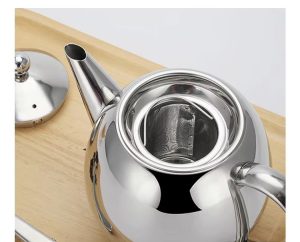
Learn the differences between 304 and 201 stainless steel teapots. Discover which material is best for different markets, retail programs, hotels, and wholesale buyers.
304 vs 201 Stainless Steel Teapots: Which Is Better for Different Markets?
Choosing the right material is one of the most important decisions when sourcing stainless steel teapots for wholesale or retail. While both 304 and 201 stainless steel are widely used in kitchenware manufacturing, they serve different purposes and are suitable for different markets.
For importers, distributors, retailers, and private label brands, understanding these differences helps balance product quality, target price, and market expectations.
In this guide, we’ll compare 304 and 201 stainless steel teapots from a wholesale buyer’s perspective and explain which option is best for your business.
Why Stainless Steel Teapots Remain Popular Worldwide
Unlike ceramic or glass teapots, stainless steel teapots are durable, lightweight, and resistant to breakage. They are widely used in homes, hotels, restaurants, tea shops, cafés, and hospitality businesses.
Modern consumers also appreciate stainless steel because it offers:
- Excellent durability
- Easy cleaning
- Long service life
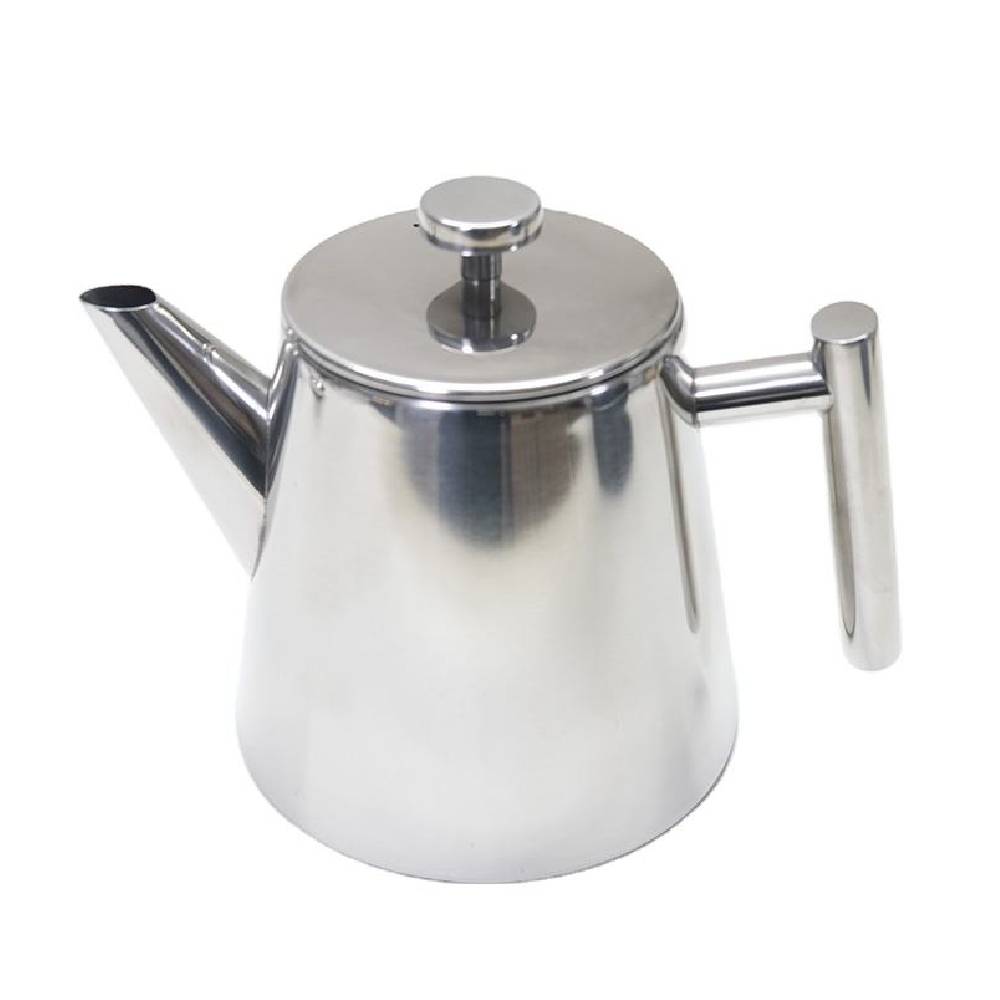
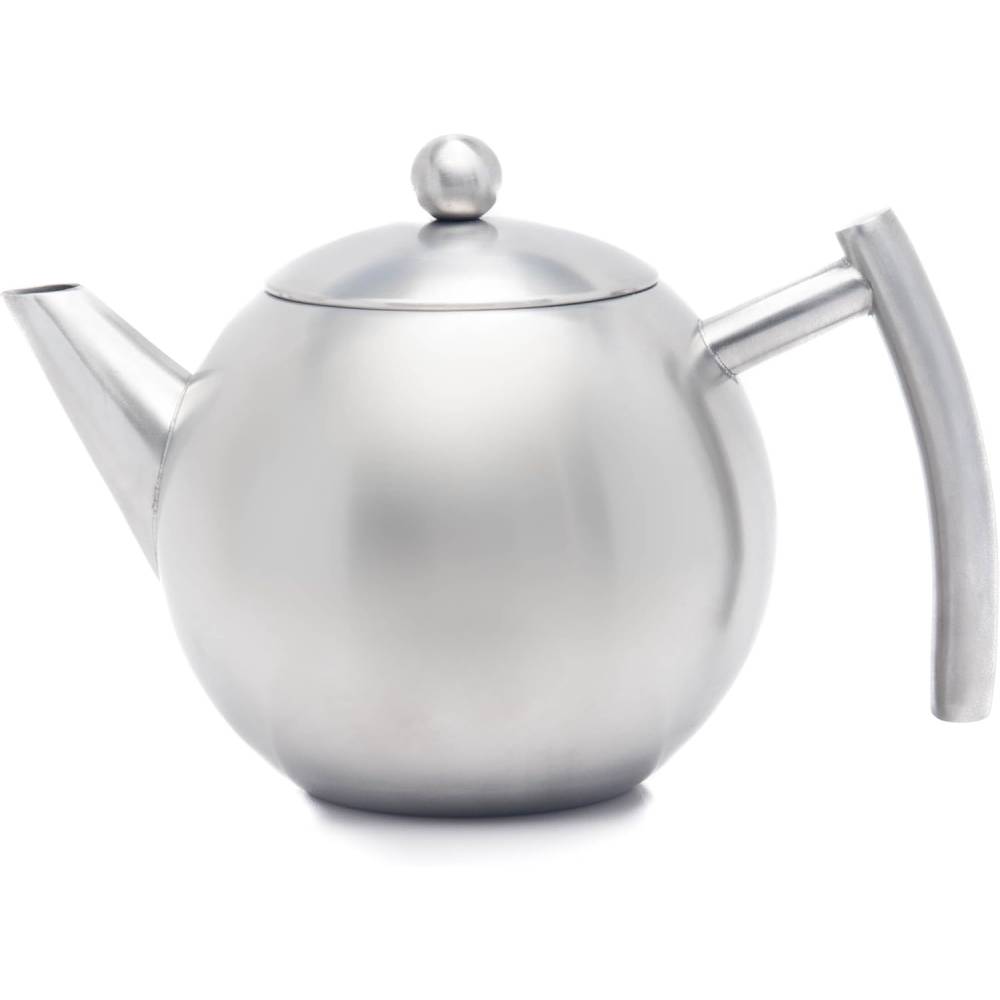
- Elegant mirror-polished appearance
- Reusable tea infuser compatibility
- Better resistance to daily use
As loose-leaf tea continues to grow in popularity across Europe, North America, and Oceania, stainless steel teapots remain an attractive option for both consumers and commercial buyers.
 What Is 304 Stainless Steel?
304 stainless steel is considered the premium material for food-contact kitchenware.
Typical composition includes:
- Approximately 18% Chromium
- Approximately 8% Nickel
This combination provides excellent corrosion resistance and makes the material highly suitable for long-term contact with water, tea, coffee, and acidic beverages.
Advantages include:
- Superior corrosion resistance
- Food-grade safety
- Excellent rust resistance
- Premium appearance
- Long product lifespan
- Suitable for dishwasher use
Because of these characteristics, 304 stainless steel is widely preferred in developed markets.
Typical applications include:
- Premium tea brands
- Specialty tea stores
- Hotels
- Boutique retailers
- Department stores
- Private label kitchenware brands
What Is 201 Stainless Steel?
201 stainless steel contains less nickel than 304, making it a more economical material.
Although its corrosion resistance is lower than 304, it still performs well for many household applications when properly manufactured and maintained.
Advantages include:
- Lower production cost
- Competitive wholesale pricing
- Attractive polished finish
- Good structural strength
- Suitable for everyday household use
For many value-oriented retail markets, 201 stainless steel provides an excellent balance between affordability and appearance.
 304 vs 201 Stainless Steel Teapots
| Feature | 304 Stainless Steel | 201 Stainless Steel |
|---|---|---|
| Food Contact Safety | Excellent | Good |
| Corrosion Resistance | Excellent | Moderate |
| Rust Resistance | Excellent | Good with proper care |
| Appearance | Premium | Premium |
| Durability | Excellent | Good |
| Cost | Higher | Lower |
| Suitable for Premium Brands | ✔ | Limited |
| Suitable for Budget Retail | Good | Excellent |
Which Material Is Better for Different Markets?
Instead of asking which material is “better,” wholesale buyers should ask which material is more suitable for their target customers.
United Kingdom
Recommended Material: 304 Stainless Steel
British consumers have a long tradition of drinking tea, and many retailers focus on premium kitchenware collections. Buyers generally prefer food-grade materials with long-term durability.
Germany
Recommended Material: 304 Stainless Steel
German consumers pay close attention to product quality and material specifications. Retailers often highlight food-grade stainless steel and dishwasher-safe features.
Australia
Recommended Material: 304 or 201
Australia has both premium and value-oriented retail channels.
Premium homeware brands usually select 304 stainless steel, while promotional retail programs and supermarkets may choose 201 stainless steel to achieve a more competitive retail price.
North America
Recommended Material: 304 Stainless Steel
Consumers increasingly purchase loose-leaf tea accessories, making premium materials more attractive for private label brands.
South America
Recommended Material: 201 Stainless Steel
Many importers focus on price-sensitive product lines where attractive appearance and competitive pricing are key purchasing factors.
How Wholesale Buyers Choose Between 304 and 201
Professional buyers rarely choose a material based on price alone.
Instead, they consider:
Target Retail Price
A lower retail price usually requires tighter manufacturing costs, making 201 stainless steel an excellent option.
Customer Positioning
Luxury brands expect premium materials.
Discount retailers prioritize value.
Product Lifetime
Hotels, restaurants, and commercial users often prefer 304 because of its higher durability under frequent use.
Local Market Expectations
Some countries strongly promote food-grade specifications, while others are more price-driven.
Selecting the right material should always match the expectations of your target market.
 Can 201 Stainless Steel Still Be a Good Choice?
Absolutely.
Many successful retail programs use 201 stainless steel products.
When manufactured correctly with quality polishing and proper quality control, a 201 stainless steel teapot can deliver:
- Attractive appearance
- Reliable daily performance
- Competitive wholesale pricing
- Excellent value for mass-market retailers
For supermarkets, promotional programs, and online marketplaces, 201 stainless steel often offers the best balance between cost and functionality.
OEM & Private Label Options
Whether choosing 304 or 201 stainless steel, experienced manufacturers can provide comprehensive OEM and ODM services, including:
- Custom capacities
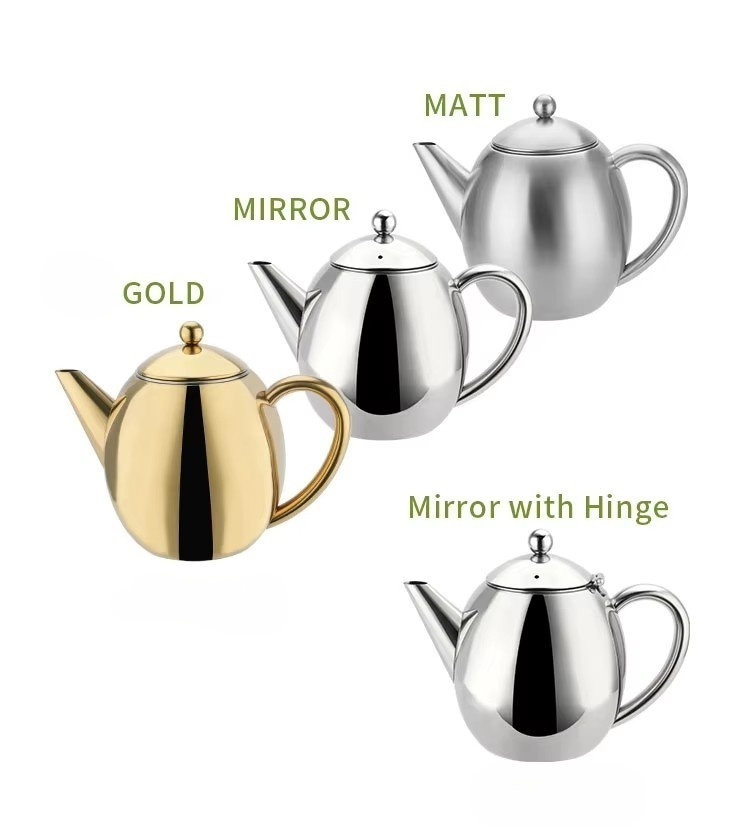
- Mirror polish or satin finish
- Laser logo
- Color coating
- Customized packaging
- Gift box design
- Barcode labeling
- Private label branding
Working with one manufacturer for multiple kitchenware categories can also simplify sourcing and reduce purchasing costs.
Why Work with an Experienced Stainless Steel Teapot Manufacturer?
Choosing the right manufacturing partner is just as important as selecting the right material.
An experienced manufacturer can help you:
- Recommend the best material for your target market
- Optimize production costs
- Maintain consistent product quality
- Support OEM and private label projects
- Meet international quality requirements
- Deliver stable lead times for repeat orders
Rather than offering only one solution, a professional supplier should provide flexible options that match different market needs and customer budgets.
Frequently Asked Questions
Is 304 stainless steel always better than 201?
Not necessarily. 304 offers better corrosion resistance, while 201 provides a more economical solution for many retail programs.
Can 201 stainless steel be used for tea?
Yes. High-quality 201 stainless steel teapots are widely used for household tea preparation and are suitable for many consumer markets.
Which material do hotels usually prefer?
Hotels and commercial hospitality businesses often choose 304 stainless steel because of its durability and long service life.
Which material is better for supermarkets?
Many supermarket programs choose 201 stainless steel to achieve competitive pricing while maintaining an attractive appearance.
Can both materials be customized?
Yes. Both 304 and 201 stainless steel teapots can be customized with logos, packaging, finishes, colors, and private label branding.
Conclusion
Both 304 and 201 stainless steel have their own advantages.
If your target customers value premium quality, food-grade materials, and long-term durability, 304 stainless steel is an excellent choice.
If your business focuses on competitive pricing, promotional retail programs, or high-volume wholesale orders, 201 stainless steel can provide outstanding value without sacrificing appearance.
The best material is not simply the most expensive one—it is the one that best fits your market, customer expectations, and product positioning.
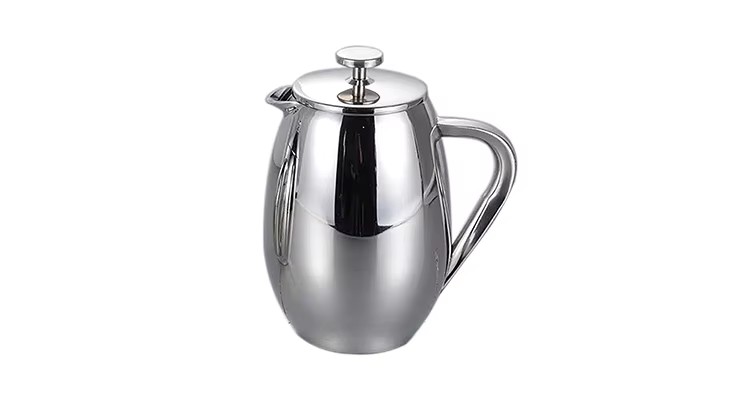
At Yesheng, we manufacture both 304 and 201 stainless steel teapots for wholesale customers worldwide. We provide OEM and ODM services for retailers, importers, supermarkets, hotels, and private label brands. In addition to stainless steel teapots, our product range also includes French presses, coffee pots, whistling kettles, mixing bowls, compost bins, pedal bins, ice buckets, and other stainless steel kitchenware.
If you are looking for a reliable stainless steel teapot manufacturer in China, welcome to visit www.jmyesheng.com or contact our team for product catalogs, quotations, and customization solutions.