
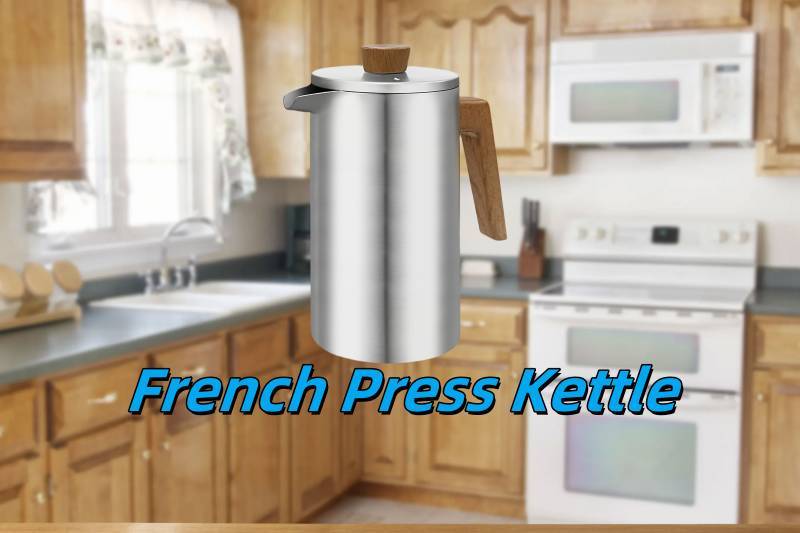
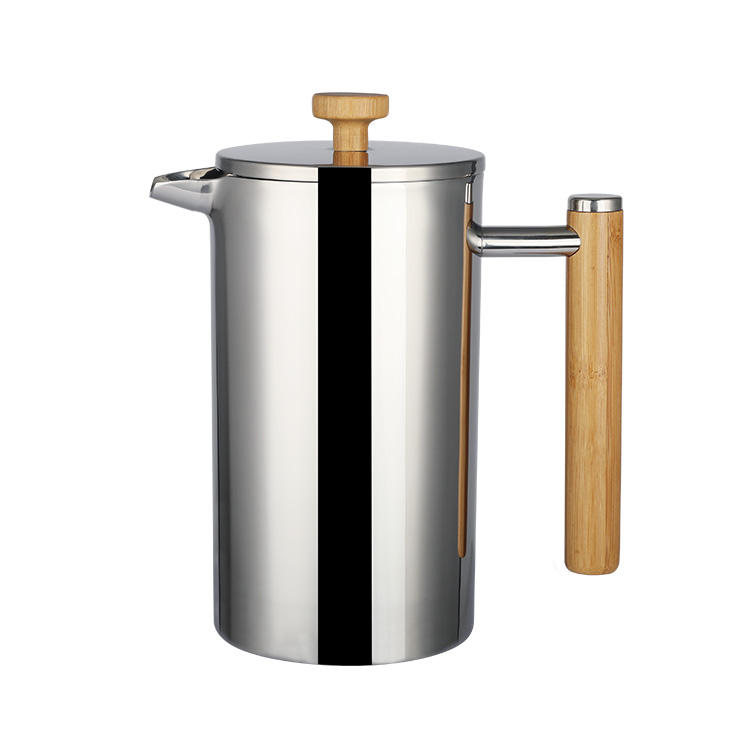
Stainless steel French press coffee makers are becoming the preferred brewing solution for coffee brands, wholesalers, retailers, and distributors worldwide. Compared with traditional glass French presses, they offer superior durability, excellent heat retention, modern aesthetics, and longer service life. Whether for home use, cafés, offices, hotels, or outdoor adventures, a stainless steel French press delivers reliable performance while creating new business opportunities for private label brands and wholesale buyers.
Why Are More Wholesale Buyers Choosing Stainless Steel French Press Coffee Makers?
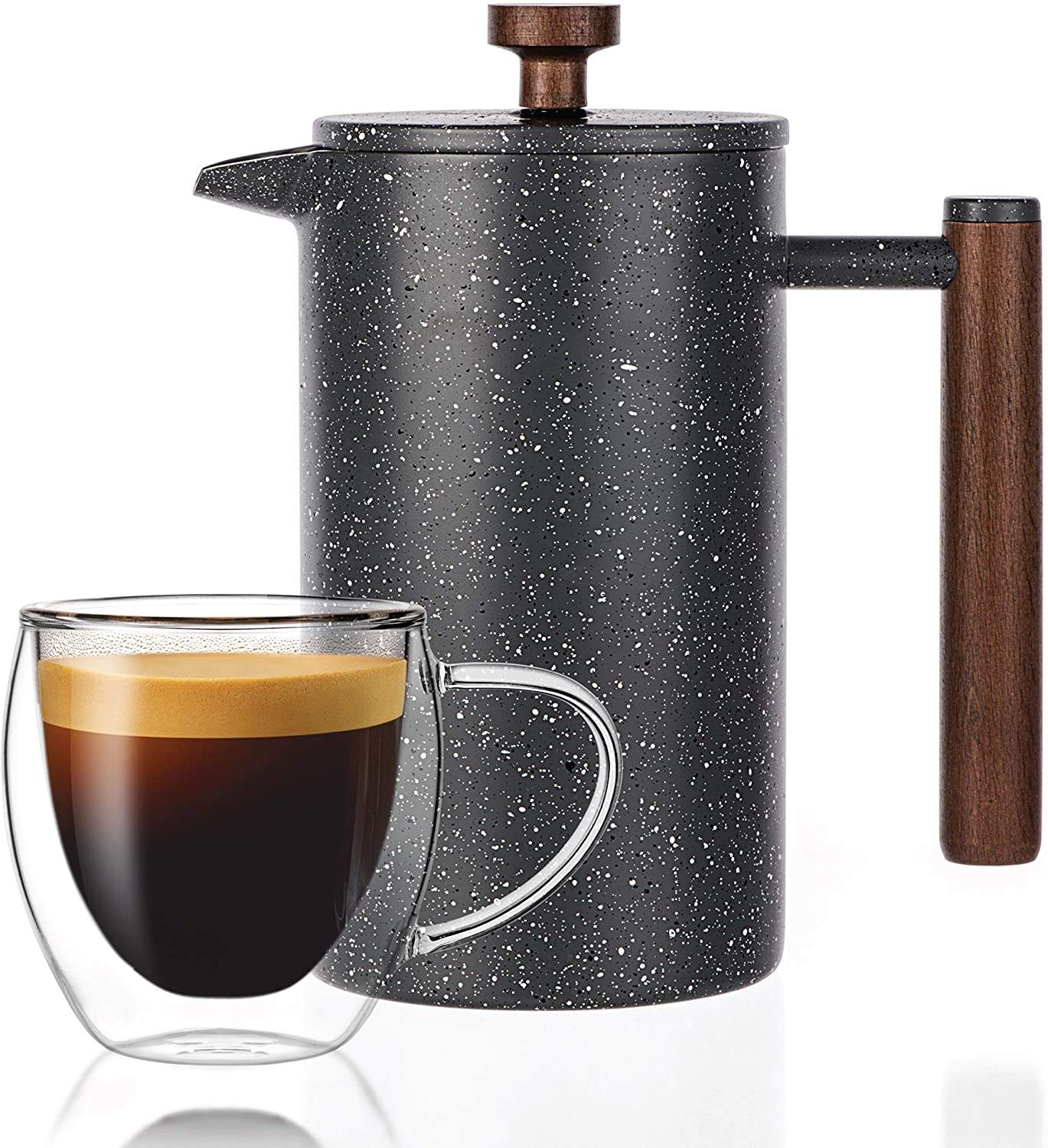
If you’re sourcing coffee accessories for your brand, you have probably experienced some common challenges.
Glass French press coffee makers are attractive, but they are also fragile. They can easily break during international shipping, warehouse handling, or daily use. This often results in customer complaints, product returns, and additional replacement costs.
Today’s consumers also expect products that last longer, retain heat better, and require less maintenance.
That’s why more importers, retailers, supermarkets, and coffee brands are replacing traditional glass coffee presses with stainless steel French press coffee makers.
For wholesale buyers, this means fewer after-sales issues, higher customer satisfaction, and stronger market competitiveness.
What Makes a Stainless Steel French Press Better Than Glass?
Outstanding Durability
Unlike glass models, a stainless steel French press is designed for everyday use without worrying about accidental breakage. Whether used in busy cafés, office kitchens, hotels, or outdoor camping trips, stainless steel construction provides exceptional strength and long-term reliability.
For wholesalers, a more durable product also means fewer damaged goods during transportation and lower warranty costs.
Excellent Heat Retention
One of the biggest advantages of stainless steel is insulation.
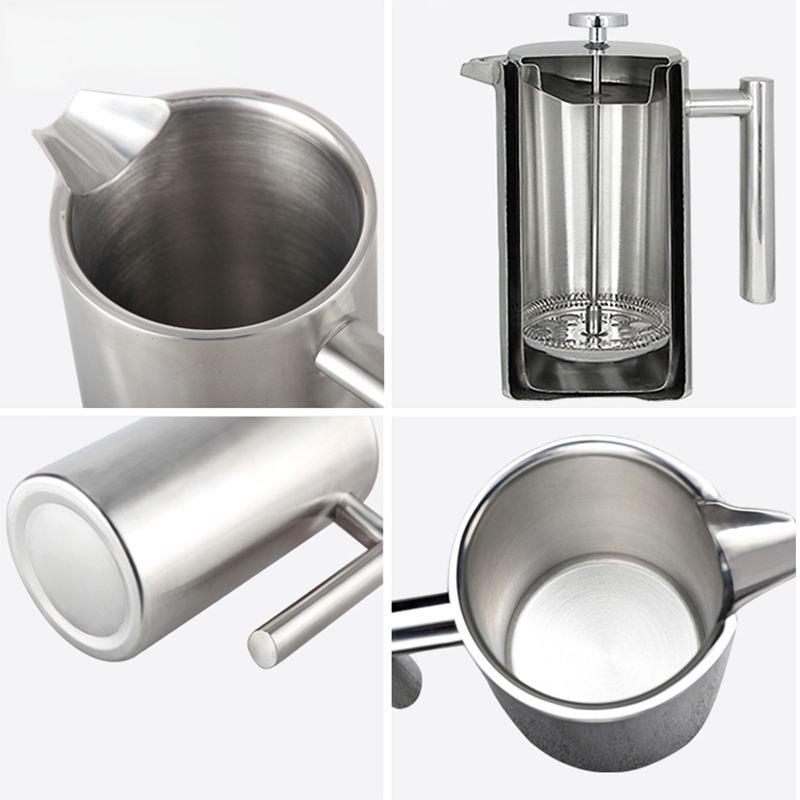
Double-wall construction helps coffee stay hot significantly longer than single-wall glass models while keeping the exterior comfortable to hold.
Customers enjoy a better drinking experience, while premium insulation adds greater product value.
Premium Food-Grade Materials
Quality starts with materials.
A professional stainless steel French press should be manufactured using food-grade 304 stainless steel, offering excellent corrosion resistance, durability, and food safety.
Compared with plastic components, stainless steel creates a premium appearance that aligns with modern kitchen trends and consumer expectations.
Easy Cleaning for Everyday Use
Convenience is another important purchasing factor.
A removable plunger and filter assembly make cleaning fast and simple after every use. Stainless steel surfaces are easy to maintain and suitable for frequent daily brewing.
For busy families, cafés, and offices, easy maintenance is a valuable selling point.
Applications Across Multiple Industries
A stainless steel French press coffee maker is much more than a household coffee accessory.
Today it is widely used in:
- Home kitchens
- Specialty coffee shops
- Hotels and resorts
- Office coffee stations
- Camping and outdoor activities
- Corporate gift programs
- Kitchenware retail chains
- Online marketplaces
Its combination of elegant appearance and practical durability makes it suitable for both consumer and commercial markets.
 Why Coffee Brands Prefer Stainless Steel French Press for Private Label Projects
Private label coffee accessories continue to grow in popularity.
Consumers no longer purchase products based only on price—they also care about quality, appearance, sustainability, and brand identity.
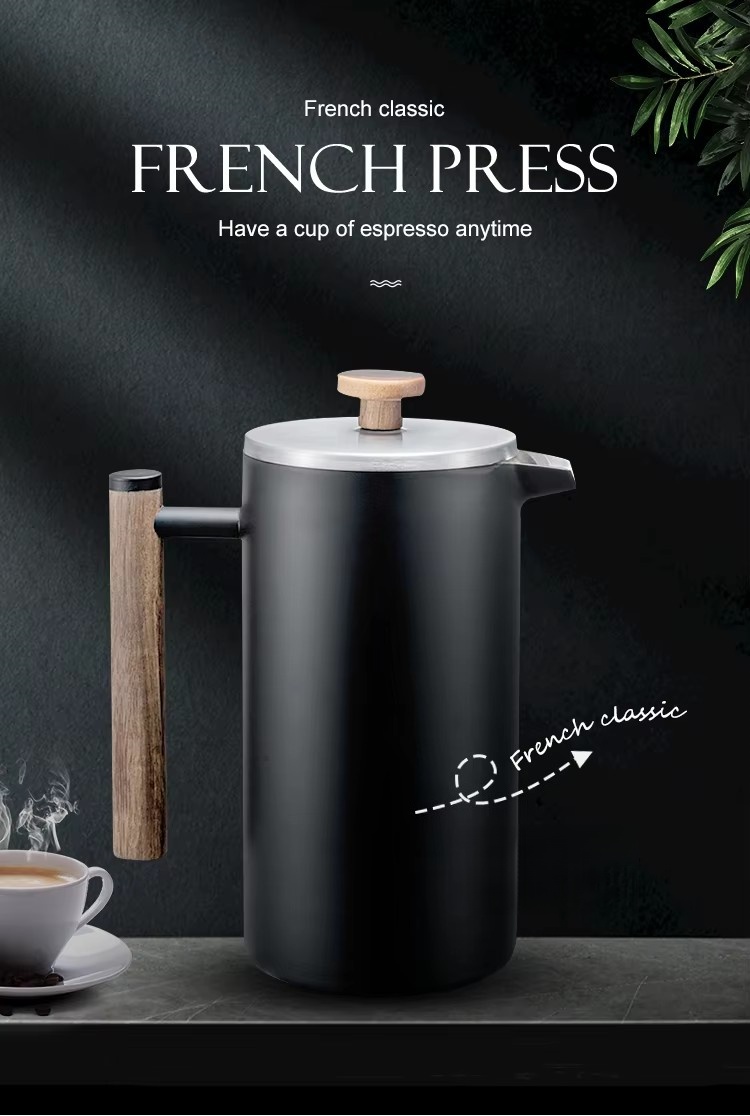
For this reason, many brands are choosing customizable stainless steel French press coffee makers that can be tailored with:
- Laser engraved logos
- Custom powder coating colors
- Matte or mirror finishes
- Exclusive gift box packaging
- Customized capacities
- Branded instruction manuals
Private label products help businesses build stronger customer loyalty while increasing profit margins.
 How to Choose the Right Stainless Steel French Press Manufacturer
Choosing the right manufacturer is just as important as choosing the product itself.
Before placing a wholesale order, buyers should evaluate several key factors:
Manufacturing Experience
An experienced manufacturer understands product design, production efficiency, and international quality requirements.
OEM & ODM Capability
Can the supplier customize your logo, packaging, colors, and product design?
Production Capacity
Can they deliver large orders on schedule during peak seasons?
Quality Control
Does every production process include inspections before shipment?
Export Experience
Does the manufacturer understand international shipping, packaging, and documentation?
Reliable manufacturing partners reduce sourcing risks while improving long-term business success.
 Why Choose Yesheng as Your Stainless Steel French Press Manufacturer?
Yesheng specializes in manufacturing stainless steel kitchenware for global wholesale customers.
We work with:
- Importers
- Distributors
- Supermarkets
- Kitchenware Brands
- Promotional Companies
- Amazon Sellers
- Retail Chains
Our manufacturing advantages include:
✔ OEM & ODM Services
✔ Food-Grade Stainless Steel Materials
✔ Custom Logo & Packaging
✔ Stable Production Capacity
✔ Strict Quality Inspection
✔ Professional Export Support
✔ Competitive Factory Pricing
✔ Reliable Delivery
Whether you’re launching a new coffee brand or expanding an existing product line, our team supports your project from concept to mass production.
Looking Beyond Coffee: Complete Coffeeware Manufacturing Solutions
Many buyers prefer sourcing multiple coffee accessories from one reliable supplier.
In addition to Stainless Steel French Press Coffee Makers, Yesheng also manufactures:
- Stainless Steel Coffee Pots
- Coffee Canisters
- Gooseneck Kettles
- Tea Kettles
- Mixing Bowls
- Kitchen Storage Products
By consolidating sourcing with one manufacturer, customers can simplify purchasing, improve quality consistency, and reduce logistics costs.
👉 Browse Our Complete Coffeeware Collection
(Add your Coffee Collection page link here.)
Frequently Asked Questions
Do you provide OEM and ODM services?
Yes. We offer complete OEM and ODM manufacturing, including logo customization, packaging design, colors, surface finishes, and private label solutions.
What stainless steel material do you use?
We primarily manufacture our French press coffee makers using premium food-grade 304 stainless steel for excellent durability and corrosion resistance.
Can I customize the packaging?
Absolutely. We support customized retail boxes, gift packaging, instruction manuals, barcode labels, and shipping cartons.
What is your MOQ?
MOQ depends on the product model and customization requirements. Please contact our sales team for detailed information.
Can I request samples?
Yes. Samples are available before bulk production so customers can evaluate product quality and workmanship.
What markets do you serve?
Our products are exported to North America, Europe, Australia, and many other international markets.
Ready to Build Your Coffee Brand?
Choosing the right Stainless Steel French Press Manufacturer is about more than finding a supplier—it’s about building a long-term partnership.
At Yesheng, we combine manufacturing expertise, OEM & ODM capabilities, strict quality control, and reliable production capacity to help wholesalers, distributors, retailers, and coffee brands succeed in competitive markets.
Whether you’re developing a new private label collection or expanding your existing coffeeware range, our experienced team is ready to support your business with customized solutions and dependable service.