Why Unplanned French Press Lead Times Can Disrupt a Launch
For buyers of custom stainless steel French presses, an unclear production schedule can create more than a late shipment. Artwork approval may stall production, new tooling may extend preparation, and insufficient inspection or shipping buffers can push products beyond a planned selling season. For a Wholesaler, importer, or retailer, these delays can affect inventory planning and customer commitments. A clear lead-time plan helps a Supplier and buyer coordinate each stage before production begins.
The best way to plan custom stainless steel French press lead time is to separate tooling, artwork approval, raw-material preparation, production, inspection, and shipment into clear stages. Yesheng, an experienced stainless steel Manufacturer, can coordinate production and export processes through its own import and export company.
1. Existing Model Versus New Tooling
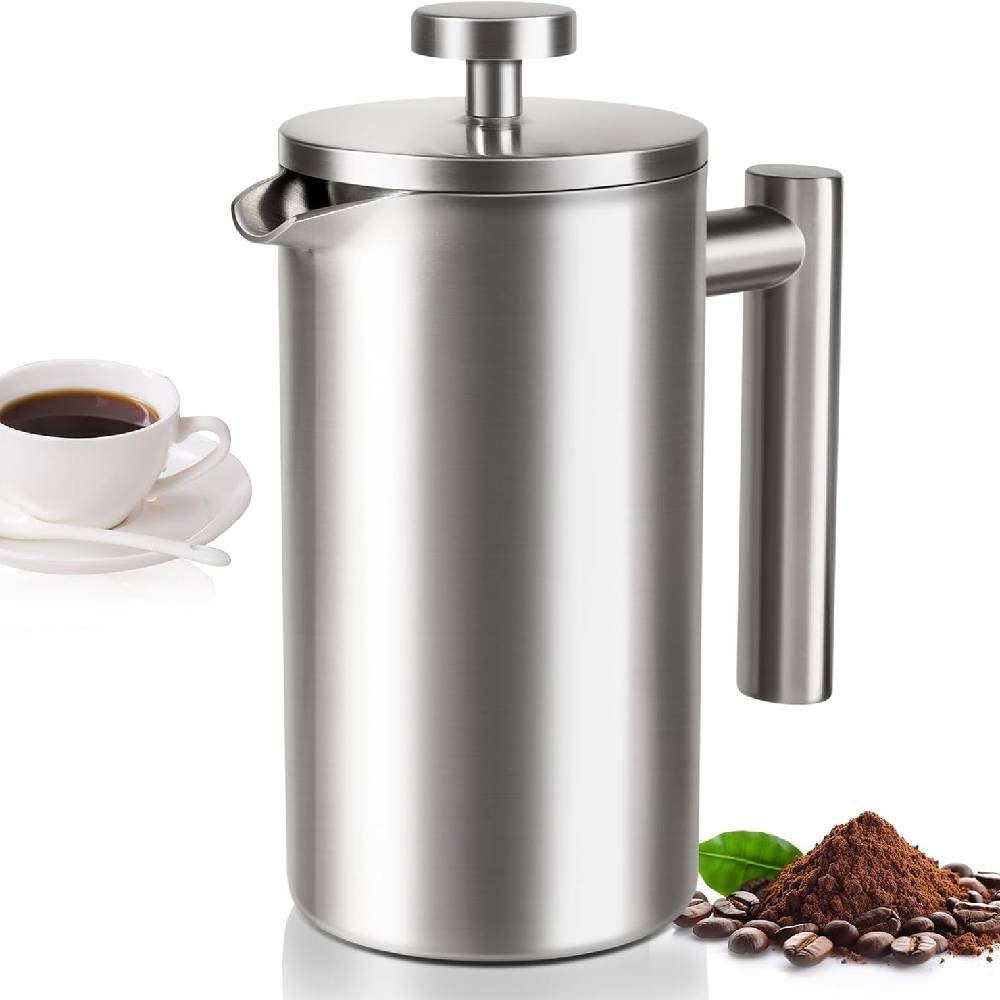
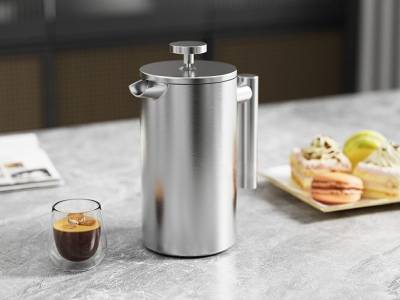
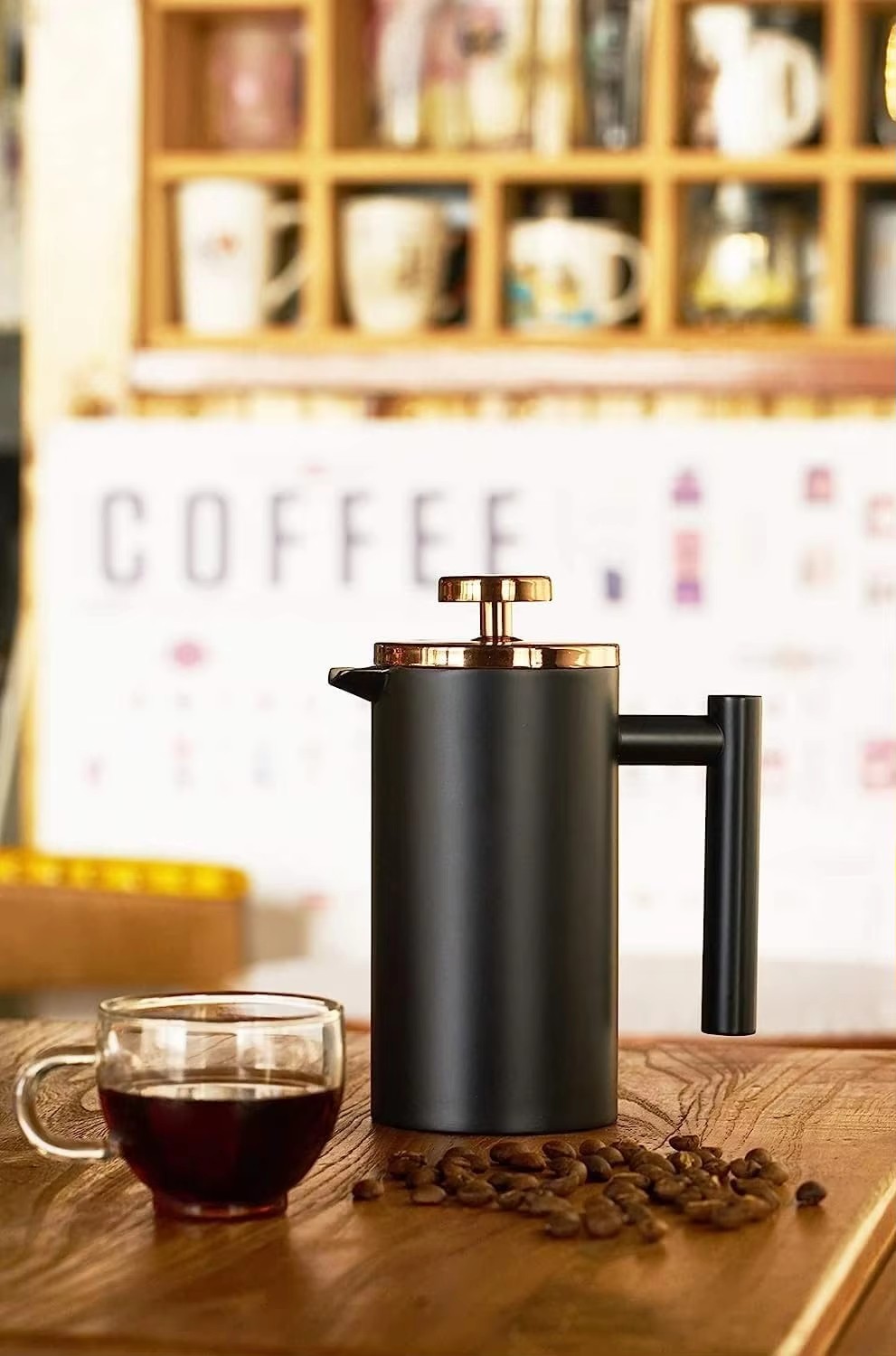
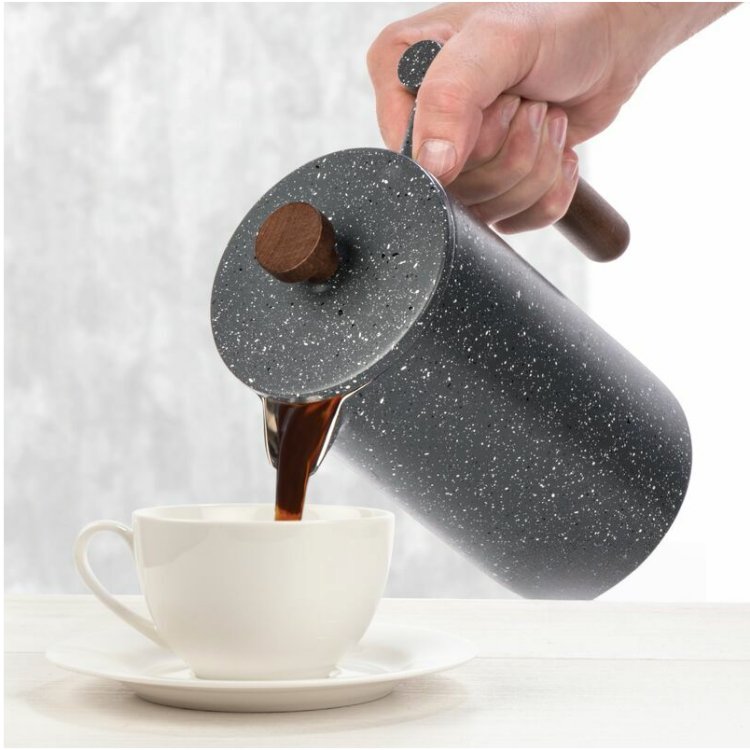
The first lead-time decision is whether the project uses an existing French press model or requires new tooling. Yesheng offers a stainless steel French press made from 304 grade stainless steel, with an insulated design, detachable filter and plunger, and a cool-touch ergonomic handle. These established product features can simplify the planning process when they match the buyer’s requirements.
Existing Model
An existing model generally requires fewer development steps. Buyers can focus on specifications, logo application, packaging, quantity, and delivery requirements.
- Confirm capacity, dimensions, material, finish, and components.
- Confirm whether the existing structure meets the target market requirements.
- Provide logo artwork and packaging requirements.
- Approve samples or production references before bulk production.
New Tooling
A new structure requires additional coordination. The factory information shows that Yesheng has a dedicated CNC machine for mold making, supporting different customer requirements. This capability can be incorporated into a broader production plan, but tooling development should still be treated as a separate stage rather than included casually in the bulk-production schedule.
| Project Type | Main Lead-Time Considerations | Buyer Preparation |
|---|---|---|
| Existing model | Specification, artwork, packaging, production, inspection, shipment | Confirm specifications and submit artwork early |
| New tooling | Tooling development plus all standard production stages | Confirm drawings, dimensions, materials, and approval process |
2. Artwork and Packaging Approval Time
Custom orders often involve more than the product itself. A buyer may need a logo, retail packaging, labels, inserts, cartons, or other presentation requirements. These details should be approved before the production schedule is treated as fixed.
 What Should Be Confirmed?
- Logo position, size, color, and application method.
- Packaging dimensions and material.
- Product name, specifications, and required markings.
- Carton quantity and shipping marks.
- Final artwork files and approval responsibility.
For an OEM or ODM project, artwork approval can involve several parties, especially when the buyer has an internal design or marketing team. Setting a specific approval deadline helps prevent packaging preparation from becoming an unexpected production delay.
3. Raw-Material and Production Scheduling
After specifications and artwork are confirmed, the production schedule should consider raw materials, equipment availability, order quantity, and manufacturing processes. Yesheng has a hardware workshop equipped with 19 hydraulic presses, 26 punching machines, 4 welding machines, 3 cutting machines, 2 die-casting machines, and 2 rolling machines. According to the factory information, this equipment can handle orders exceeding 100,000 pieces.
Build the Schedule in Production Stages
- Confirm the final product specification and order quantity.
- Review material and component requirements.
- Check production equipment and scheduling requirements.
- Arrange manufacturing according to the approved production plan.
- Complete inspection before preparing the goods for shipment.
This approach is particularly useful for a Wholesaler or large-company buyer who needs to coordinate inventory arrival with promotions, seasonal sales, or distribution schedules. Instead of asking only for a single delivery date, buyers can request a stage-based production plan from the Manufacturer or Supplier.
4. Inspection and Shipment Buffers
Production completion should not automatically be treated as the final delivery date. Inspection, packing, export preparation, and transportation require their own planning space. Yesheng established its own import and export company in 2023 and has independent export rights, providing a process covering production through export.
 Allow Time for Quality Control
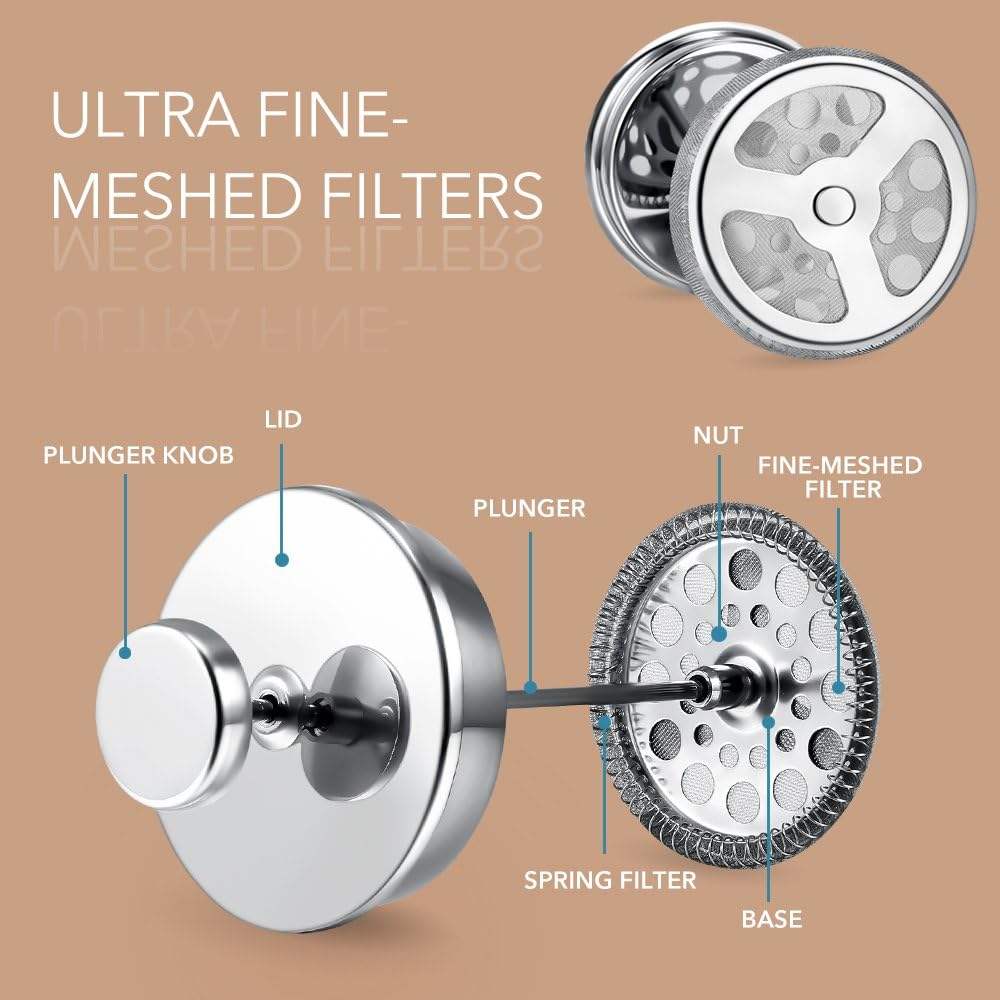
Quality is particularly important for stainless steel kitchenware because buyers need consistency across bulk quantities. The French press uses 304 grade stainless steel and includes functional components such as the filter and plunger. Before shipment, buyers can define the inspection points that matter most to their market.
- Material and surface finish.
- Product dimensions and appearance.
- Handle and lid assembly.
- Filter and plunger function.
- Packaging condition and carton quantity.
Plan the Shipment Separately
A practical lead-time plan should distinguish factory completion from the date the goods are expected to arrive. Transportation schedules can vary, so buyers should communicate the destination, preferred shipping method, required arrival date, and any seasonal deadline as early as possible.
| Planning Stage | Key Question | Potential Impact on Schedule |
|---|---|---|
| Product confirmation | Is the model or tooling finalized? | Determines development requirements |
| Artwork approval | Are logo and packaging files approved? | Affects packaging preparation |
| Production | Are materials and equipment scheduled? | Determines manufacturing timing |
| Inspection | Are quality requirements defined? | Creates a final quality-control stage |
| Shipment | What is the destination and required arrival date? | Determines logistics planning |
5. Information That Shortens Quotation Time
A complete inquiry allows a Supplier to evaluate the project more efficiently. For a Customizable French press, buyers should provide as much of the following information as possible when requesting a quotation.
- Target product model or reference product.
- Required capacity and dimensions.
- Material requirements, such as 304 stainless steel.
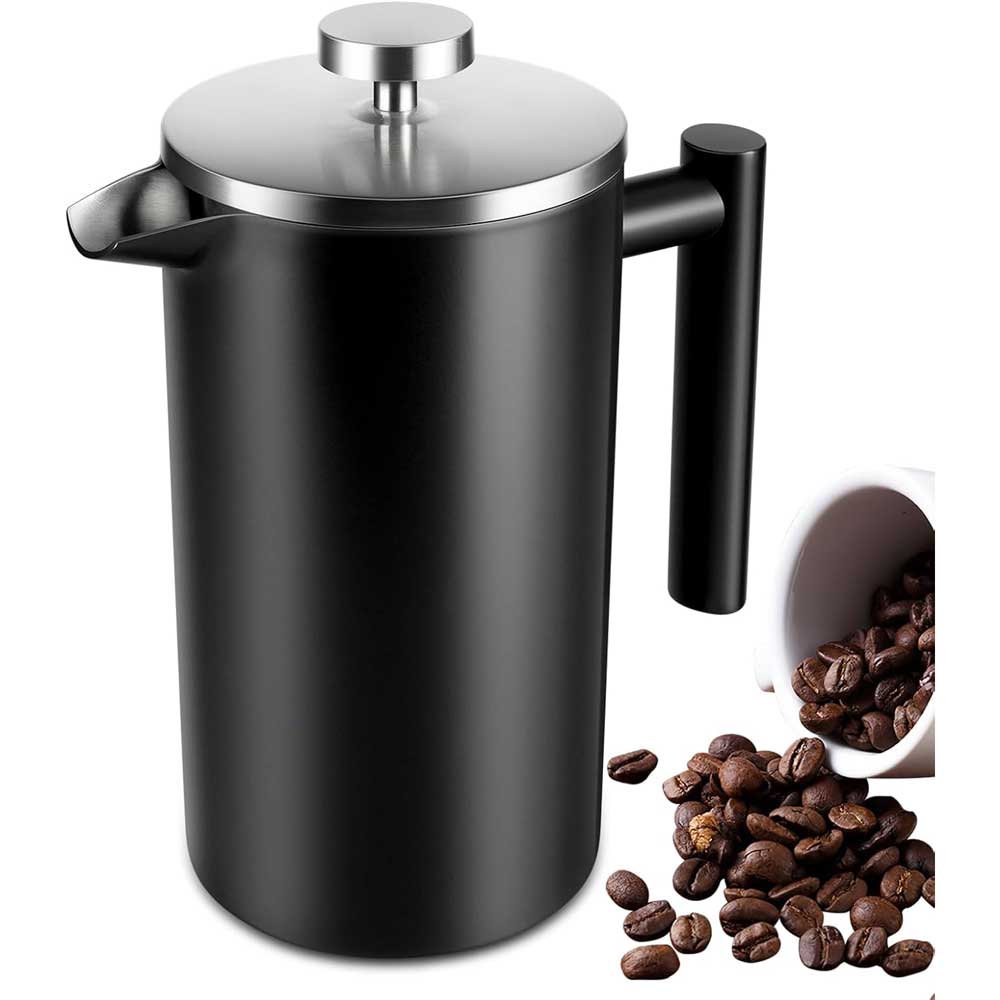
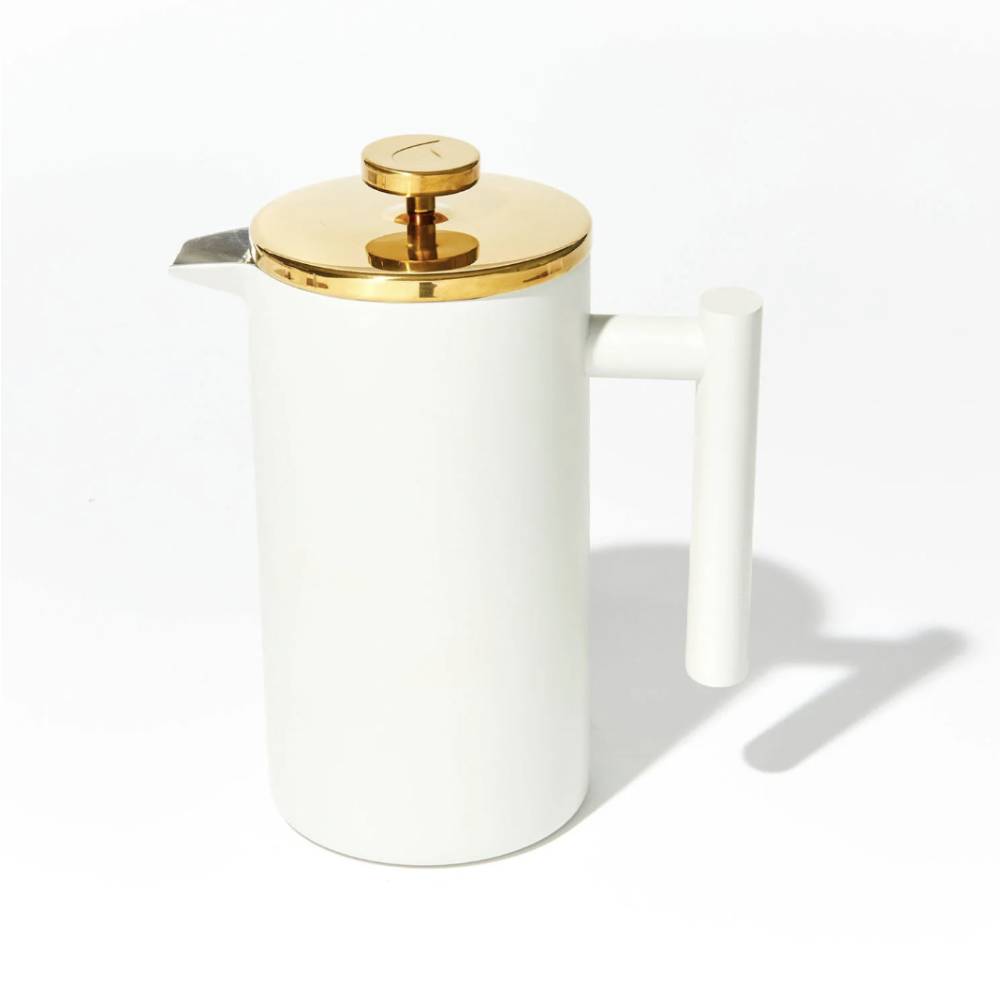
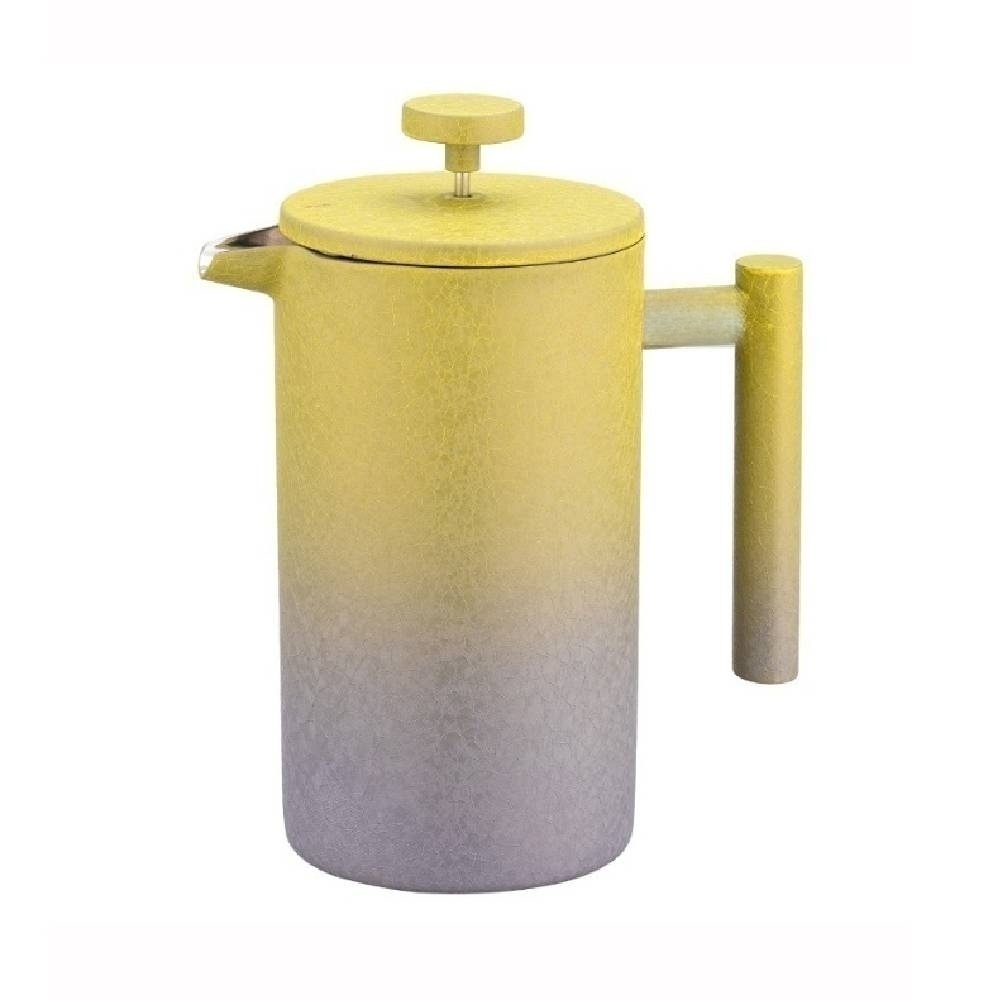
- Surface finish and color requirements.
- Logo and customization requirements.
- OEM or ODM development requirements, if applicable.
- Estimated order quantity.
- Packaging requirements.
- Destination country and port or delivery location.
- Target delivery date or sales season.
Why Complete Information Matters
When these details are available at the quotation stage, the Manufacturer can evaluate the project more clearly and create a production plan around actual requirements rather than assumptions. This is especially useful for importers and large buyers comparing different suppliers on both price and delivery capability.
6. A Practical Lead-Time Planning Checklist
Before confirming a purchase order for a custom stainless steel French press, buyers can use the following checklist:
- Product structure confirmed.
- Tooling requirement confirmed.
- Material specification confirmed.
- Logo artwork approved.
- Packaging artwork approved.
- Order quantity confirmed.
- Production schedule reviewed.
- Inspection requirements agreed.
- Shipping destination confirmed.
- Delivery buffer included in the overall plan.
For Yesheng, this planning approach fits its existing stainless steel product manufacturing and export structure. Its product range includes French press kettles, canisters, bag savers, compost bins, salad bowls, and other stainless steel household products, allowing buyers to discuss broader sourcing needs within the same production and export system.
Conclusion: Plan the Lead Time Before Confirming the Order
A reliable custom stainless steel French press lead time starts with complete specifications and continues through tooling, approval, production, inspection, and shipment. Buyers can send their requirements to Yesheng for product selection, customization, and quotation planning based on their target quantity and delivery schedule.