
Why Incoming Inspection Can Prevent Costly Stainless Steel Tea Kettle Problems
A stainless steel tea kettle can look acceptable during a quick visual check while still having problems with material, dimensions, finishing, function, or packaging. For a Wholesaler, these issues may lead to customer complaints, returns, and avoidable logistics costs. A structured stainless steel tea kettle quality inspection helps buyers identify risks before inventory enters the market. For OEM and ODM orders, inspection is even more important because Customizable specifications must match the approved sample and purchasing requirements.
The best stainless steel tea kettle quality inspection checks material, thickness, dimensions, function, surface finish, packaging, and documented acceptance criteria. Yesheng is a stainless steel product Manufacturer and Supplier with established hardware production capabilities, supporting inspection planning for standard and Customizable OEM or ODM projects.
Material and Thickness Verification
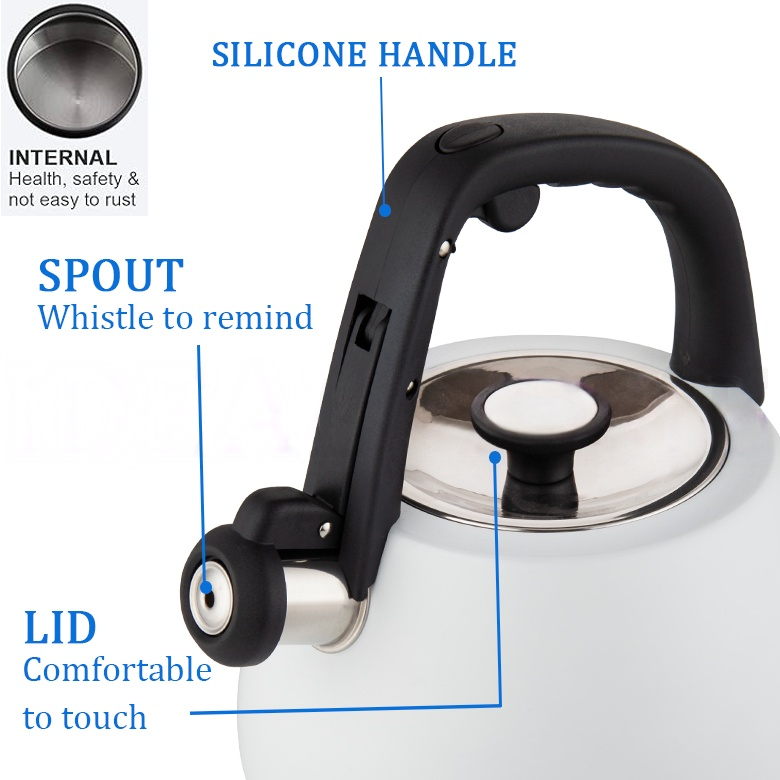
Material verification should be one of the first checkpoints in an incoming inspection because stainless steel grade and material consistency directly affect product quality. Buyers should compare the delivered goods with the material specification agreed in the purchase order, approved sample, or technical drawing.
The available Yesheng product information specifically identifies 304 grade stainless steel for its stainless steel French press coffee maker. The factory also identifies stainless steel French press kettle among its stainless steel kitchenware products. For other tea kettle configurations, the exact material grade should therefore be confirmed against the approved product specification rather than assumed. :contentReference[oaicite:0]{index=0} :contentReference[oaicite:1]{index=1}
Material Inspection Checklist

- Confirm the stainless steel grade against the approved specification.
- Check material documentation when required by the purchasing agreement.
- Verify that the delivered product matches the approved sample.
- Check material thickness at defined inspection points when thickness is a critical specification.
- Record any material or thickness deviation for supplier review.
| Inspection Item | What to Verify | Reference |
|---|---|---|
| Material grade | Actual material matches the approved specification | Purchase order or technical specification |
| Thickness | Measured value matches the agreed requirement | Drawing or approved sample |
| Material appearance | Consistent stainless steel appearance without obvious abnormality | Approved sample |
| Documentation | Required material records are available | Buyer requirement |
Dimensions and Functional Checks
Dimensional accuracy affects how a kettle looks, fits, packs, and performs. Incoming inspection should therefore compare critical dimensions with the approved drawing or sample instead of relying only on visual judgment.
Key Dimensions to Check
- Overall height and diameter
- Body dimensions
- Lid fit and alignment
- Handle position and attachment
- Spout dimensions and alignment
- Base dimensions and stability
- Packaging dimensions where they affect shipment
For products with Customizable OEM or ODM specifications, the approved drawing should become the primary inspection reference. If no formal drawing exists, the approved golden sample should be clearly identified before mass production.
Functional Inspection
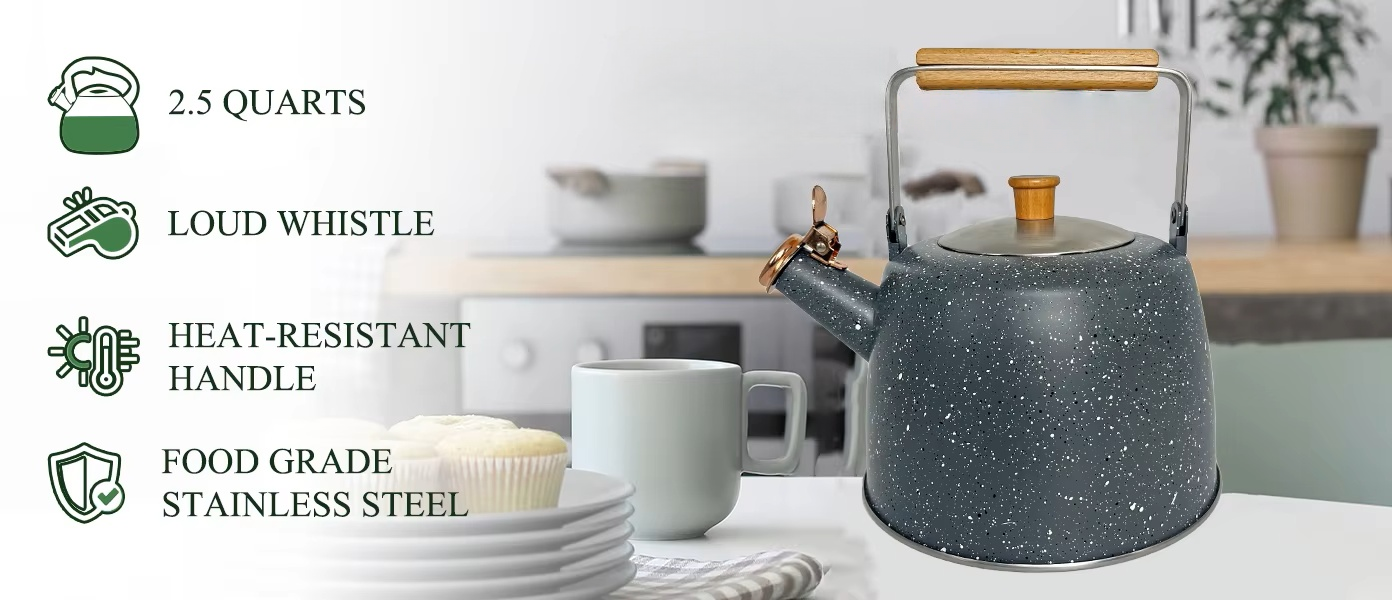
Dimensional inspection should be combined with practical functional checks. Depending on the product structure, buyers can evaluate whether the lid fits correctly, the handle remains secure, the spout supports controlled pouring, and the product remains stable on a flat surface.
- Compare the product with the approved sample.
- Measure the defined critical dimensions.
- Check lid fit and movement.
- Check handle attachment and overall stability.
- Check spout alignment and pouring behavior where applicable.
- Record any functional failure separately from cosmetic defects.
The documented Yesheng French press model includes a cool-touch ergonomic handle, an insulated design, and a detachable filter and plunger. These are examples of functional features that should be checked against the approved specification when inspecting the corresponding product configuration. :contentReference[oaicite:2]{index=2}
Surface-Defect Acceptance Criteria
Surface inspection is particularly important for stainless steel kitchenware because appearance directly affects retail presentation. A product may be structurally functional but still fail a buyer’s quality requirements because of scratches, dents, inconsistent finishing, welding marks, stains, or other visible defects.
Common Surface Checkpoints
- Scratches and visible abrasions
- Dents or deformation
- Uneven surface finishing
- Visible welding defects
- Sharp edges or unfinished areas
- Stains or contamination
- Inconsistent appearance between production lots
The acceptance standard should be established before inspection. Buyers should define which defects are critical, major, or minor according to their product requirements rather than allowing different inspectors to make subjective decisions.
| Defect Category | Examples | Inspection Action |
|---|---|---|
| Critical | Safety-related or unusable condition | Reject or escalate immediately |
| Major | Functional failure or clearly unacceptable visible defect | Record and evaluate against agreed acceptance level |
| Minor | Small cosmetic deviation within defined limits | Evaluate according to approved standard |
For a Manufacturer, a clearly defined defect standard also improves communication with a Supplier or buyer. For a Wholesaler, it creates a more consistent basis for deciding whether a shipment is commercially acceptable.
Packaging Drop and Carton Checks
A product can pass factory inspection and still arrive with damage if the packaging is not suitable for international transportation. Incoming inspection should therefore examine both the individual package and the master carton.
Individual Packaging Checklist
- Product is correctly positioned inside the package.
- Protective materials are present where specified.
- Lid, handle, and other vulnerable components are adequately protected.
- Packaging matches the approved version.
- Product identification and labeling are correct.
Master Carton Checklist
- Carton dimensions match the approved packing specification.
- Carton construction is suitable for the agreed shipment plan.
- Cartons show no obvious crushing, moisture damage, or serious deformation.
- Carton markings match the purchase order.
- Inner quantity matches the packing list.
If a formal drop-test requirement has been agreed, the inspection should follow the buyer’s specified method and acceptance criteria. The available company materials establish production capabilities and export processes but do not provide a specific carton drop-test standard, so buyers should define this requirement before production rather than assume a universal value.
AQL Plan and Inspection Records
AQL planning gives buyers a structured method for evaluating a production lot. The exact sampling level and acceptance numbers should be agreed according to the buyer’s quality system, product risk, market requirements, and purchase agreement. The inspection record should then show exactly what was inspected and what was found.
What an Inspection Record Should Include
- Product name and model
- Purchase order or batch reference
- Inspection date
- Production quantity
- Sample quantity
- Material verification result
- Dimension results
- Functional test results
- Surface defect findings
- Packaging findings
- Defect classification
- Final inspection conclusion
- Photographic evidence where required
Practical AQL Planning Table
| Inspection Stage | Main Objective | Record |
|---|---|---|
| Material | Confirm specified material and thickness | Material and measurement result |
| Dimensions | Confirm critical measurements | Measured values and deviations |
| Function | Confirm product operates as specified | Pass or fail result |
| Appearance | Identify cosmetic and workmanship defects | Defect quantity and classification |
| Packaging | Check protection and packing accuracy | Carton and packaging findings |
For international buyers, consistent records are particularly valuable when managing repeated orders. Yesheng has operated in stainless steel products since 2017 and has established hardware production facilities including hydraulic presses, punching machines, welding machines, cutting machines, die-casting machines, and rolling machines. Its factory information states that these facilities support orders exceeding 100,000 pieces. :contentReference[oaicite:3]{index=3}
How Should Buyers Prepare an Incoming Inspection Checklist?
A strong checklist should be prepared before the shipment arrives. This prevents important quality requirements from being forgotten and reduces disputes caused by different interpretations of product quality.
- Collect the approved sample, drawing, and product specification.
- List all critical material and dimensional requirements.
- Define functional inspection points.
- Establish surface-defect acceptance criteria.
- Confirm packaging requirements and transportation tests.
- Define the applicable sampling and AQL approach.
- Prepare a standard inspection report.
- Keep photographs and measurement records for traceability.
For OEM and ODM projects, the checklist should also include every Customizable feature. Logo placement, special finishes, packaging, accessories, and structural changes should be inspected against the approved sample rather than treated as informal requests.
What Should Buyers Ask a Stainless Steel Tea Kettle Supplier?
Before placing an order, a buyer should discuss inspection requirements with the Supplier. Clear communication before production is usually more useful than trying to resolve an undefined quality issue after shipment.
- Which stainless steel grade is specified for the product?
- What are the critical thickness and dimensional requirements?
- Which functional tests are required?
- What surface defects are considered unacceptable?
- What packaging standard applies to the shipment?
- Is an AQL inspection required?
- Which sample or drawing will be used as the inspection reference?
- How will Customizable OEM or ODM specifications be recorded?
- What inspection records and photographs can be provided?
Yesheng also operates its own import and export company, established in 2023 with independent export rights, providing an integrated process from production through export. This can support communication between product requirements, production planning, and international shipment arrangements. :contentReference[oaicite:4]{index=4}
Use a Defined Inspection Standard Before the Shipment Arrives
A reliable incoming inspection starts before production, not after delivery. Buyers should confirm material, dimensions, function, appearance, packaging, and acceptance criteria with the Manufacturer. Contact Yesheng to discuss stainless steel tea kettle specifications, inspection requirements, and Customizable OEM or ODM sourcing options.