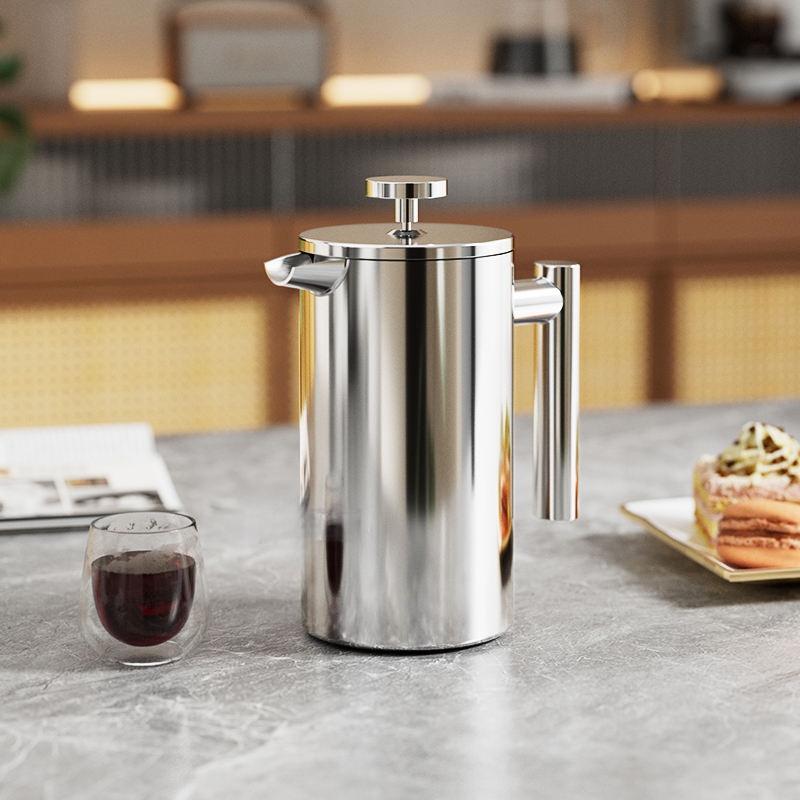
For importers and Wholesalers, receiving a batch of stainless steel French presses with inconsistent materials, poor welding, or defective plungers can quickly turn a profitable order into a costly problem. Minor defects may lead to customer complaints, negative reviews, and expensive returns. Without a systematic incoming inspection process, these issues can remain hidden until products reach the market. A clear inspection checklist helps buyers identify risks early, protect product quality, and maintain reliable supply chains.
An effective stainless steel French press quality inspection should cover material grade and thickness, dimensional accuracy, plunger performance, surface finish, packaging protection, and AQL sampling. Buyers should verify specifications against approved samples and purchase orders. As a Manufacturer of stainless steel kitchenware, Jiangmen Yesheng Metal Products Co., Ltd. supports quality-focused production and customized requirements for international buyers.
1. Material and Thickness Verification
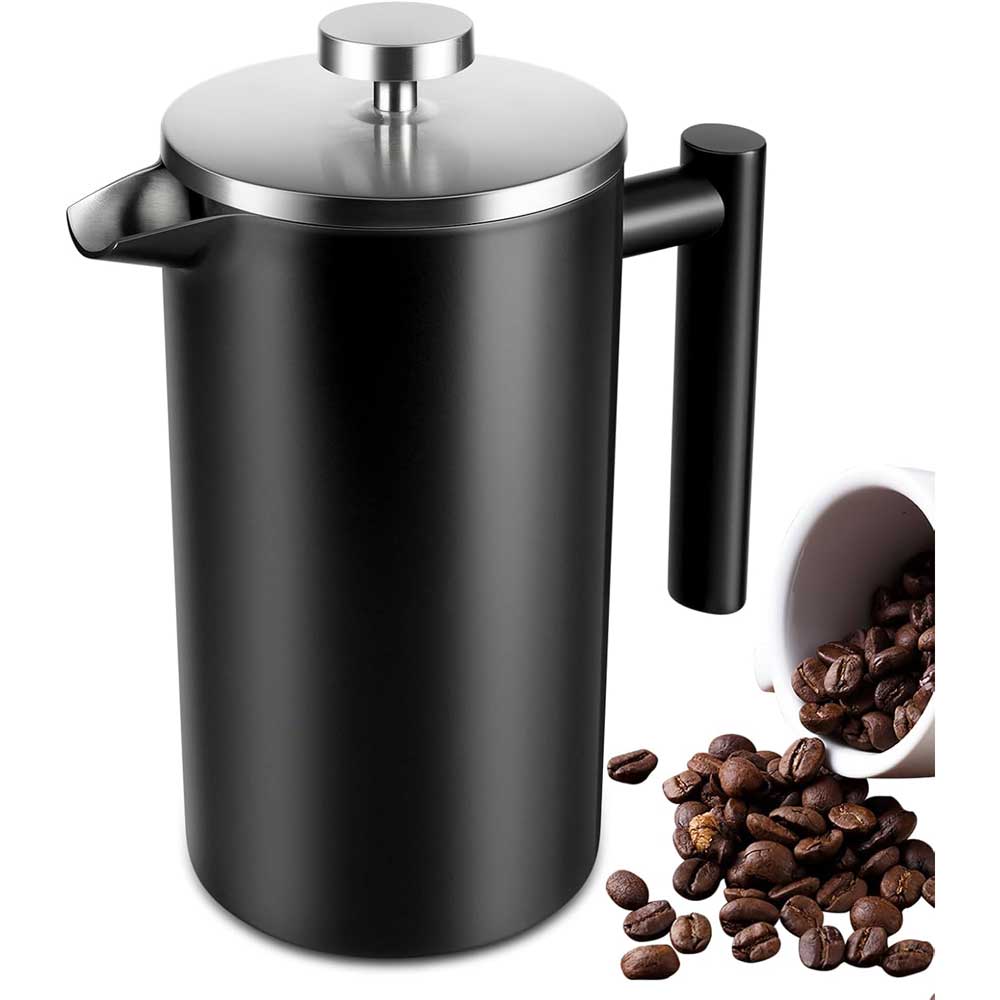
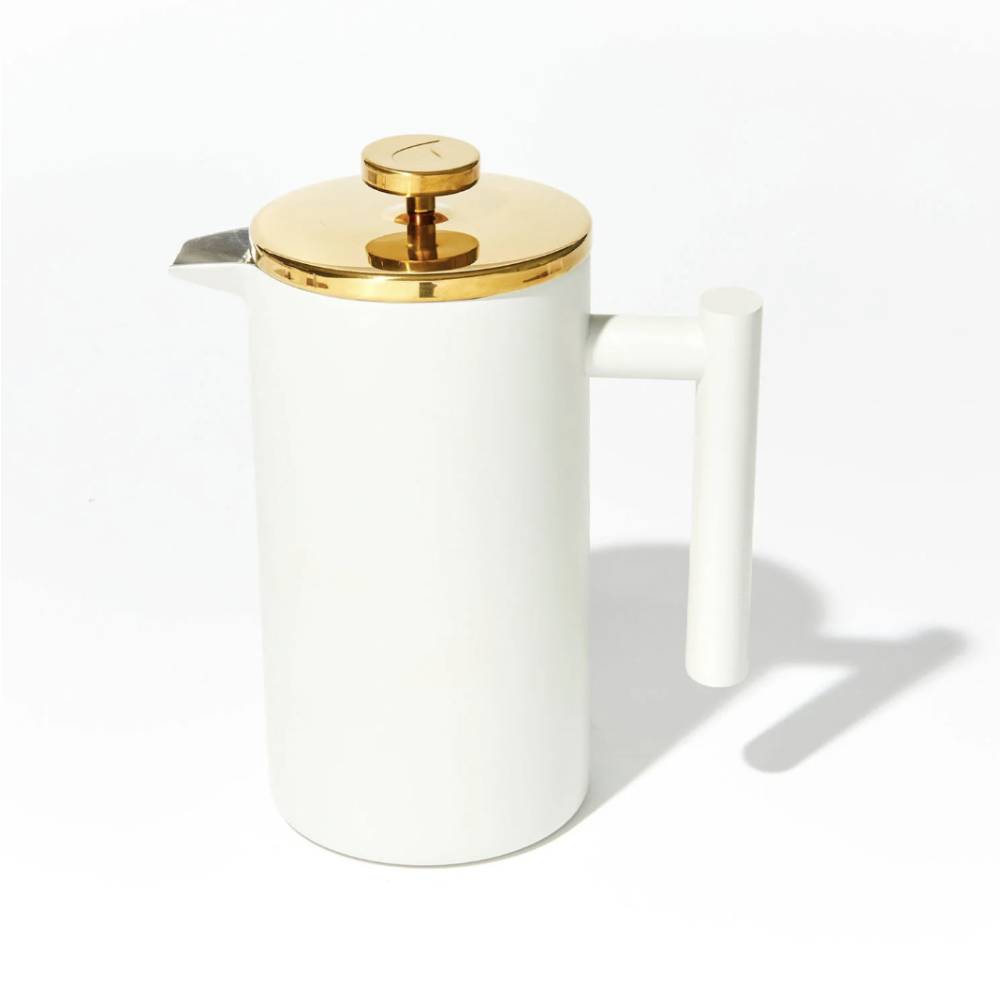
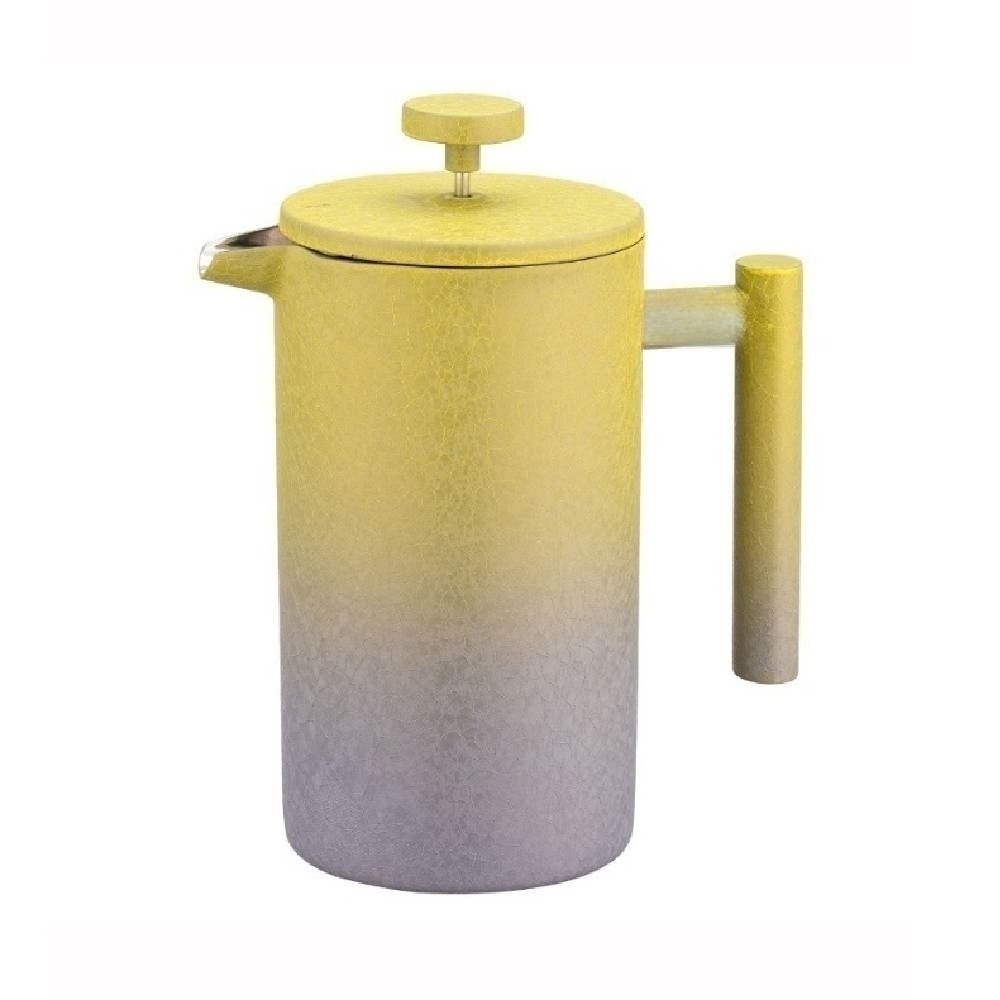
Material verification is the first step in incoming quality inspection. Stainless steel French presses are designed for repeated contact with hot beverages, so material consistency, structural strength, and corrosion resistance are important purchasing considerations. Yesheng’s stainless steel French press coffee maker is made from 304-grade stainless steel, with a smooth and durable finish.
1.1 Verify Stainless Steel Grade
Buyers should confirm that the delivered products match the material specifications stated in the purchase order and approved product sample.
- Material certificate: Request relevant material documentation from the Supplier and check whether the stated grade matches the agreed specification.
- Material identification: Use an appropriate material testing method, such as XRF testing, when independent verification is required.
- Visual condition: Check for rust, unusual discoloration, and inconsistent material appearance.
- Traceability: Maintain batch numbers and supporting inspection records for future quality investigations.
 1.2 Check Material Thickness
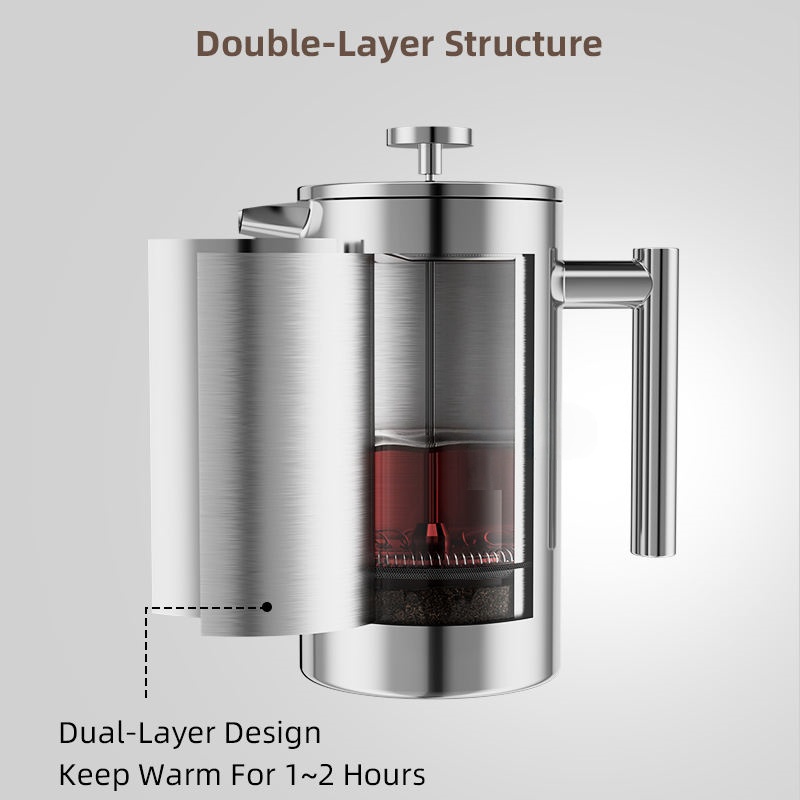
Thickness influences the French press’s structural strength, durability, and overall feel. Buyers should compare actual measurements with the approved technical drawing or sample rather than relying on visual judgment alone.
| Inspection Item | Verification Method | Acceptance Standard |
|---|---|---|
| Stainless steel grade | Certificate review and material testing | Matches approved specification |
| Body thickness | Micrometer measurement | Within agreed tolerance |
| Material appearance | Visual inspection | No visible rust or abnormal defects |
| Material consistency | Batch sampling | Consistent with approved sample |
2. Dimensions and Functional Checks
A stainless steel French press must not only look attractive but also perform consistently during everyday coffee preparation. Dimensional deviations can affect assembly, filtration, pouring, and the overall user experience. Incoming inspection should therefore combine measurement checks with practical functional testing.
2.1 Verify Key Dimensions
- Body dimensions: Measure the overall height, diameter, and capacity to confirm compliance with the approved drawing.
- Handle position: Check handle alignment, attachment strength, and comfortable grip.
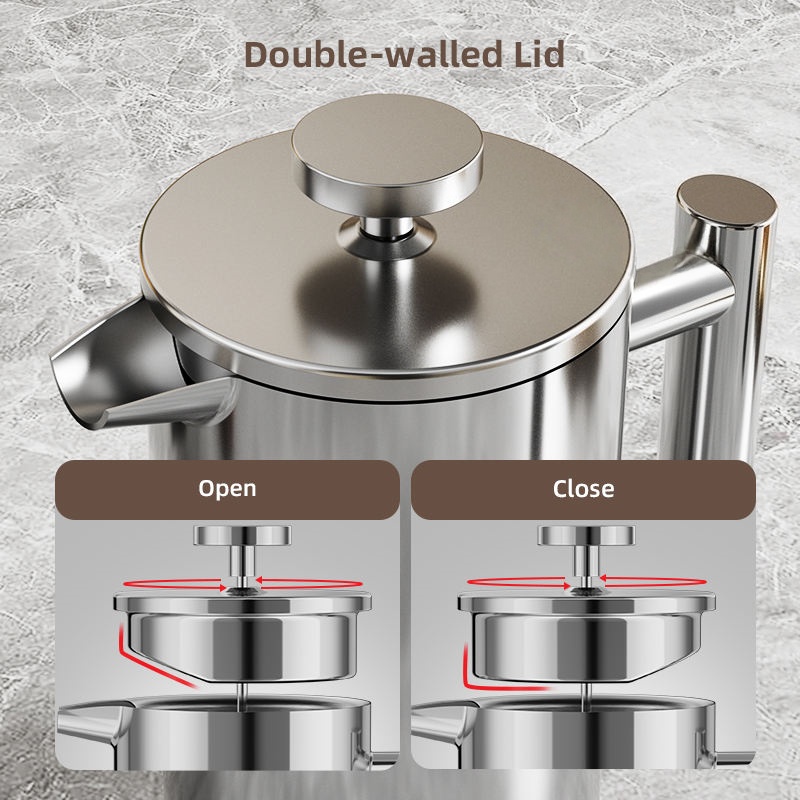
- Lid fitting: Ensure the lid fits securely without excessive looseness or difficulty during removal.
- Plunger dimensions: Verify that the rod, filter assembly, and mesh components match the specified design.
- Component alignment: Check that all assembled parts fit together properly.
 2.2 Test Plunger and Filter Performance
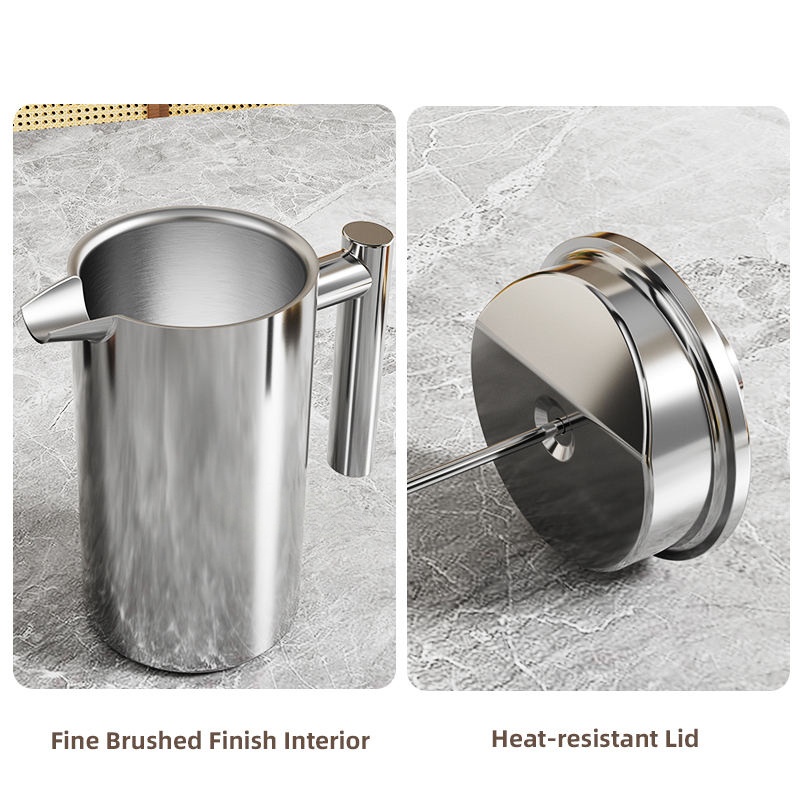
The plunger and filter system directly influence coffee preparation. A defective assembly may allow excessive coffee grounds to enter the beverage or make pressing uncomfortable.
- Insert the plunger into the assembled French press.
- Move it up and down several times to check for smooth operation.
- Check whether the filter mesh remains properly positioned during movement.
- Observe whether the plunger becomes stuck, tilts, or produces abnormal friction.
- Confirm that the filter and plunger can be detached for convenient cleaning.
2.3 Check Handle Safety and Heat-Related Features
The French press features a cool-touch handle designed for comfortable pouring. Inspectors should check handle stability, attachment quality, and surface condition. For products marketed with insulation or cool-touch performance, any relevant temperature-performance claims should be verified through an agreed test procedure rather than visual inspection alone.
| Functional Item | Inspection Method | Expected Result |
|---|---|---|
| Plunger movement | Repeated manual operation | Smooth and consistent |
| Filter mesh | Visual and assembly checks | Correctly positioned without damage |
| Lid fitting | Repeated fitting and removal | Proper fit and stable positioning |
| Handle attachment | Manual stability check | No looseness or visible damage |
| Cleaning convenience | Disassembly check | Filter and plunger detachable as designed |
3. Surface-Defect Acceptance Criteria
Appearance plays an important role in the retail value of stainless steel French presses. For supermarkets, kitchenware retailers, and private-label brands, visible defects can affect shelf presentation and customer confidence. A consistent visual inspection standard helps buyers maintain product appearance across different production batches.
3.1 Common Surface Defects to Identify
- Scratches: Check for noticeable scratches, especially on highly visible body surfaces.
- Dents and deformation: Reject products with body deformation that affects appearance or functionality.
- Rust and corrosion: Check for rust spots, corrosion marks, and suspicious discoloration.
- Welding defects: Inspect welded joints for cracks, sharp edges, incomplete welding, or visible irregularities.
- Polishing inconsistency: Look for uneven surface finishes, visible polishing marks, and inconsistent appearance.
- Sharp edges: Check the rim, handle connections, and other accessible edges to reduce potential injury risks.
3.2 Establish Visual Acceptance Standards
Buyers should establish clear visual acceptance criteria before mass production. The approved sample should serve as the primary reference for surface finish, color, polishing quality, and overall appearance.
| Defect Category | Suggested Inspection Decision |
|---|---|
| Cracks, sharp edges, or dangerous deformation | Critical: Reject |
| Functional welding failure | Major: Reject |
| Significant dents or deep scratches | Major: Reject |
| Minor appearance variations | Evaluate against approved sample |
| Minor marks on hidden areas | Evaluate against agreed cosmetic standard |
These are practical inspection guidelines, not universal defect limits. The final acceptance criteria should be documented in the quality agreement and confirmed by both the buyer and Supplier.
 4. Packaging Drop and Carton Checks
Even a well-manufactured French press can arrive damaged if its packaging does not provide sufficient protection during transportation. For overseas importers, packaging inspection is particularly important because products may experience multiple handling stages, warehouse transfers, and long-distance shipping.
4.1 Individual Product Packaging
- Check whether each French press is adequately protected against scratches and impact.
- Verify that the lid, handle, and plunger components are secured during transportation.
- Confirm that protective bags, foam, or other cushioning materials match the approved packaging specification.
- Ensure that accessories and detachable components are included and properly positioned.
4.2 Outer Carton Inspection
Inspect the export carton for sufficient strength, correct dimensions, and clear shipping information.
- Check carton integrity, sealing, and visible deformation.
- Verify product quantity and packing configuration.
- Confirm shipping marks, product labels, and barcode information.
- Check whether cartons can be stacked safely according to the agreed shipping requirements.
4.3 Conduct Packaging Drop Tests
When required by the buyer’s packaging specification, conduct drop tests using an agreed procedure. The test should evaluate whether the packaging protects the French press against transportation impacts.
- Select representative cartons according to the inspection plan.
- Check and record the original carton condition.
- Conduct the agreed drop-test procedure.
- Open the carton and inspect the product, accessories, and internal protective materials.
- Record any damage and determine whether packaging improvements are necessary.
Drop height, impact surfaces, and test conditions should be agreed in advance rather than applied as arbitrary universal requirements.
5. AQL Plan and Inspection Records
AQL sampling provides importers and Wholesalers with a structured method of evaluating incoming product batches without inspecting every individual unit. A clear sampling plan also helps buyers and manufacturers establish consistent acceptance decisions and reduce disagreements during mass production and shipment approval.
5.1 Establish an Appropriate AQL Plan
Buyers can refer to ISO 2859-1 or an agreed equivalent sampling standard when establishing inspection procedures. The sampling level, lot size, and acceptance and rejection numbers should be confirmed before inspection.
| Defect Classification | Suggested AQL Reference | Inspection Focus |
|---|---|---|
| Critical defects | 0 | Safety hazards and dangerous sharp edges |
| Major defects | 2.5 | Functional failures, significant deformation, and assembly problems |
| Minor defects | 4.0 | Minor cosmetic imperfections and non-functional appearance issues |
These figures are commonly used reference values, not mandatory acceptance limits. The actual sampling plan must specify the inspection level, lot size, sample size, and acceptance and rejection numbers. Critical defects should also be managed through explicit safety requirements.
5.2 Create Complete Inspection Records
Inspection records help buyers track product consistency and provide evidence when handling supplier quality disputes. Each inspection report should include:
- Product name, model number, and purchase order number.
- Manufacturer and production batch information.
- Inspection date, location, and inspector details.
- Material certificates and relevant testing results.
- Dimensional and functional inspection results.
- Surface-defect photographs and defect classifications.
- Packaging and carton inspection results.
- AQL sampling information and final acceptance decision.
- Corrective actions and follow-up verification, where applicable.
5.3 Coordinate Inspection with the Manufacturer
Effective quality control depends on communication between the buyer and Manufacturer. Before production, buyers should confirm drawings, material specifications, approved samples, and packaging requirements. During production, agreed quality checkpoints can help identify potential problems earlier. Before shipment, a final inspection can verify whether the finished batch meets the purchase order requirements.
For OEM and ODM projects, these steps become particularly important because product dimensions, logos, surface finishes, packaging, and accessories may differ between customer orders. Yesheng provides stainless steel kitchenware manufacturing and has established its own import and export company, supporting coordinated production, procurement, and export services.
6. How to Choose a Reliable Stainless Steel French Press Supplier
Beyond product inspection, choosing the right Supplier is essential for long-term sourcing stability. Buyers should evaluate manufacturing capabilities, quality management, communication efficiency, and customization support before placing large-volume orders.
6.1 Evaluate Manufacturing Capabilities
Established in 2017, Jiangmen Yesheng Metal Products Co., Ltd. has focused on stainless steel products, including French press coffee makers and other kitchenware. Its hardware workshop is equipped with 19 hydraulic presses, 26 punching machines, 4 welding machines, 3 cutting machines, 2 die-casting machines, and 2 rolling machines.
These production resources support different metalworking requirements and provide a foundation for handling varied customer orders. Buyers should still confirm the production capacity and lead time for their specific French press model.
6.2 Confirm Customizable and OEM/ODM Requirements
For retailers, importers, and private-label Wholesalers, product differentiation can improve competitiveness. Before confirming an order, buyers should discuss:
- Customizable logo placement and branding methods.
- Product dimensions, capacity, and design details.
- Stainless steel material and surface finish requirements.
- Handle and plunger configurations.
- Retail packaging, barcode labels, and carton specifications.
- Sample approval, production lead time, and inspection arrangements.
Yesheng can discuss OEM and ODM requirements according to individual project specifications. Its own import and export company, established in 2023, provides an additional link between manufacturing and international order fulfillment.
7. Final Incoming Inspection Checklist
Before accepting a shipment, buyers can use the following checklist to review the essential inspection points and maintain a consistent quality assessment process.
- Material grade and supporting documentation verified.
- Stainless steel thickness meets the approved specification.
- Body dimensions and capacity match the technical drawing.
- Handle, lid, and plunger are correctly assembled.
- Filter mesh operates properly and is detachable as designed.
- No unacceptable scratches, dents, rust, or welding defects.
- Product appearance matches the approved reference sample.
- Individual packaging and export cartons meet requirements.
- Required packaging drop tests completed where applicable.
- AQL sampling and final acceptance decision documented.
- Inspection photographs and reports properly archived.
Conclusion: Build a More Reliable French Press Supply Chain
A systematic incoming inspection process helps importers protect product quality, reduce avoidable returns, and maintain customer confidence. Contact Yesheng at nicoleliu@jmyesheng.com to discuss stainless steel French press specifications, OEM/ODM customization, samples, and wholesale quotations.