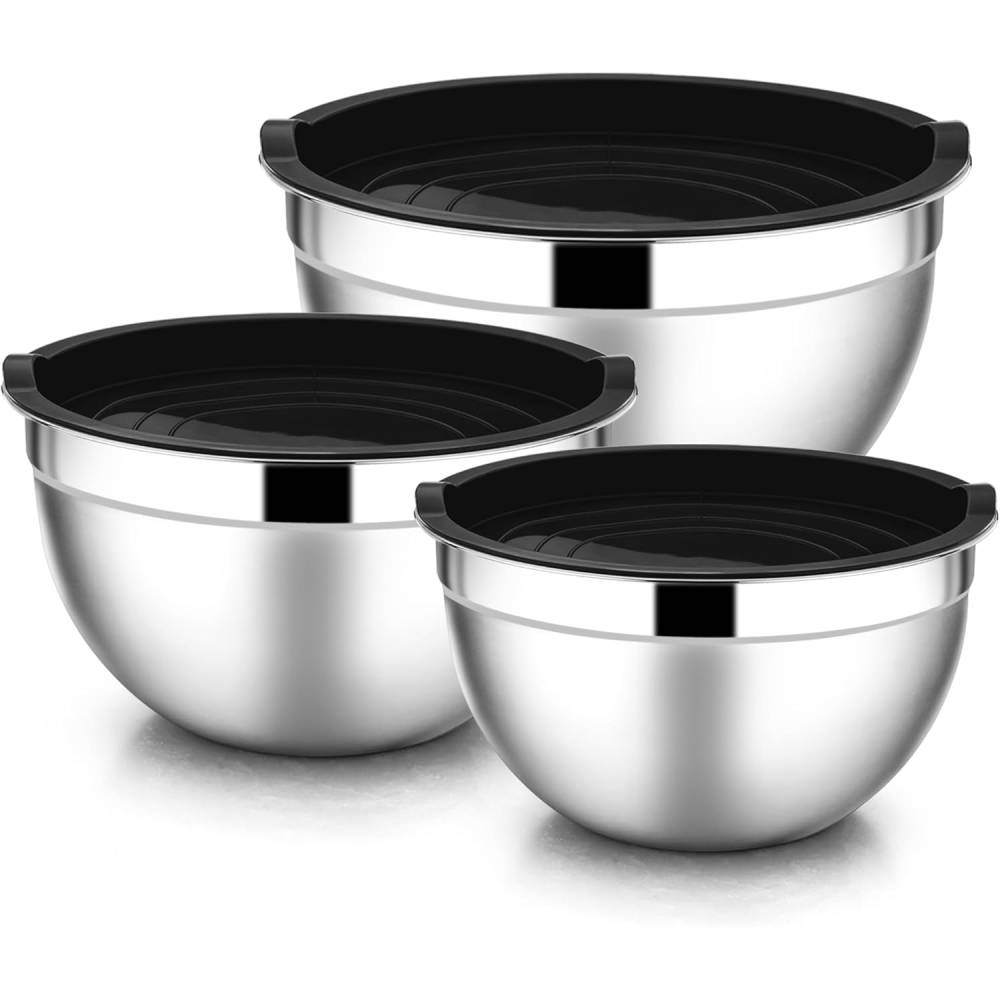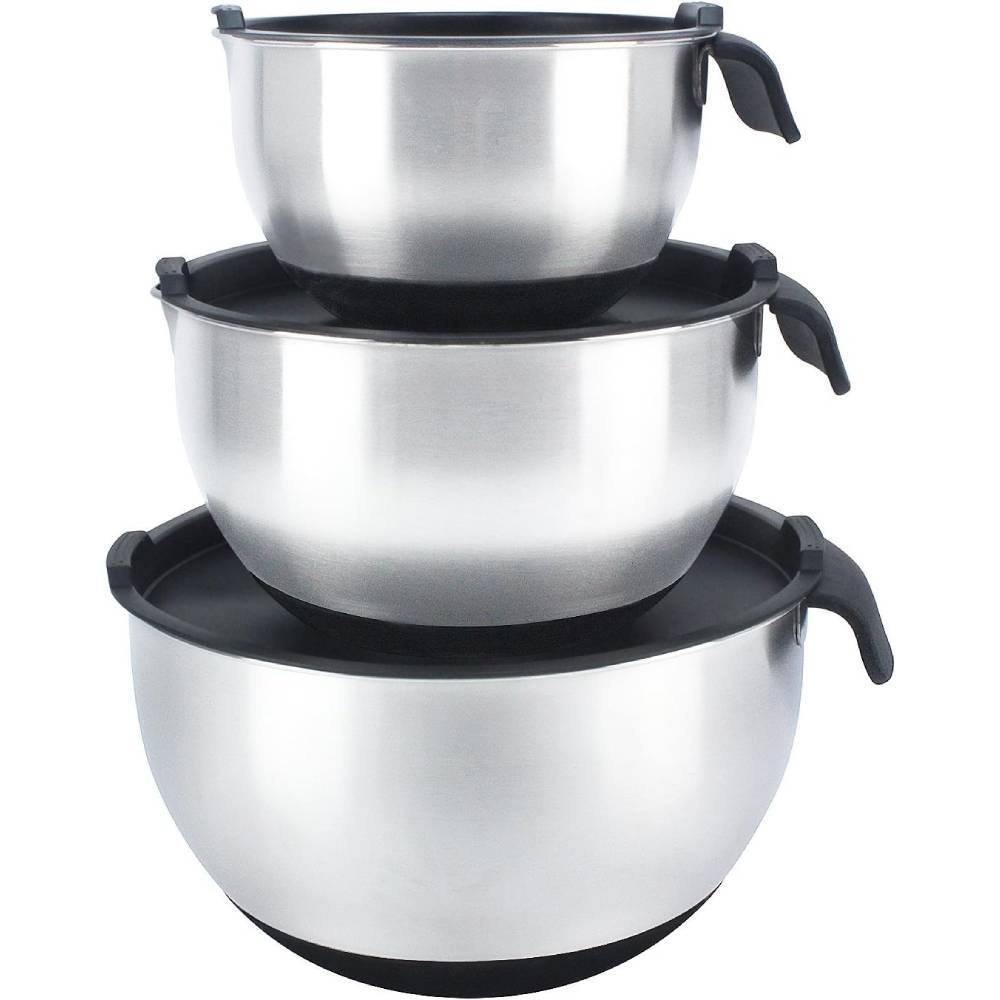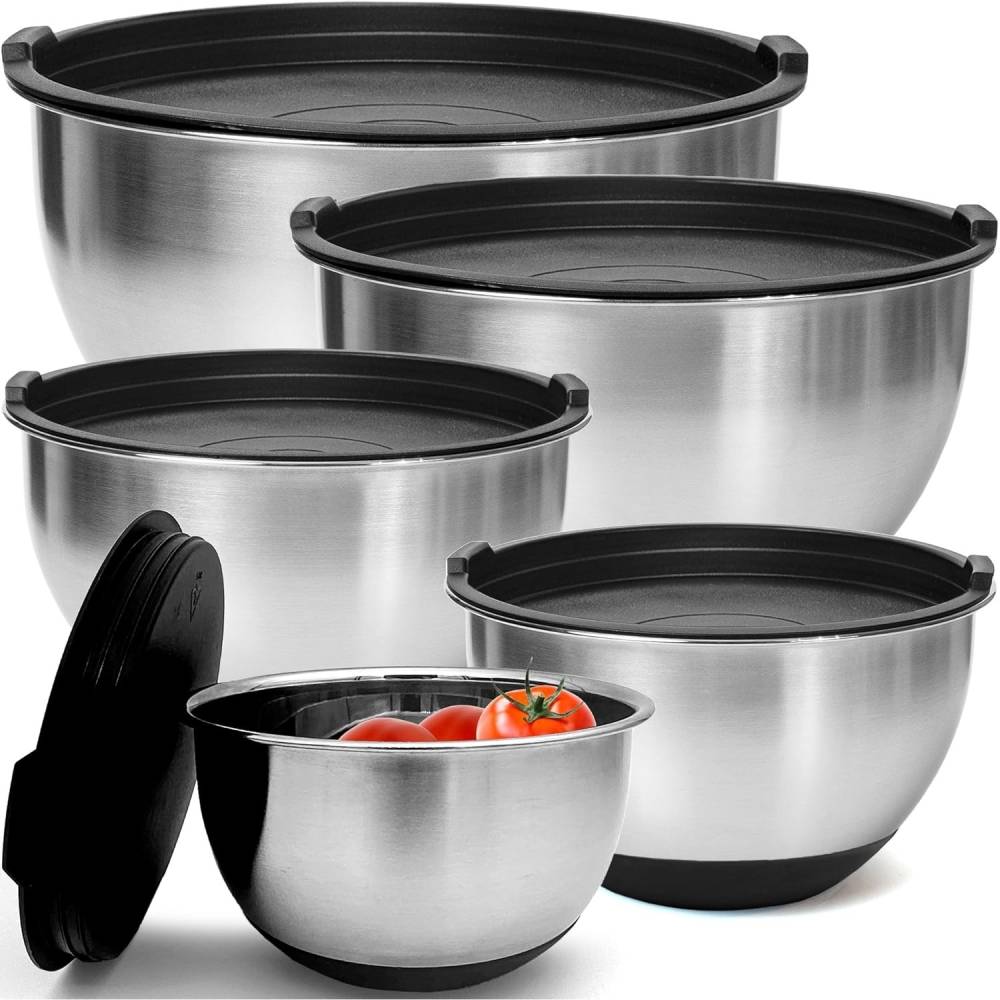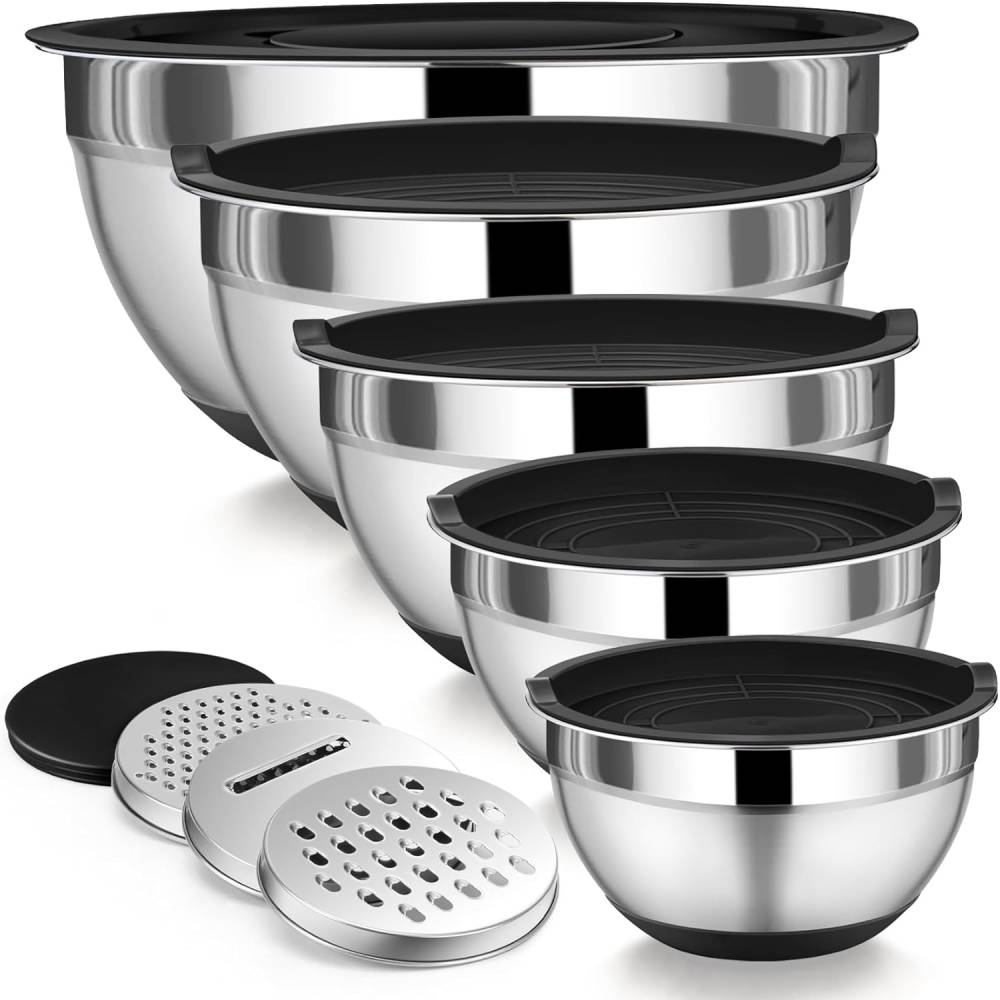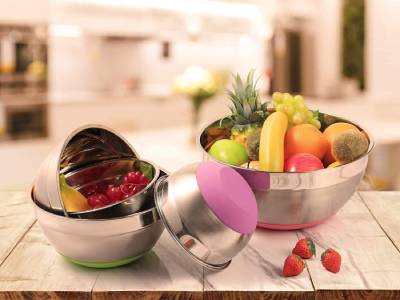
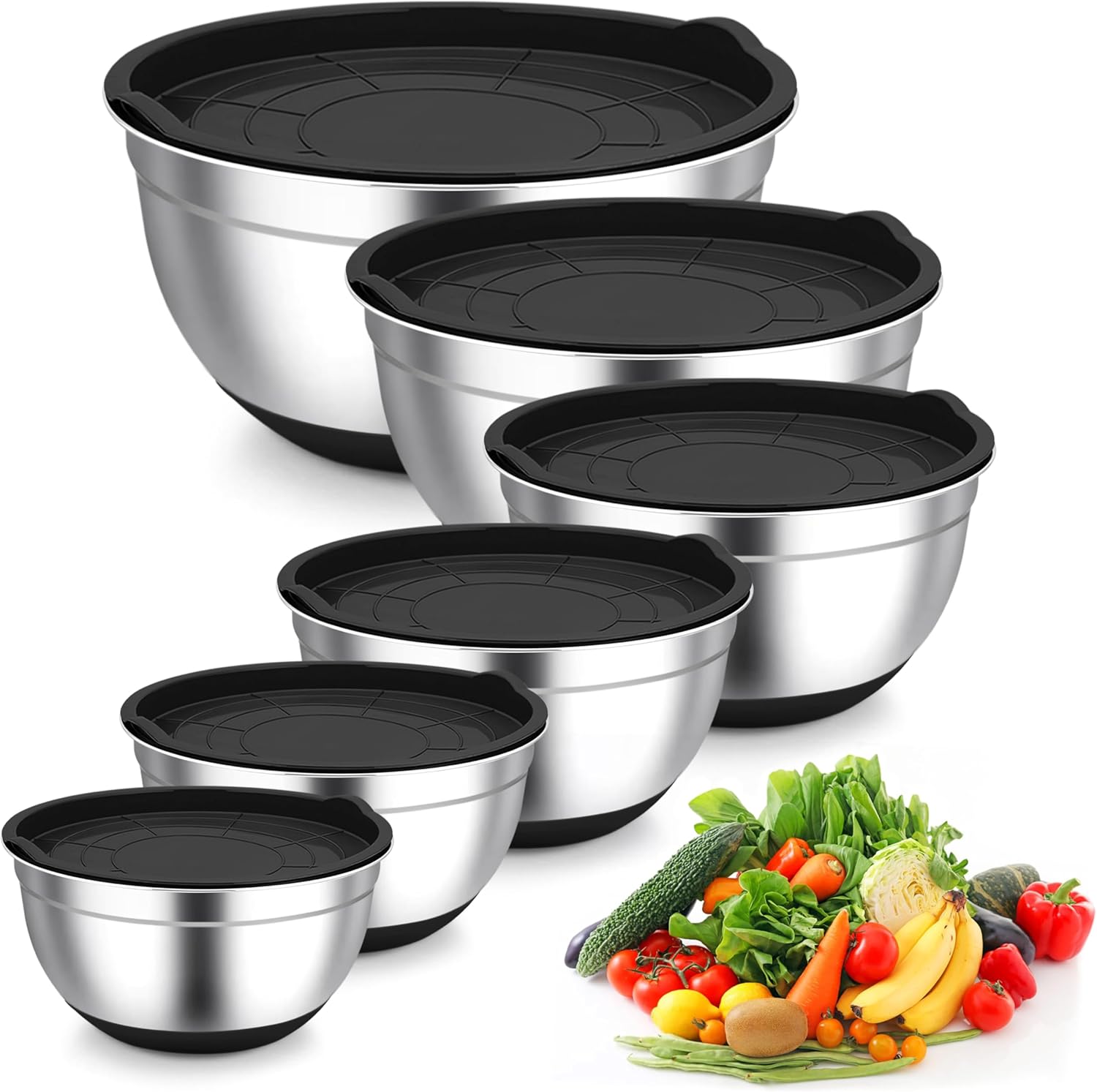
Surface finish selection is often underestimated during product development, yet it can significantly influence consumer perception, retail positioning, and purchasing decisions. The same bowl design can appeal to entirely different audiences depending on its finish.
As a Manufacturer supporting multiple market segments, offering a range of finish options allows brands to better align products with regional preferences and merchandising strategies.
| Surface Finish | Characteristics | Best Suited For |
|---|---|---|
| Mirror Polish | Highly reflective and premium appearance | Traditional retail and supermarkets |
| Satin / Brushed Finish | Modern, understated aesthetics | Homeware importers and Scandinavian markets |
| Exterior Powder Coating | Customizable colors and enhanced differentiation | Amazon private label brands |
Mirror polished bowls continue to perform well because they communicate cleanliness and timeless appeal. They remain a preferred choice for mass-market retailers.
Brushed finishes have gained popularity among consumers seeking minimalist kitchen aesthetics. Their refined appearance complements contemporary home décor trends.
Powder-coated exteriors provide the greatest opportunity for brand differentiation. Seasonal colors, exclusive collections, and coordinated kitchen themes can all support stronger retail performance.
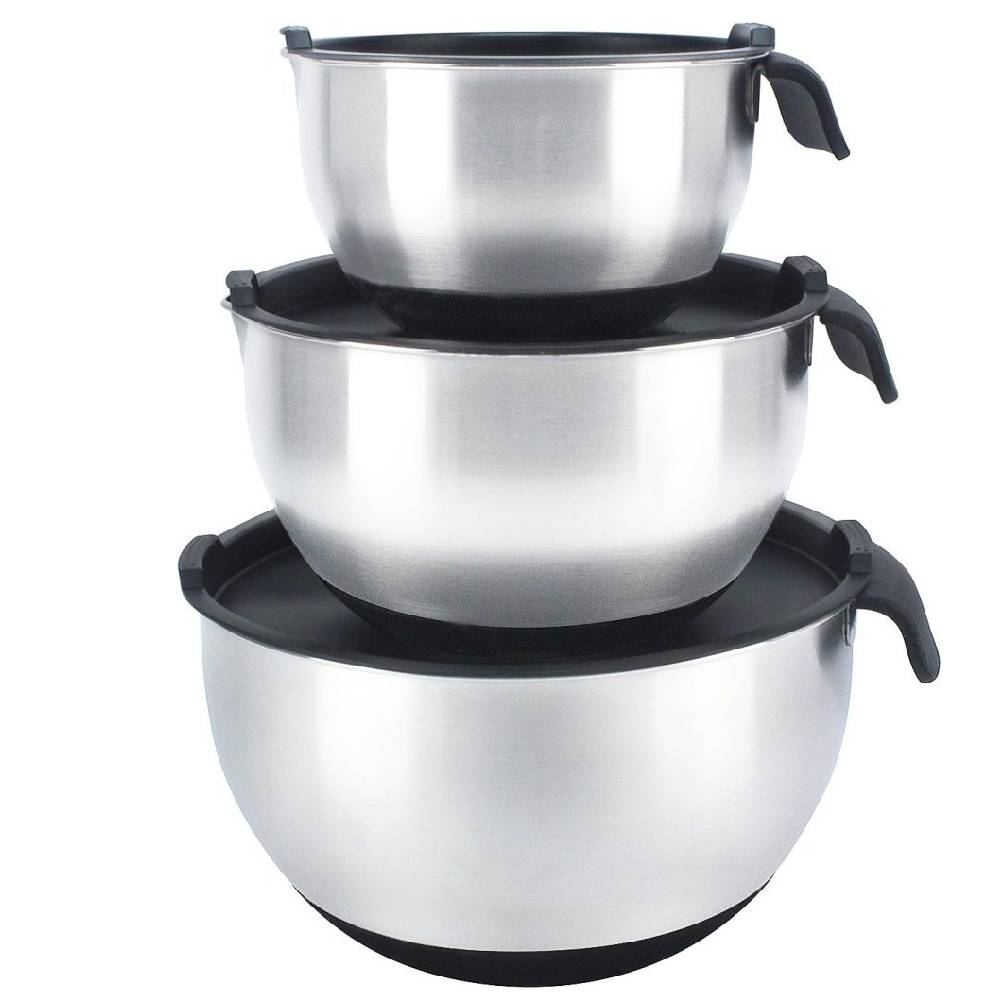
Why Are OEM Mixing Bowl Programs Growing?
Retail buyers increasingly seek products that help distinguish their brands from competitors. Generic solutions may offer short-term convenience, but Customizable programs create opportunities for long-term market positioning.
As an experienced Manufacturer and Supplier, supporting comprehensive OEM and ODM services allows brands to develop exclusive collections tailored to their customers’ expectations.
Popular OEM and ODM Options Include:
- Laser-engraved logos for premium branding.
- Printed packaging artwork designed for retail environments.
- Custom powder-coated colors aligned with brand identities.
- Silicone base color matching for coordinated product collections.
- Tailored bowl combinations that support diverse retail strategies.
- Private label gift packaging for seasonal promotions.
- Barcode labeling and compliance support for streamlined logistics.
These services enable importers and retailers to create products that extend beyond functionality and contribute meaningfully to brand storytelling.
What Quality Problems Should Buyers Avoid?
Quality consistency plays a critical role in customer satisfaction and brand reputation. Even attractive products can generate negative reviews if manufacturing standards are inconsistent.
Before selecting a Supplier, buyers should evaluate the Manufacturer’s quality assurance systems and production expertise.
Seven Common Quality Issues to Watch For
- Sharp Rim EdgesPoor finishing can create uncomfortable handling experiences and increase consumer complaints.
- Bowl WobblingUneven bases affect stability during mixing activities and reduce perceived quality.
- Thin Steel DeformationInsufficient material thickness may result in dents during transportation or everyday use.
- Inconsistent PolishingVisible variations in finish quality can undermine premium positioning efforts.
- Poor Lid FitLids that fail to align properly compromise storage functionality.
- Scratches During TransitInadequate protective packaging increases the likelihood of damage before products reach consumers.
- Unstable Nesting PerformanceImproper bowl sizing may affect stackability and consumer convenience.
Working with a qualified Supplier helps minimize these risks through standardized production procedures and rigorous inspection protocols.
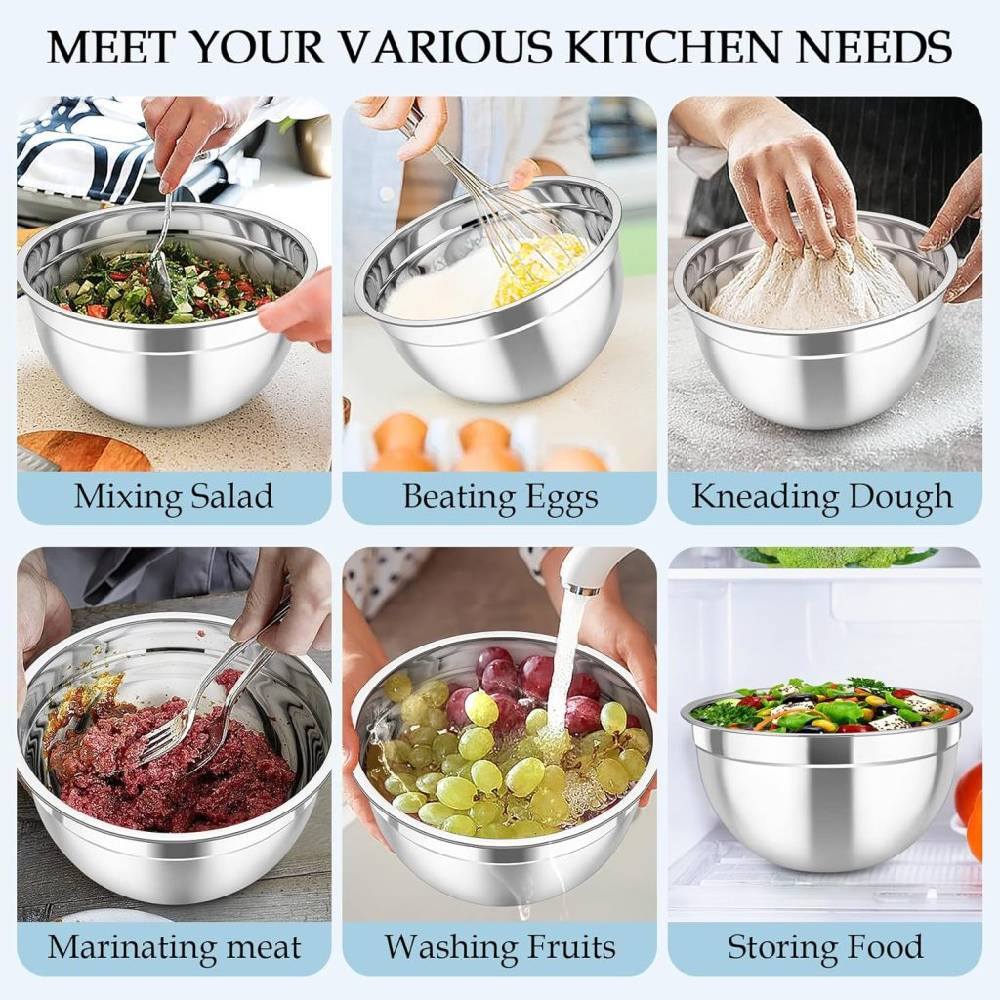
Why Are Mixing Bowl Sets Ideal for Amazon Private Label Programs?
Amazon sellers operate within highly competitive environments where differentiation and perceived value strongly influence purchasing behavior.
Fortunately, stainless steel mixing bowl sets align exceptionally well with the characteristics of successful private label categories.
- Multiple capacities support bundle strategies.
- Feature-rich configurations justify premium pricing.
- Custom packaging strengthens brand recognition.
- Color options facilitate seasonal promotions.
- Practical household applications encourage consistent consumer demand.
Combining silicone bottoms, measurement markings, and lids within coordinated nesting sets often creates compelling value propositions capable of generating stronger review performance.
For Amazon sellers, these advantages can contribute directly to improved conversion rates and higher average order values.
What Should Buyers Look for in a Mixing Bowl Manufacturer?
Selecting the right Manufacturer extends beyond evaluating unit costs. Reliable partnerships contribute to product quality, supply chain stability, and long-term commercial success.
Manufacturer Evaluation Checklist
- Experience with stainless steel kitchenware production.
- Capability to support both 201 and 304 stainless steel programs.
- Comprehensive OEM and ODM development expertise.
- Flexible Customizable solutions for different markets.
- Established quality management systems.
- Professional packaging design capabilities.
- Consistent lead-time performance.
- Strong communication and project management processes.
Buyers should seek Suppliers that demonstrate both technical competence and a clear understanding of evolving retail dynamics.
An experienced Manufacturer can provide valuable recommendations regarding product combinations, packaging strategies, and market positioning opportunities that support stronger business outcomes.
Why Are Stainless Steel Mixing Bowls a Long-Term Opportunity?
Unlike trend-driven kitchen gadgets that experience short periods of popularity, mixing bowls remain essential preparation tools across virtually every household demographic.
Consumers use them for baking, food preparation, meal planning, serving, and storage applications. This versatility contributes to sustained category demand across supermarkets, specialty retailers, and e-commerce platforms.
For importers and private label brands, stainless steel mixing bowls offer several commercial advantages:
- Broad consumer appeal.
- Opportunities for product line expansion.
- High compatibility with OEM programs.
- Strong bundling potential.
- Resilience against rapidly changing trends.
As kitchen organization and home cooking continue to influence purchasing behavior, thoughtfully designed mixing bowl collections are well-positioned to remain relevant within global retail markets.
Conclusion
Choosing the right stainless steel mixing bowl for your retail program requires careful consideration of material selection, product configuration, consumer-focused features, and branding opportunities. Whether targeting value-oriented consumers through 201 stainless steel collections or premium segments through 304 stainless steel offerings, successful programs balance functionality, aesthetics, and commercial viability.
As an experienced Manufacturer and Supplier, we specialize in delivering Customizable OEM and ODM stainless steel mixing bowl solutions designed to meet the needs of supermarkets, homeware importers, and Amazon private label sellers. From nesting bowl sets and silicone-bottom designs to tailored packaging and finish development, our team is committed to helping partners create kitchen products that resonate with today’s consumers.
Whether you are sourcing a single stainless steel mixing bowl or developing a complete nesting collection, contact us to explore how our manufacturing expertise, flexible customization capabilities, and commitment to quality can support your next retail program.
A versatile bowl enhances every meal. For professional inquiries on high-quality kitchenware, visit http://www.jmyesheng.com.