For buyers, an unclear stainless steel French press wholesale MOQ can create more than a purchasing issue. Ordering too little may increase unit costs, while ordering too much can tie up cash in inventory that moves slowly. Custom requirements can add another layer of uncertainty through tooling, packaging, and logo setup. For a retailer, importer, or Wholesaler, understanding what actually drives MOQ makes supplier comparison easier and helps prevent unexpected costs before production begins.
The MOQ for wholesale stainless steel French presses is mainly determined by production efficiency, model availability, customization, packaging, tooling, and total order volume. A Manufacturer such as Jiangmen Yesheng Metal Products Co., Ltd. can assess these factors together to develop a practical MOQ for stock, OEM, or ODM projects.
Stock Model versus Custom-Model MOQ
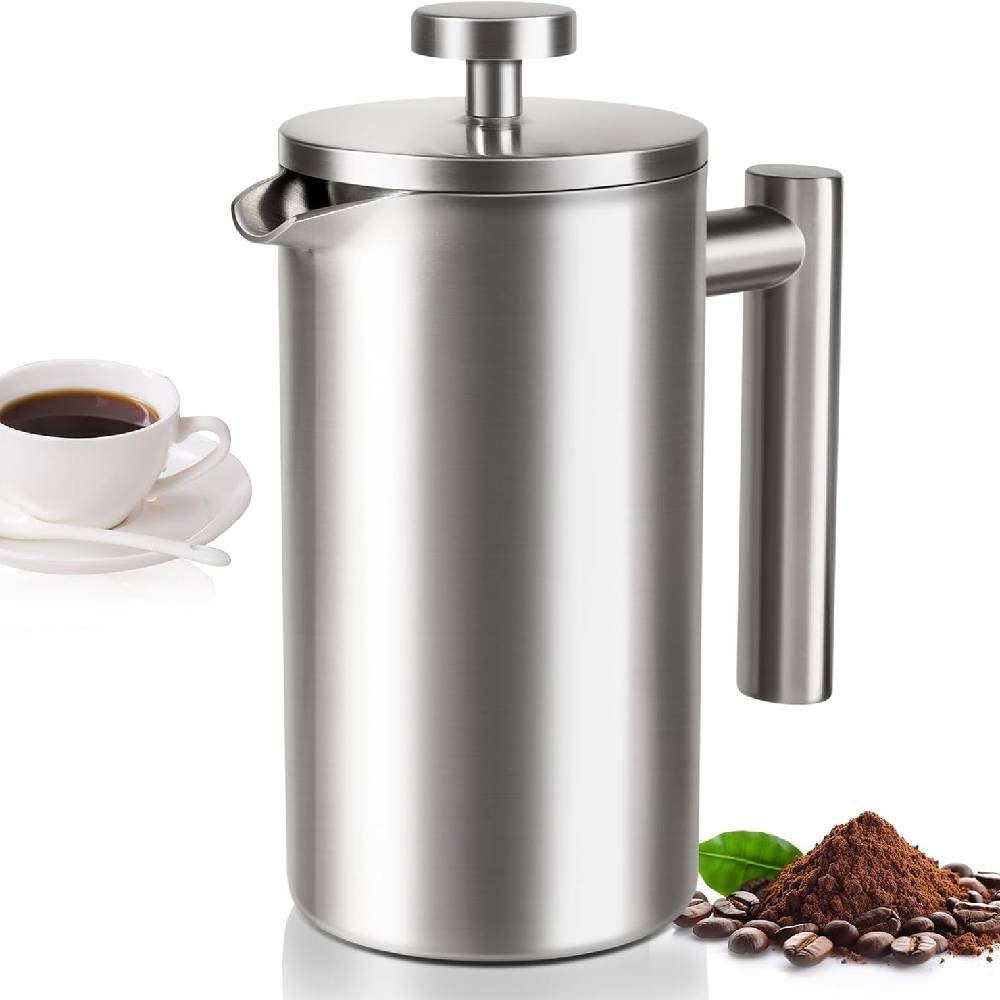
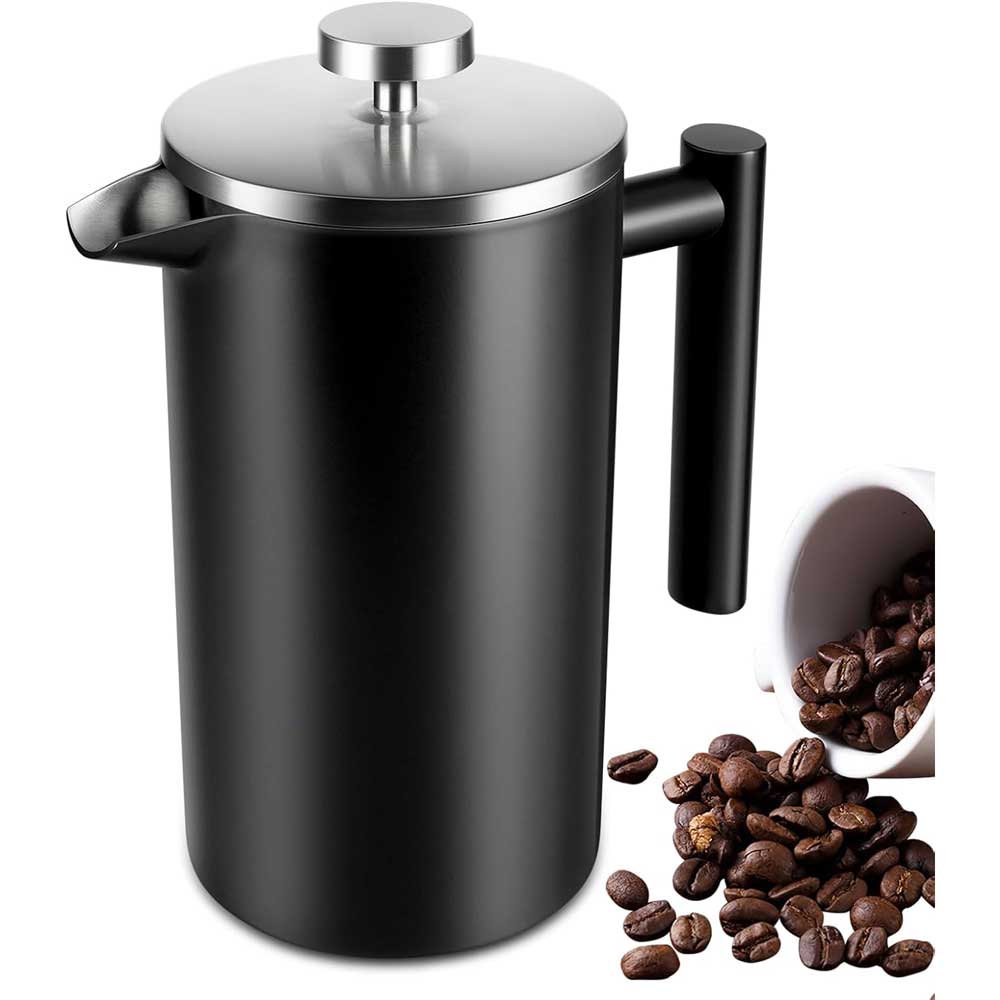
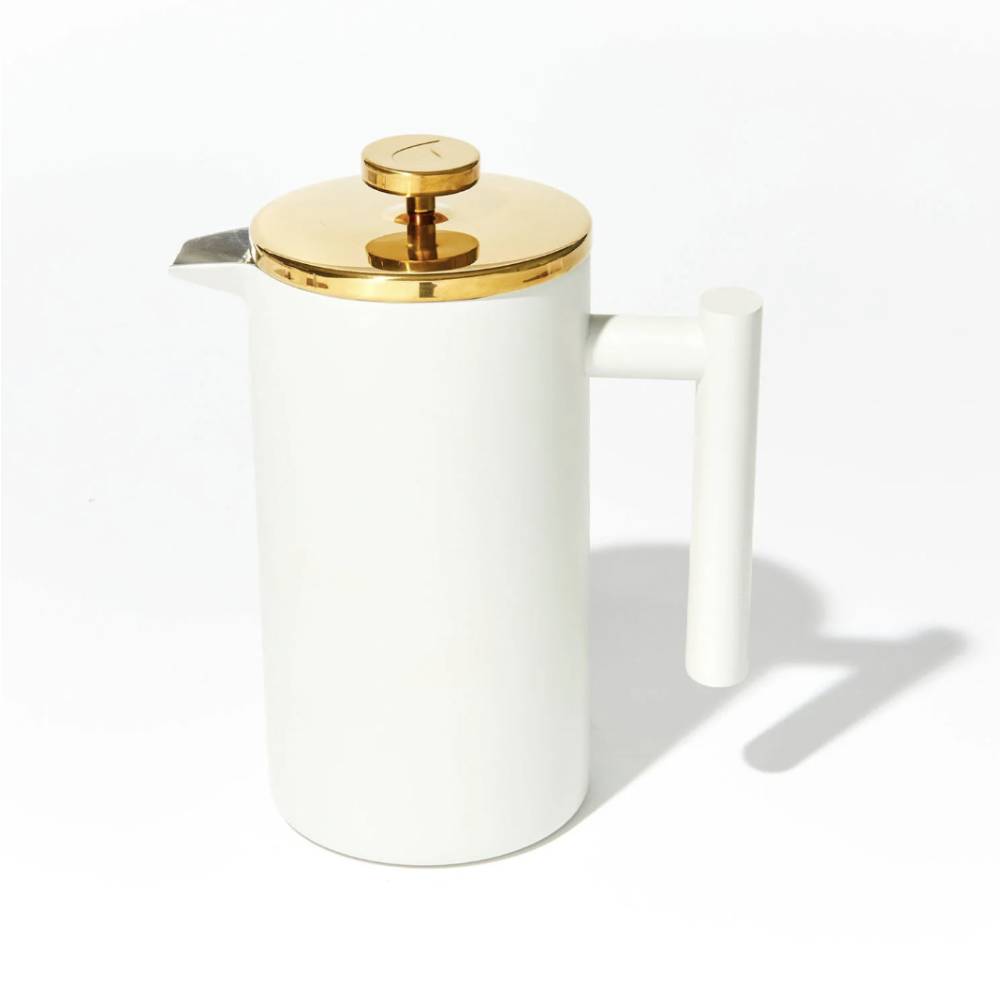
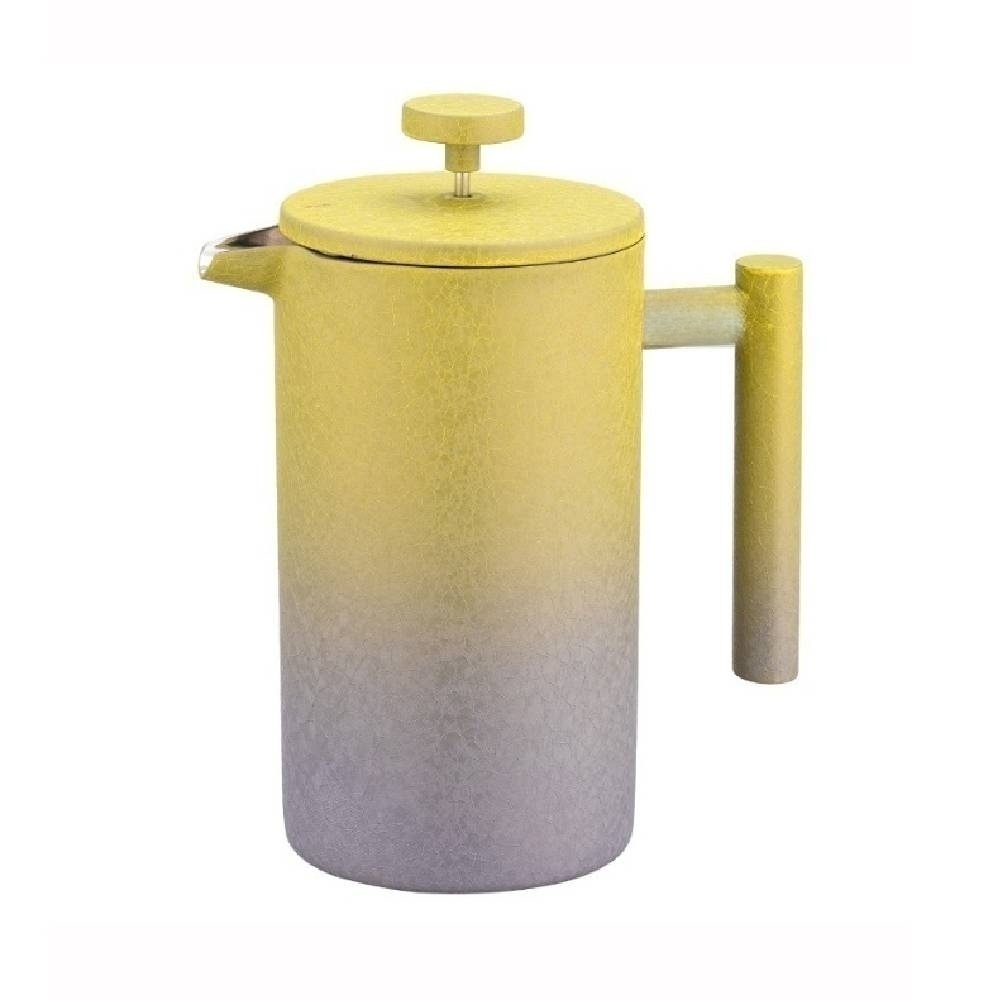
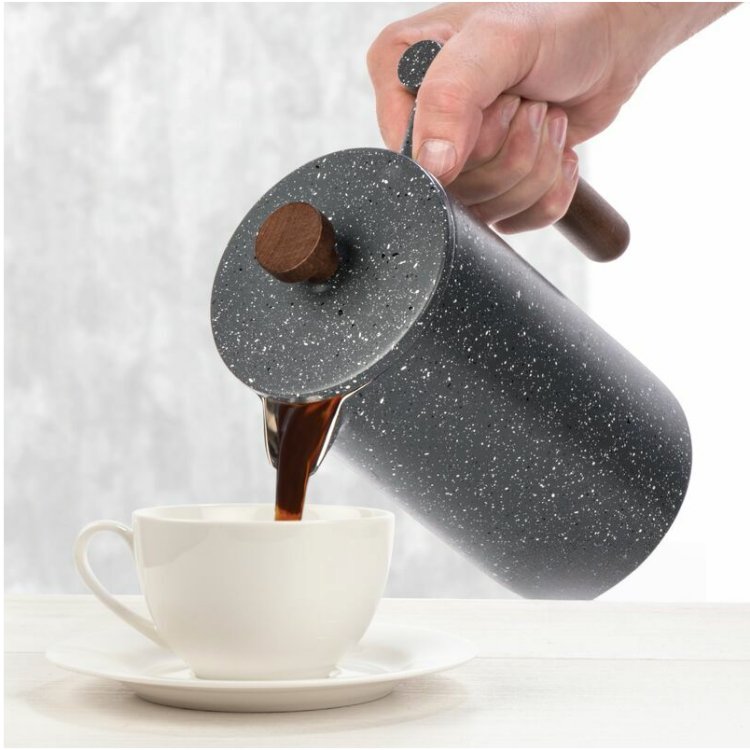
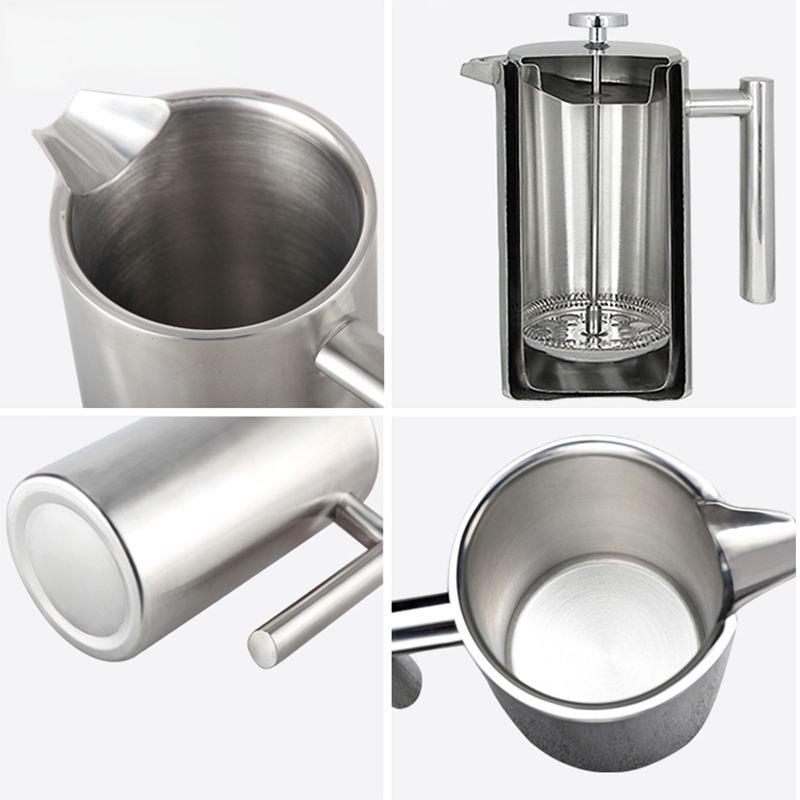
The first distinction is whether the buyer selects an existing French press model or requests a new specification. Yesheng offers a stainless steel French press made from 304 grade stainless steel, with an insulated design, cool-touch handle, detachable filter and plunger, and dishwasher-safe components. These established features can simplify production planning compared with developing a completely new model.
Existing Stock Model
An existing model generally has fewer setup variables because the main product structure and production process are already established. For buyers testing a new market, this can be a practical starting point.
- Lower product-development complexity
- More straightforward production planning
- Suitable for retailers and distributors testing demand
- Can reduce the number of variables in an initial RFQ
Custom OEM or ODM Model
OEM and ODM projects can involve additional decisions regarding dimensions, components, finishes, logos, packaging, and tooling. A Customizable specification therefore needs to be evaluated as a complete production project rather than by product quantity alone.
| Order Type | Main MOQ Considerations | Typical Buyer Objective |
|---|---|---|
| Existing model | Production efficiency and total quantity | Test or replenish market demand |
| Logo customization | Logo process and packaging requirements | Build private-label recognition |
| OEM project | Product specifications, setup, tooling and quantity | Develop a differentiated product |
| ODM project | Design development, tooling and production planning | Create a customized product concept |
Logo and Packaging Minimums
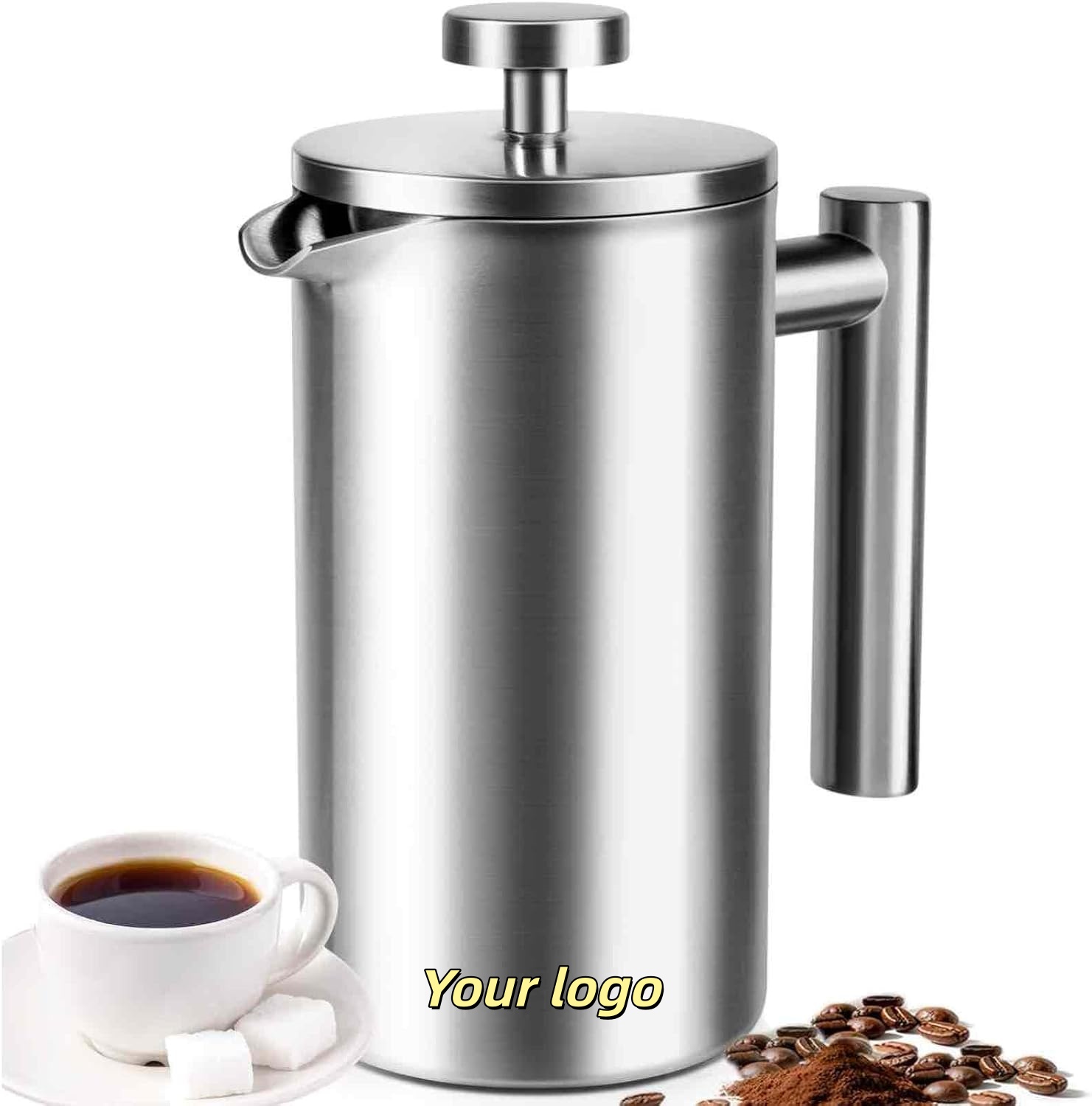
Product MOQ and customization MOQ are not always the same. A buyer may accept an existing French press design while requesting a private logo, printed carton, insert, sleeve, or other packaging element. Each additional process can create its own minimum economic quantity.
Why Logo Quantity Matters
Logo application may require preparation, production setup, or dedicated packaging materials. When the order is small, these fixed activities can represent a larger cost per unit. Buyers should therefore ask whether the quoted MOQ applies to the product, logo application, packaging, or the complete finished unit.
Packaging Planning
Packaging can also influence MOQ because customized materials may need to be purchased in batches. A practical RFQ should separate:
- Product quantity
- Logo quantity
- Individual packaging quantity
- Master carton quantity
- Customized printed-material quantity
This separation helps a buyer understand whether a seemingly low product MOQ still carries a higher minimum for customized packaging.
Mixed-SKU Order Planning
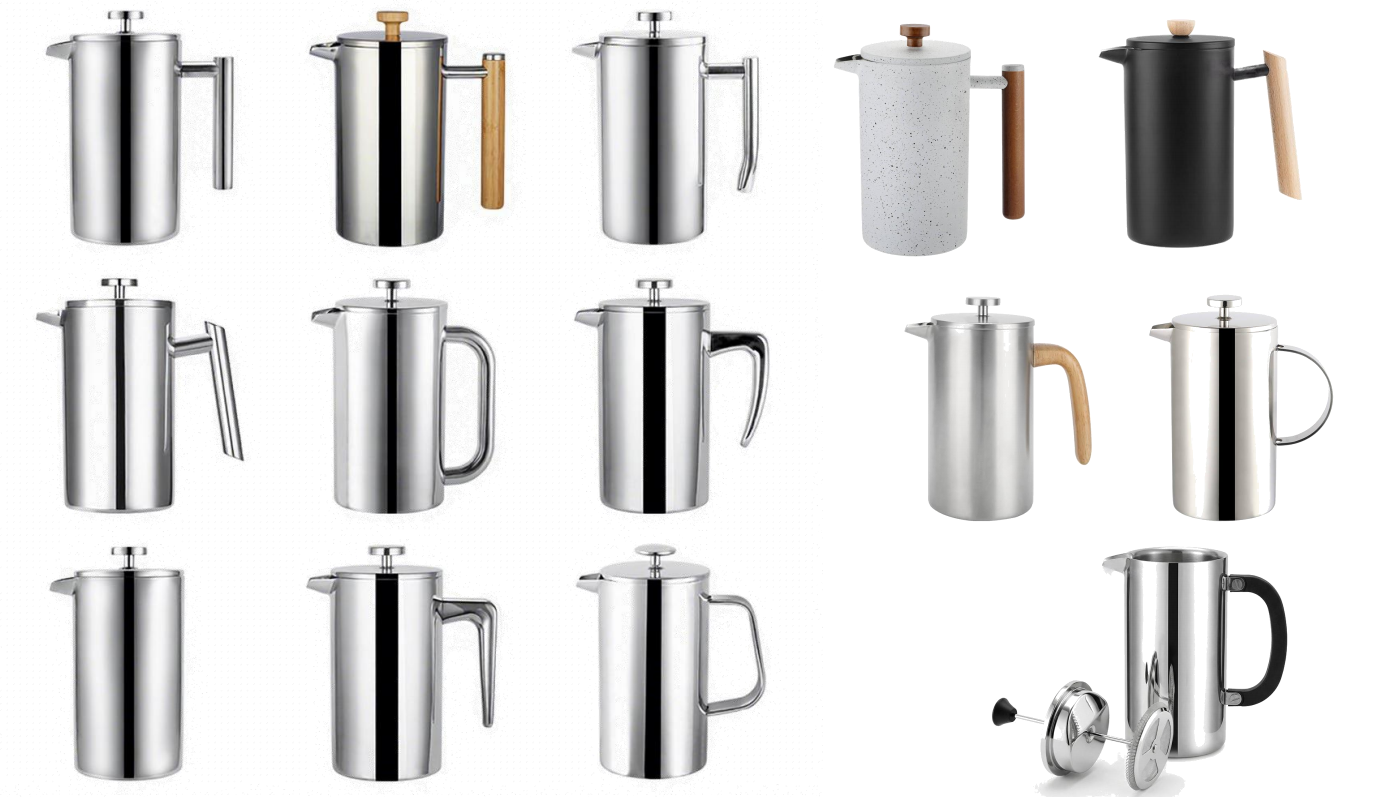
For a Wholesaler or importer, the most useful MOQ may be based on the total order rather than one SKU. When several stainless steel kitchen products are sourced together, buyers should ask whether production planning can accommodate multiple SKUs within one purchasing program.
Yesheng manufactures several stainless steel kitchen products, including French press kettles, canisters, salad bowls, bag savers, compost bins, and trash cans. Its factory information states that its hardware workshop includes 26 punching machines, 4 welding machines, 3 cutting machines, 2 die-casting machines, and 2 rolling machines, with capacity to handle orders exceeding 100,000 pieces. :contentReference[oaicite:0]{index=0}
A Practical Mixed-SKU Approach
- Identify the products required for the launch or replenishment.
- Separate existing models from products requiring customization.
- Confirm the MOQ for each SKU and the total order quantity.
- Check whether logo and packaging quantities are calculated separately.
- Compare the total landed purchasing plan rather than focusing only on one SKU.
| Planning Factor | Buyer Question |
|---|---|
| SKU quantity | Is MOQ calculated per model or across the order? |
| Customization | Does one logo apply across multiple SKUs? |
| Packaging | Is customized packaging subject to a separate minimum? |
| Production | Can different products be scheduled within the same purchasing plan? |
| Delivery | Can production capacity support the required shipment schedule? |
Tooling and Setup Cost Effects
Tooling is one of the clearest reasons why a custom model can require a different MOQ from an established product. A new shape or component may require dedicated tooling before regular production can begin. Yesheng reports having a dedicated CNC machine for mold making, supporting different customer requirements. :contentReference[oaicite:1]{index=1}
For buyers, the key question is not simply whether tooling is required, but how the tooling investment affects the overall purchasing plan.
Questions to Clarify Before Approval
- Is existing tooling available for the selected French press?
- Does the requested modification require new tooling?
- Is the tooling cost separate from the unit price?
- Can tooling be reused for future orders?
- Does the supplier recommend a higher initial quantity to spread setup costs?
These questions help a buyer compare quotations on a like-for-like basis. A lower quoted unit price may not necessarily represent the lower total project cost if tooling and setup charges are significant.
Questions to Include in an RFQ
A clear RFQ allows a Supplier and buyer to define MOQ based on the same assumptions. Instead of asking only for the price of a stainless steel French press, the buyer should provide the commercial and product requirements that influence production.
Recommended RFQ Checklist
- What is the MOQ for the existing French press model?
- What changes would move the project into OEM or ODM production?
- What is the MOQ for logo customization?
- Is customized packaging subject to a separate MOQ?
- Are tooling or setup charges required?
- Can multiple SKUs be combined within one order?
- What quantity is recommended for an initial market test?
- What production lead time applies to the requested quantity?
- Which specifications are fixed and which are Customizable?
- What payment and shipping terms apply to the quotation?
These questions also help large-company buyers evaluate a potential Manufacturer beyond the headline unit price. Yesheng has operated in stainless steel products since 2017 and established its own import and export company in 2023, with independent export rights and an integrated production-to-export process. :contentReference[oaicite:2]{index=2} :contentReference[oaicite:3]{index=3}
Choose MOQ According to the Whole Purchasing Plan
The right MOQ is not simply the smallest possible quantity. Buyers should balance product type, customization, packaging, tooling, production efficiency, and expected demand. Share the target model and requirements with Yesheng to evaluate a suitable wholesale MOQ and request a structured quotation.