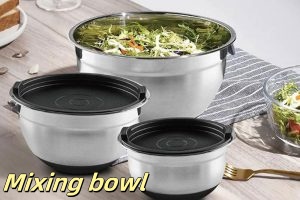
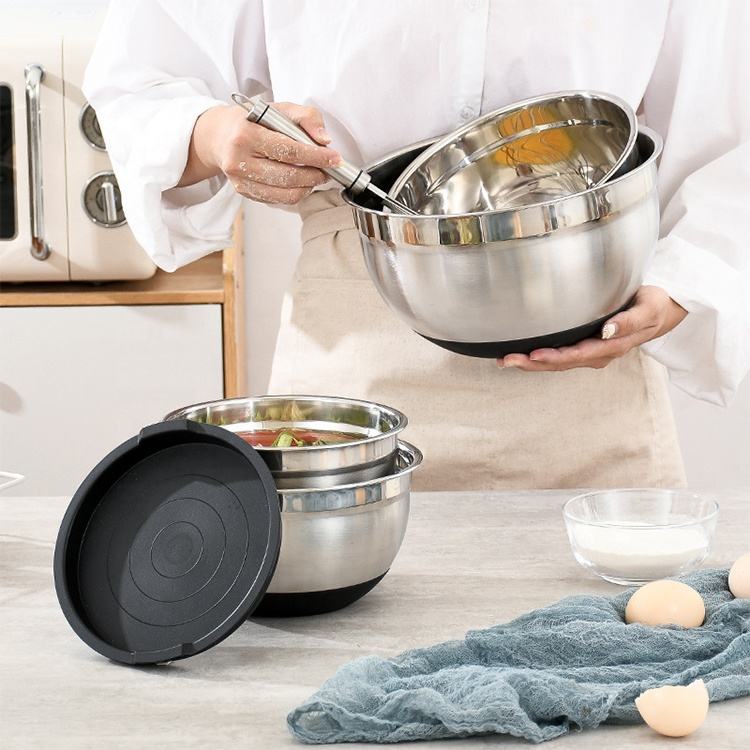
The global demand for kitchen preparation tools continues to grow as consumers embrace home cooking, meal preparation, and baking as part of their everyday routines. Among these products, stainless steel mixing bowls remain one of the most versatile and consistently popular categories. However, not every mixing bowl program achieves the same level of retail success.
Supermarket buyers often struggle to balance cost efficiency with consumer expectations. Homeware importers seek reliable Suppliers capable of delivering consistent quality across multiple production runs. Amazon private label sellers face intense competition and must identify features that generate positive reviews and improve perceived value. Selecting the wrong material, configuration, or Manufacturer can result in weak sales performance, higher return rates, and reduced profitability.
The good news is that successful sourcing decisions are rarely based on luck. By evaluating material options, nesting configurations, value-added features, and OEM capabilities, buyers can build stainless steel mixing bowl programs that align with their target markets while supporting long-term business growth.
Choosing the right stainless steel mixing bowl involves understanding material performance, retail positioning, consumer preferences, and Customizable OEM opportunities. As an experienced Manufacturer and Supplier, we help brands develop practical kitchen solutions designed to enhance functionality, strengthen market appeal, and improve commercial performance.
The following guide explores the critical considerations that retailers, importers, and Amazon sellers should evaluate before launching or expanding a stainless steel mixing bowl collection.
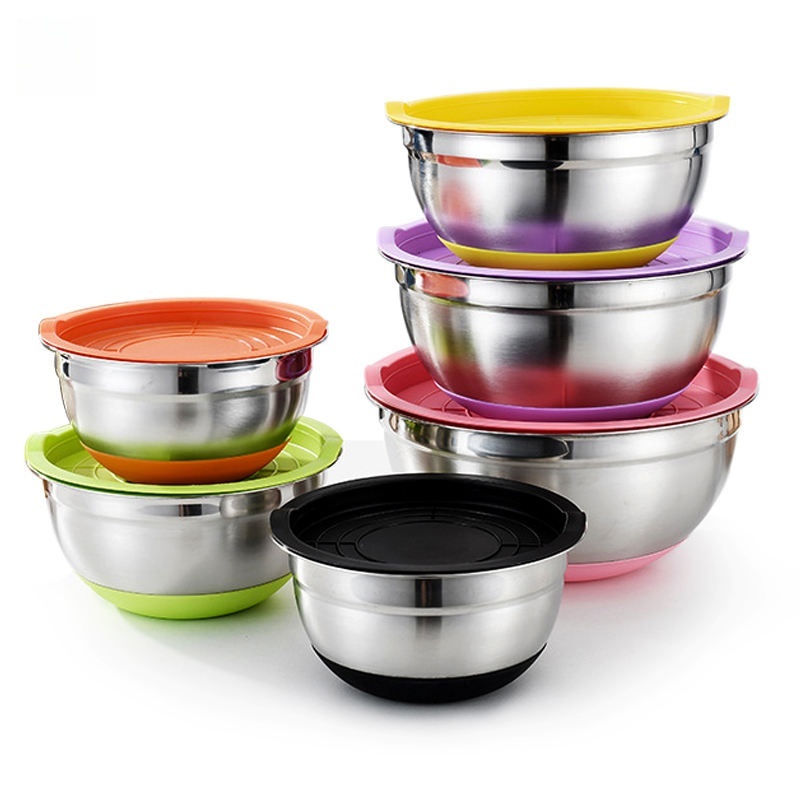
Should You Choose 201 or 304 Stainless Steel?
Material selection is one of the most important decisions in mixing bowl development because it directly influences cost structures, market positioning, and consumer perception.
201 stainless steel is widely used for value-oriented retail programs. It offers an attractive appearance, dependable durability for everyday household applications, and strong cost efficiency. For supermarkets and large-volume importers, 201 stainless steel often represents the optimal balance between affordability and functionality.
304 stainless steel, by contrast, is commonly associated with premium kitchenware positioning. Brands targeting specialty retailers, gift-oriented collections, or upscale consumers frequently select 304 stainless steel to reinforce their quality messaging.
| Evaluation Factor | 201 Stainless Steel | 304 Stainless Steel |
|---|---|---|
| Cost Efficiency | Excellent | Moderate |
| Appearance | Excellent | Excellent |
| Everyday Household Use | Suitable | Excellent |
| Mass Retail Programs | Ideal | Good |
| Premium Positioning | Moderate | Excellent |
| Amazon Mid-Range Programs | Excellent | Good |
Neither material is universally superior. The right choice depends on pricing strategies, competitive positioning, and the expectations of the target consumer segment.
For many retail programs, 201 stainless steel provides the best commercial value. Premium collections, however, may benefit from the marketing advantages associated with 304 stainless steel.
Single Mixing Bowls or Nesting Bowl Sets: Which Sells Better?
Another critical decision involves determining whether to offer individual bowls or coordinated sets. While both approaches have advantages, the intended retail channel should guide the final selection.
Single mixing bowls appeal to consumers seeking replacements or specific capacities for specialized tasks. They may also suit food brands and restaurant supply distributors.
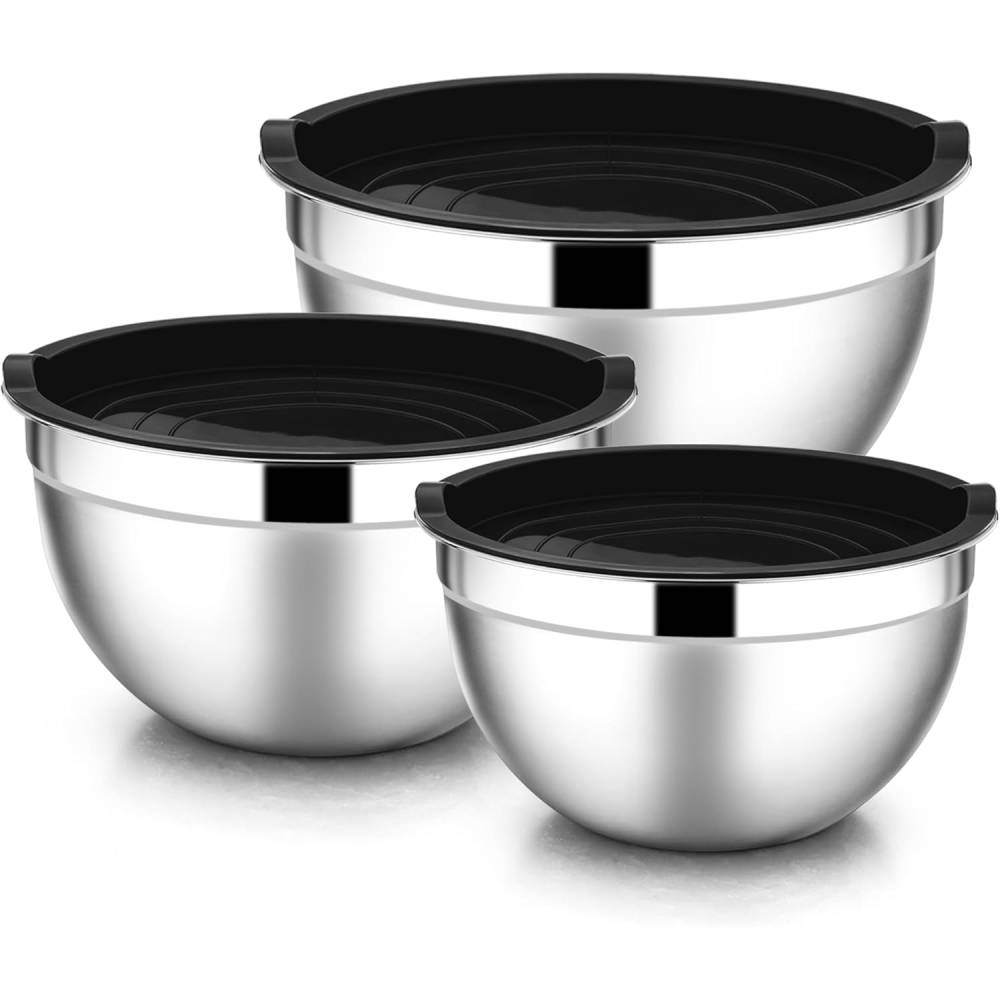
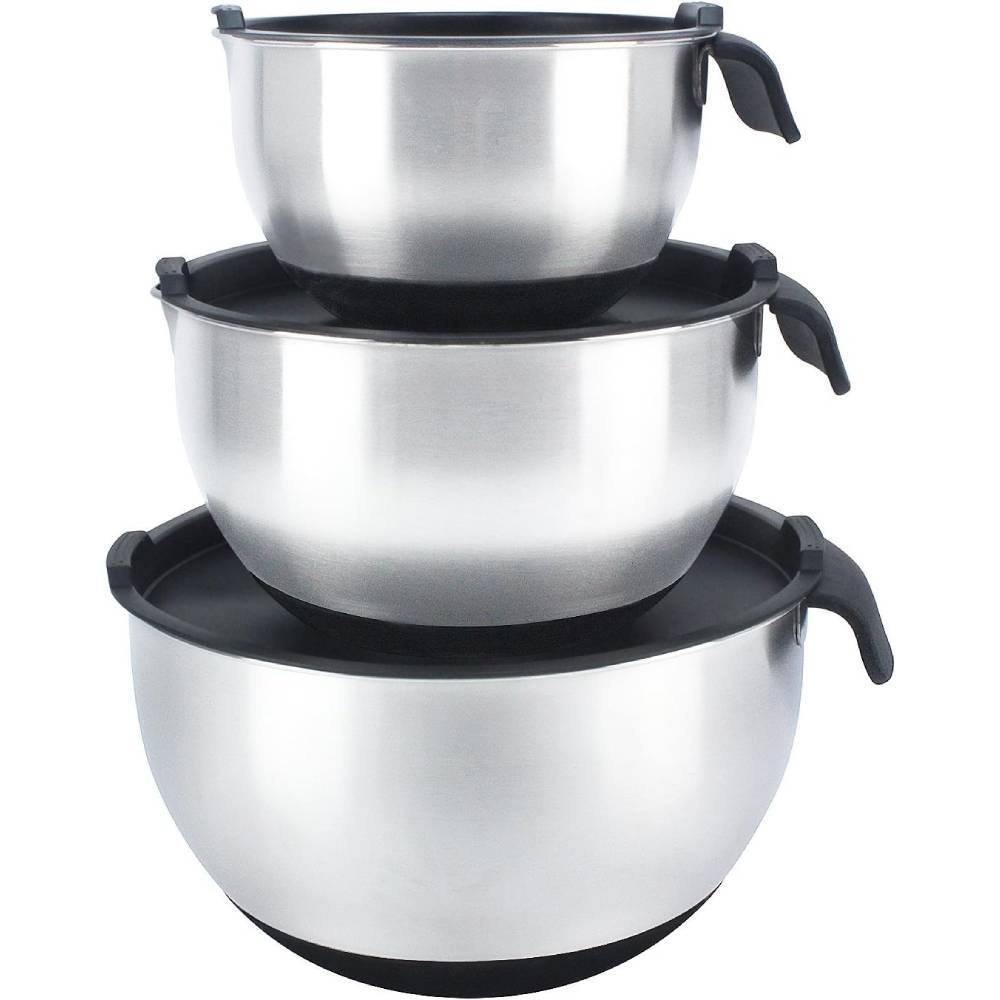
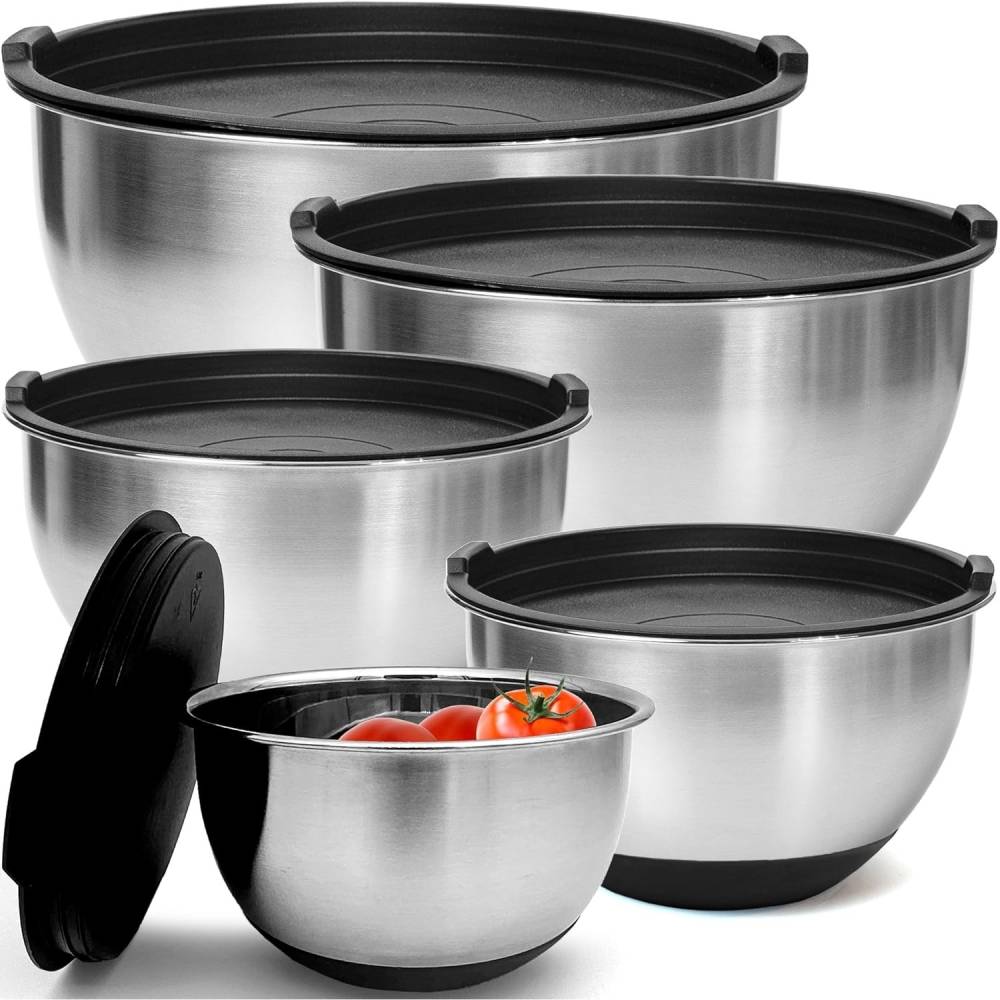
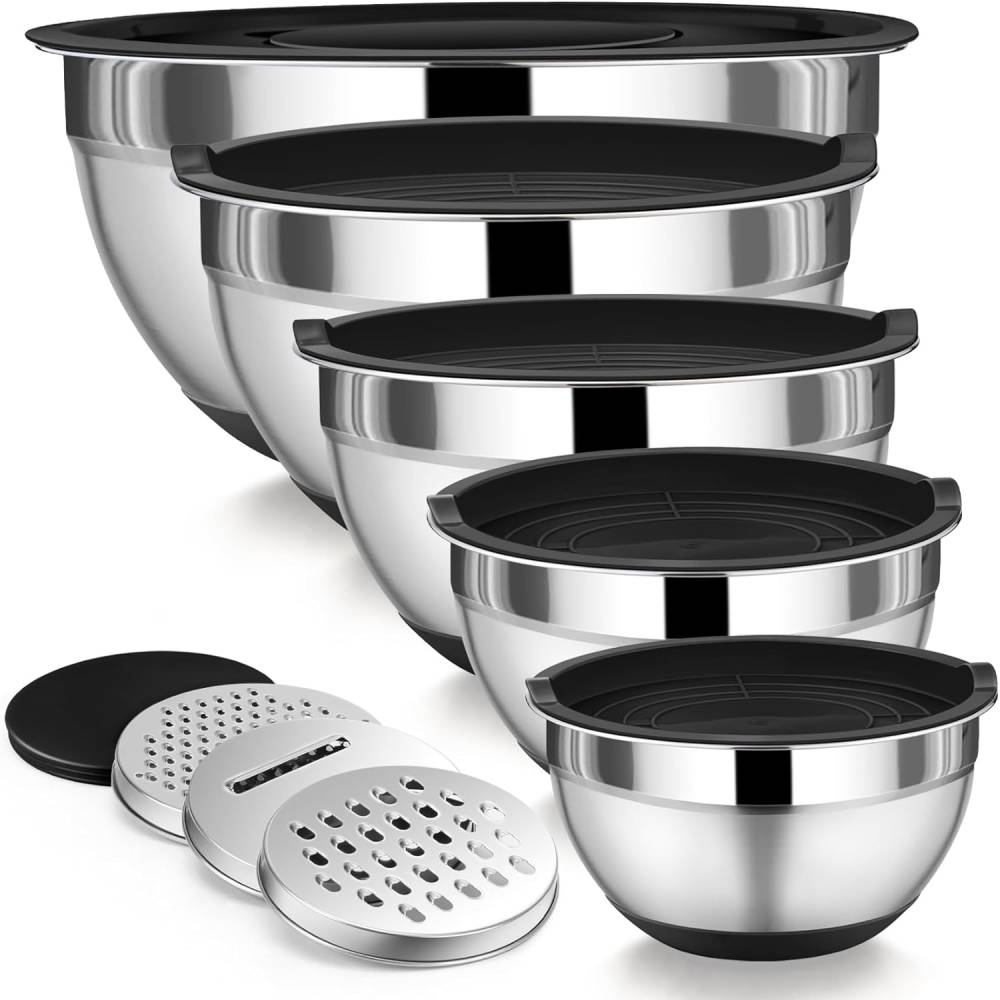
Nesting mixing bowl sets, however, often generate stronger retail performance because they deliver greater perceived value. Consumers appreciate the convenience of multiple bowl sizes that store efficiently within one another.
| Configuration | Typical Buyers | Retail Advantages |
|---|---|---|
| Single Bowl | Food brands, restaurant suppliers | Lower entry price point |
| 3-Piece Nesting Set | Supermarket programs | Broad household appeal |
| 5-Piece Nesting Set | Amazon sellers | Higher perceived value |
| Mixing Bowl Set with Lids | Premium retailers | Enhanced functionality |
| Custom Capacity Sets | Private label brands | Differentiation opportunities |
For Amazon sellers in particular, nesting sets frequently outperform individual bowls because they encourage higher average order values while simplifying inventory planning.
Homeware importers may also benefit from coordinating capacities into thoughtfully designed collections that support upselling strategies within broader kitchen organization categories.
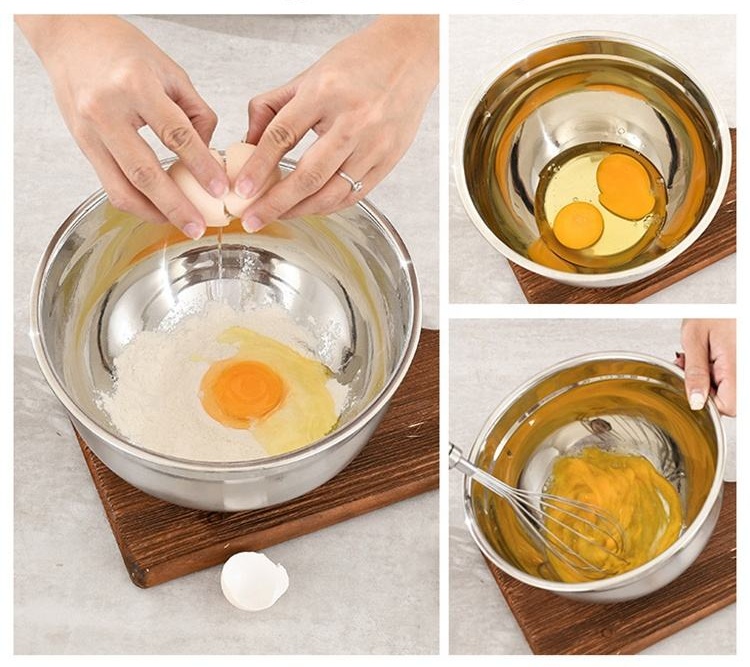
What Features Matter Most to Consumers?
Consumers increasingly expect kitchenware products to provide more than basic functionality. Features that simplify daily routines often contribute directly to stronger reviews and increased repeat purchasing.
Understanding these expectations enables Manufacturers and Suppliers to develop products that align more closely with market demand.
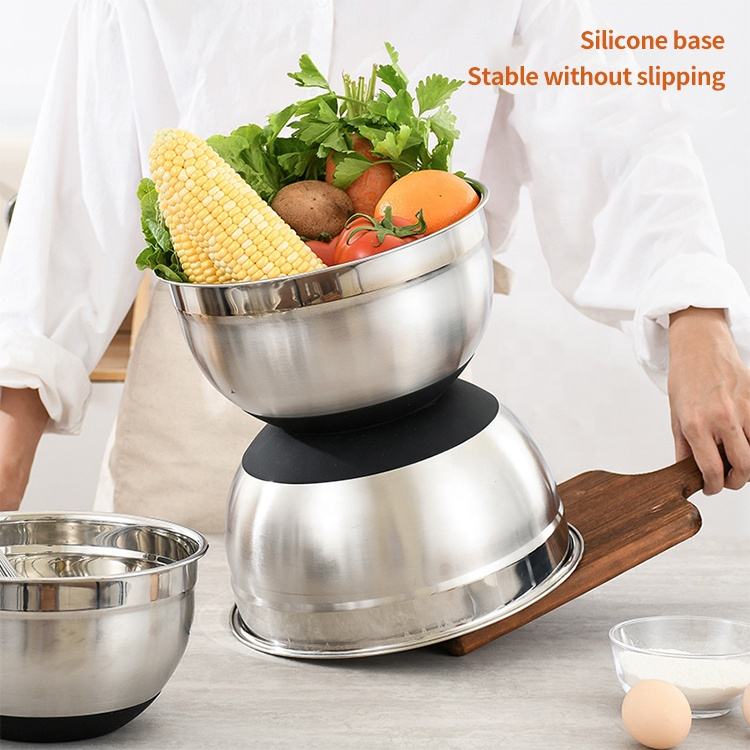
Non-Slip Silicone Bases
Silicone bottoms have become increasingly popular because they improve stability during mixing activities. Consumers appreciate bowls that remain securely positioned on countertops while whisking, stirring, or kneading ingredients.
For Amazon sellers, this feature can provide meaningful differentiation within highly competitive product listings.
Measurement Marks
Integrated measurement markings support convenience by reducing reliance on separate measuring tools. These markings are especially attractive to baking enthusiasts and consumers focused on efficient meal preparation.
Offering bowls with clear and durable measurement indicators can strengthen perceived functionality and improve user satisfaction.
Matching Lids
Mixing bowls with lids extend product utility beyond food preparation. Consumers can transition seamlessly from mixing ingredients to storing leftovers, marinating proteins, or refrigerating prepared foods.
This versatility often increases purchase justification while supporting premium pricing strategies.
Nesting Design
Space efficiency remains an important consideration, particularly among urban households where kitchen storage capacity may be limited.
Nesting configurations allow consumers to maximize cabinet organization without sacrificing access to multiple bowl sizes.
Comfortable Rim Design
Wide and well-finished rims improve handling during pouring and carrying. These subtle ergonomic details contribute significantly to everyday usability.
Manufacturers should prioritize designs that balance functionality with visual appeal.
How Can Product Features Improve Retail Performance?
Retail buyers often evaluate features primarily through the lens of consumer satisfaction and competitive positioning. The most successful mixing bowl programs combine practical functionality with compelling marketing narratives.
- Silicone bases support stability and ease of use.
- Measurement marks increase preparation efficiency.
- Lids expand product versatility.
- Nesting configurations address storage concerns.
- Multiple capacity options accommodate diverse cooking needs.
When these features align with target market expectations, they can strengthen product differentiation and support healthier retail margins.
For private label brands, combining several of these enhancements into a single coordinated offering may create stronger value propositions than competing products focused solely on price.
A versatile bowl enhances every meal. For professional inquiries on high-quality kitchenware, visit http://www.jmyesheng.com.