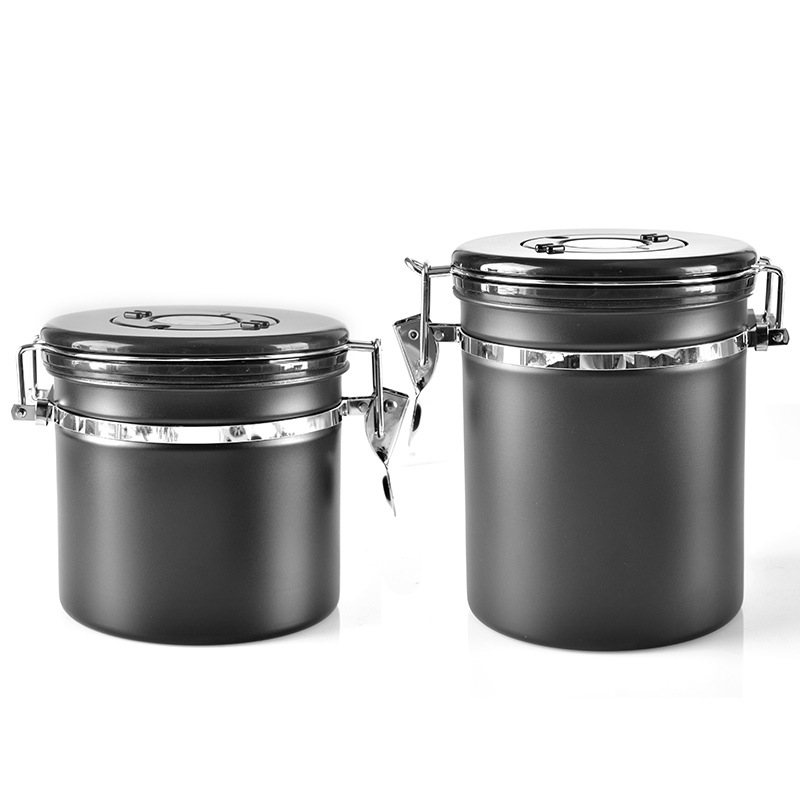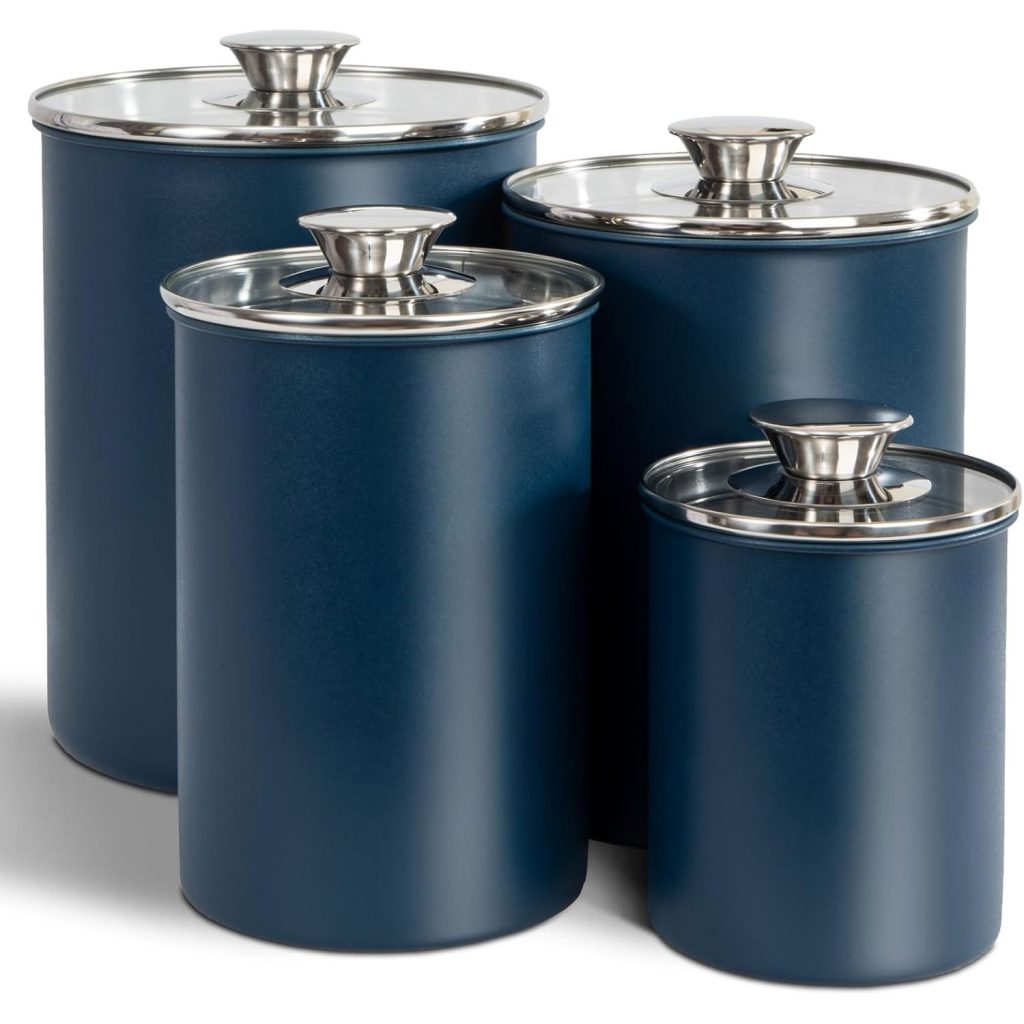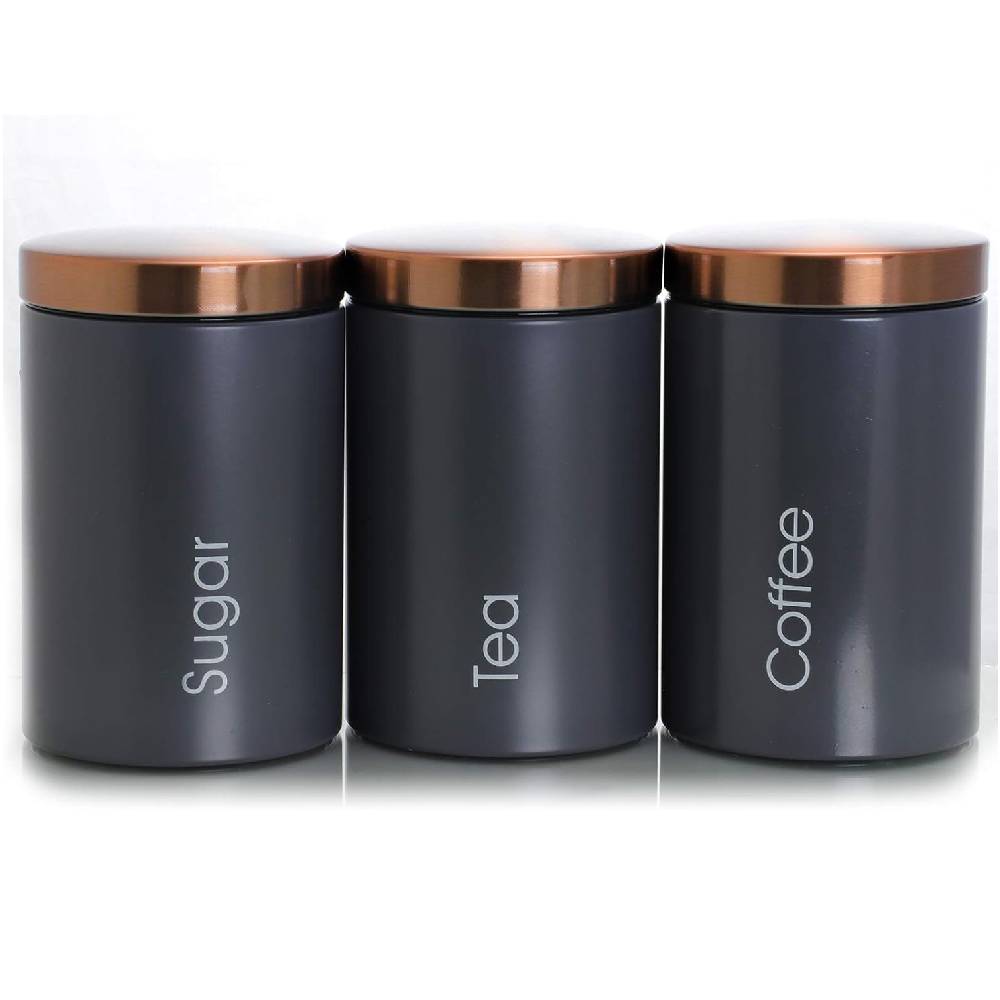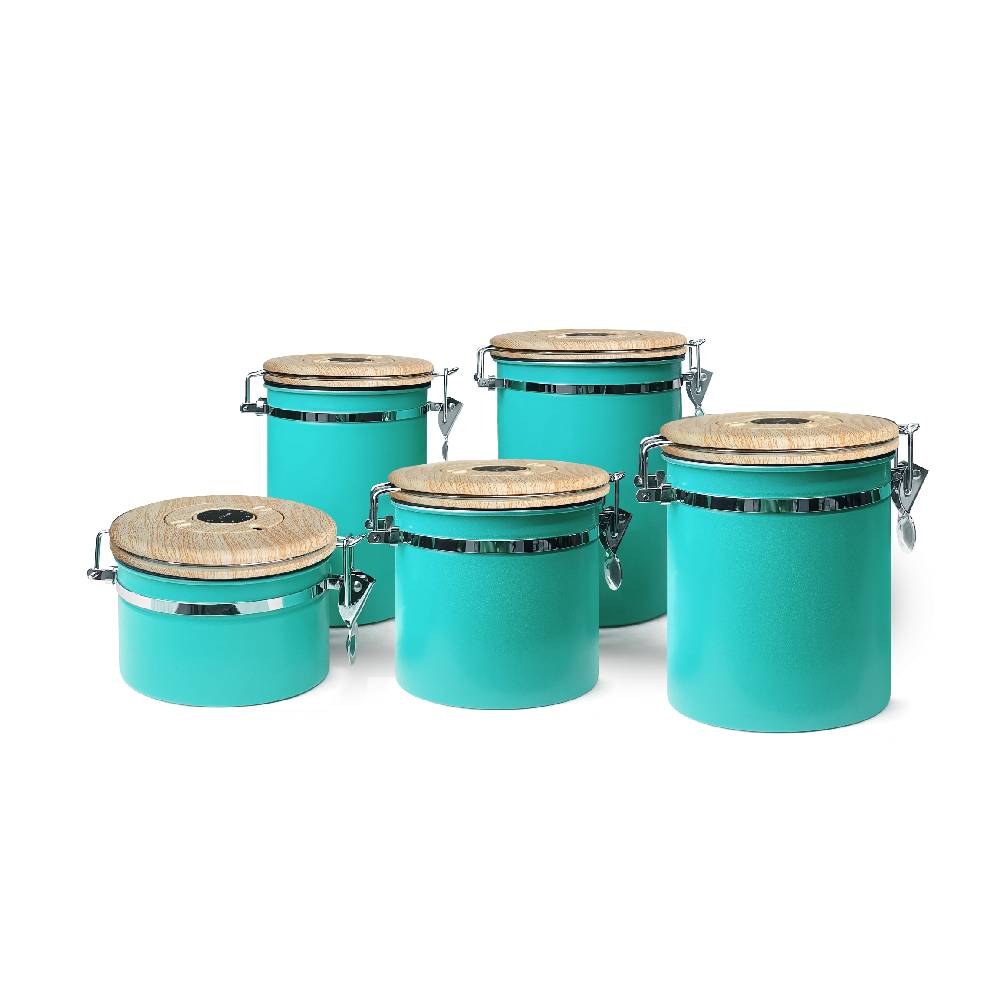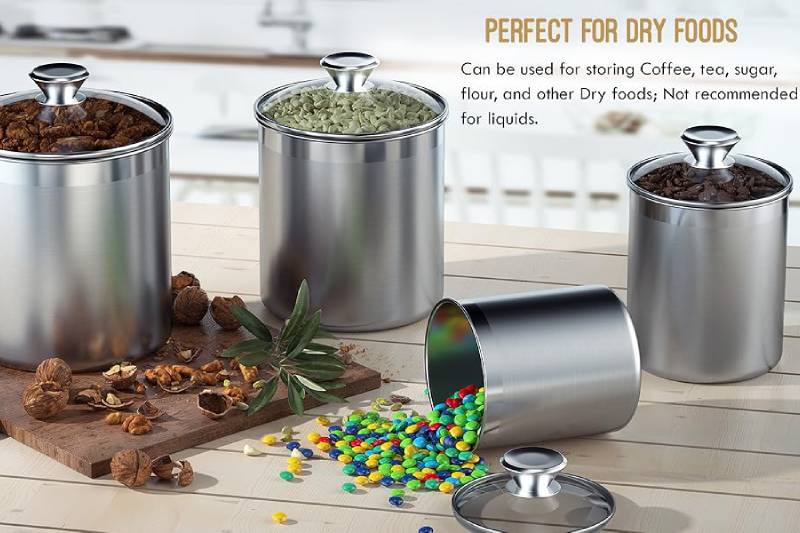
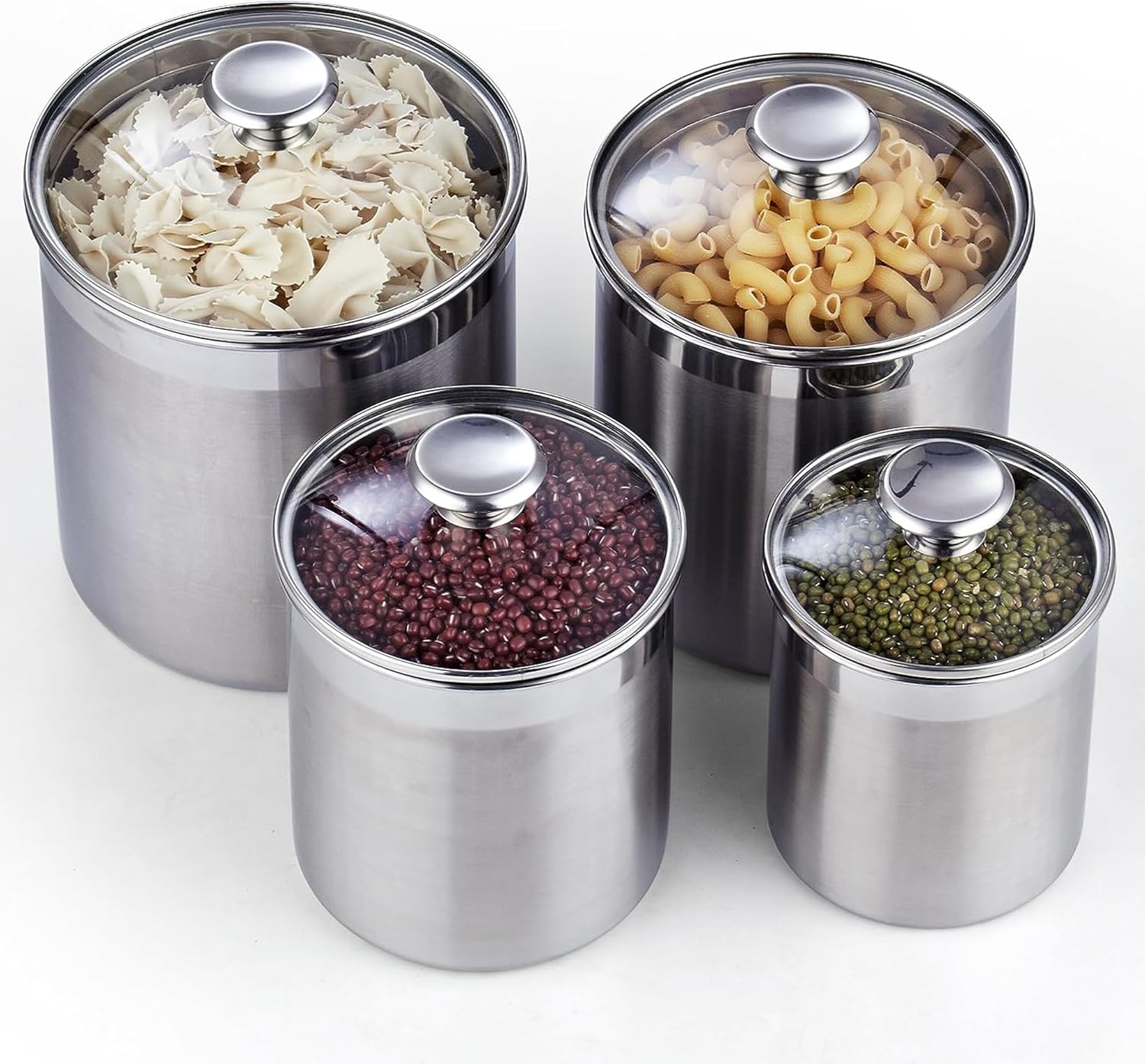
For kitchenware brands, importers, and retail buyers, selecting the right storage products is essential for building a competitive product collection. Among various kitchen storage solutions, stainless steel canisters have become an increasingly popular category due to their durability, modern appearance, and strong market acceptance.
However, choosing the right stainless steel canister for a retail program is not only about selecting an attractive design. Professional buyers need to consider material quality, sealing performance, product range, customization options, packaging requirements, and supplier capability.
Working with an experienced stainless steel canister manufacturer allows brands and distributors to develop reliable kitchen storage collections that meet different market demands. Whether you are sourcing products for supermarkets, homeware stores, online retail channels, or private label projects, understanding the key selection factors can help you make better purchasing decisions.
Why Stainless Steel Canisters Are a Valuable Category for Retail Brands
The kitchen storage market continues to evolve as consumers look for products that combine functionality, organization, and attractive design. Compared with traditional plastic containers, stainless steel canisters offer a more premium appearance and longer service life.
For retail brands, stainless steel canisters provide several advantages:
- Premium appearance that matches modern kitchen styles
- Durable construction suitable for long-term household use
- Easy cleaning and maintenance
- Strong product positioning in kitchen organization collections
- Suitable for coffee, tea, sugar, flour, spice, and dry food storage
Because of these advantages, stainless steel canisters are increasingly selected by kitchenware brands that want to expand their storage product categories with practical and visually appealing items.
Key Factors to Consider When Sourcing Stainless Steel Canisters
When purchasing stainless steel canisters for wholesale or retail programs, buyers should evaluate more than just the exterior design. The following factors directly influence product quality, customer satisfaction, and market competitiveness.
1. Stainless Steel Material Selection: 201 vs 304 Stainless Steel
Material selection is one of the most important decisions when sourcing stainless steel canisters. Different markets have different requirements regarding price positioning, durability expectations, and product positioning.
201 Stainless Steel Canisters: Cost-Effective Choice for Mass Retail
201 stainless steel is widely used for kitchenware products that require a balance between appearance, functionality, and cost efficiency.
For retail programs focusing on competitive pricing, supermarkets, and large-volume distribution, 201 stainless steel can be an excellent option.
Advantages include:
- Competitive production cost
- Good surface appearance
- Suitable durability for daily kitchen use
- Ideal for value-oriented retail programs
Many brands choose 201 stainless steel canisters when they need attractive kitchen storage products with strong price competitiveness.
 304 Stainless Steel Canisters: Premium Choice for Higher-End Markets
304 stainless steel is often selected for premium kitchenware collections because of its excellent corrosion resistance and higher-end positioning.
For brands targeting premium customers, specialty kitchen stores, or higher-quality product lines, 304 stainless steel canisters can provide additional value.
Advantages include:
- Excellent corrosion resistance
- Premium material perception
- Suitable for higher-end kitchenware collections
- Long-lasting performance
A professional stainless steel canister supplier should be able to provide different material options according to the target market and price range of each customer.
2. Sealing Performance and Lid Design
For storage products, sealing performance is a key factor that influences customer experience. A well-designed stainless steel canister should provide effective protection for stored ingredients.
When evaluating suppliers, buyers should pay attention to:
- Silicone gasket quality
- Lid fitting accuracy
- Air-tight sealing performance
- Ease of opening and closing
High-quality sealing systems help keep coffee, tea, sugar, flour, spices, and other dry ingredients fresh while improving the overall product value.
For retail brands, small details such as lid structure and sealing performance can make a significant difference in customer reviews and repeat purchases.
3. Product Sizes and Collection Planning
Retail buyers usually do not purchase only one single canister. Instead, they prefer complete kitchen storage collections that provide consistent design and multiple usage options.
A successful stainless steel canister product line may include:
- Coffee storage canisters
- Tea storage containers
- Sugar containers
- Flour storage canisters
- Multi-size kitchen storage sets
Choosing a supplier with flexible production capability allows brands to develop coordinated collections instead of isolated products.
An experienced OEM stainless steel canister manufacturer can support different capacity requirements and help customers create complete product series for retail markets.
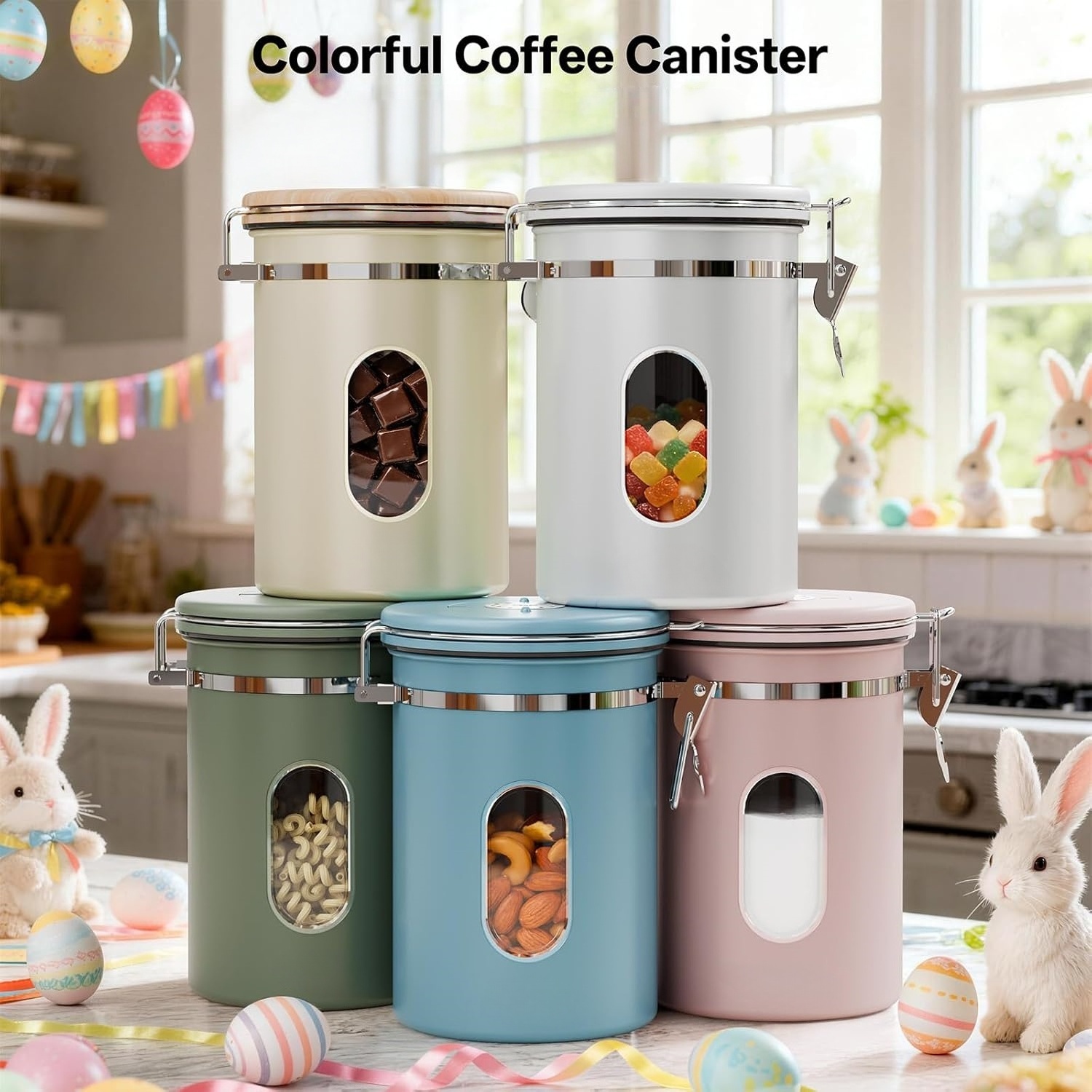
4. Surface Finish and Color Options for Different Retail Markets
The appearance of kitchen storage products plays an important role in purchasing decisions. For retail brands, stainless steel canisters are not only functional storage products but also part of modern kitchen decoration.
When selecting a stainless steel canister supplier, buyers should consider whether the manufacturer can provide different surface finishes and color options to match their brand positioning.
Common stainless steel canister finishing options include:
- Mirror polished finish for a bright and premium appearance
- Matte finish for modern and minimalist kitchen styles
- Brushed finish for a professional and elegant look
- Color coating options for customized retail collections
For brands that want to create a unique product identity, color customization can help stainless steel canisters stand out in competitive retail environments.
A customizable stainless steel canister manufacturer with strong production capability can support different design requirements, including customized colors, surface treatments, and appearance details.
5. Packaging Requirements for Retail and E-Commerce Programs
Packaging is another important factor that professional buyers should consider when sourcing stainless steel canisters.
For supermarket and retail programs, packaging needs to protect products during transportation while also creating an attractive shelf presentation. For online sales channels, packaging must provide additional protection against damage during delivery.
Important packaging considerations include:
- Individual gift box packaging
- Color box design
- Private label packaging
- Barcode and retail label requirements
- Export carton strength
A reliable OEM and ODM supplier should be able to provide complete packaging solutions according to different sales channels.
Why Work With an Experienced Stainless Steel Canister Manufacturer?
Choosing the right supplier is one of the most important steps when developing a kitchen storage product line. A professional manufacturer can provide more than product supply; they can become a long-term production partner for your brand.
When evaluating a stainless steel canister manufacturer, buyers should consider the following capabilities:
Stable Production Capability
A reliable factory should have professional production equipment, experienced workers, and a stable quality control process to ensure consistent product quality for every order.
For retailers and distributors, stable production capability helps reduce supply risks and maintain long-term market availability.
OEM and ODM Development Support
Many brands today are looking for products that are different from standard market designs. This is where OEM and ODM services become valuable.
Professional suppliers can help customers with:
- Custom logo printing or laser engraving
- Customized product colors
- New product development
- Customized packaging solutions
- Retail collection design support
For private label brands, working with an experienced stainless steel canister manufacturer makes it easier to create unique kitchen storage products that match their brand image.
Choosing Stainless Steel Canisters for Different Markets
Different regions may have different preferences regarding kitchen storage products. Understanding market requirements helps buyers select the right product specifications and positioning.
 European Market
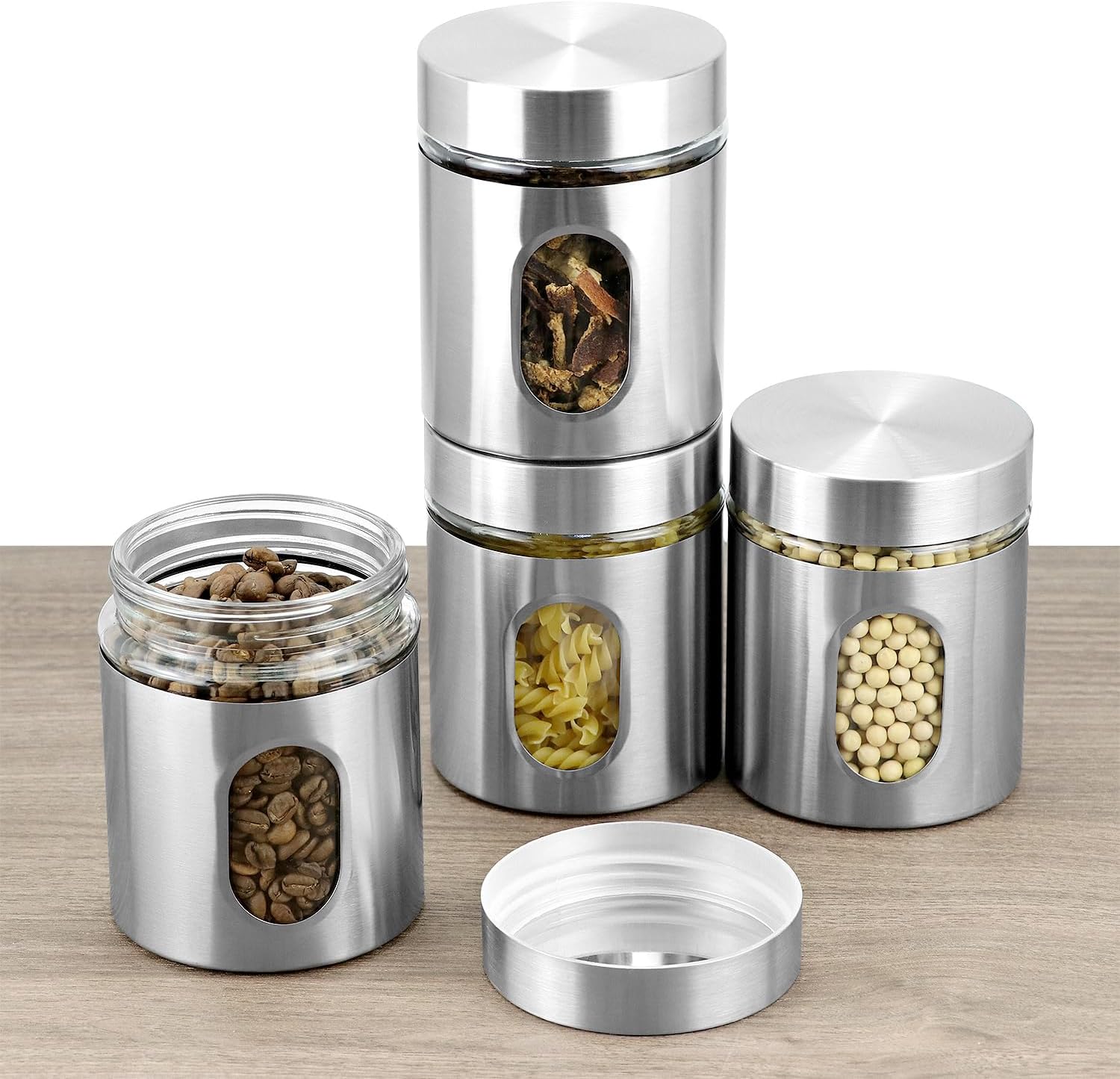
European consumers often prefer kitchen products with clean designs, practical functions, and premium appearance.
For this market, stainless steel canisters with minimalist designs, matte finishes, and high-quality materials are often attractive options.
North American Market
The North American market has strong demand for practical kitchen organization products. Consumers often value durability, larger capacities, and easy-to-use designs.
Retail programs targeting this market can consider complete storage collections including coffee, tea, sugar, and pantry storage solutions.
Australian Market
Australian buyers often focus on modern home styles, product durability, and good value. Stainless steel canisters with attractive designs and competitive pricing can fit well into kitchenware and home organization categories.
How to Select the Right Stainless Steel Canister Supplier
Before placing a wholesale order, buyers should carefully evaluate their potential supplier. A suitable supplier should not only provide competitive pricing but also understand product development, quality requirements, and market trends.
A professional supplier should offer:
- Manufacturing experience in stainless steel kitchenware
- Reliable quality control procedures
- Flexible MOQ options
- OEM and ODM customization services
- Support for private label projects
- Stable export experience
By choosing a capable supplier, brands can reduce product development risks and build a stronger kitchen storage product portfolio.
Conclusion: Build a Competitive Kitchen Storage Collection With the Right Supplier
Stainless steel canisters are becoming an important category for kitchenware brands, retailers, and distributors worldwide. However, selecting the right product requires careful consideration of material, design, sealing performance, customization capability, and supplier experience.
Whether you are developing a new kitchen storage collection or expanding an existing product range, working with a professional stainless steel canister manufacturer can help you create reliable products that meet different market requirements.
Jiangmen Yesheng specializes in stainless steel kitchenware manufacturing, providing OEM, ODM, and customizable solutions for global brands, importers, and retailers. With experience in stainless steel product development and export manufacturing, we help customers create competitive kitchen storage products for international markets.
If you are looking for a reliable stainless steel canister supplier for wholesale, private label, or customized projects, please visit:
www.jmyesheng.com