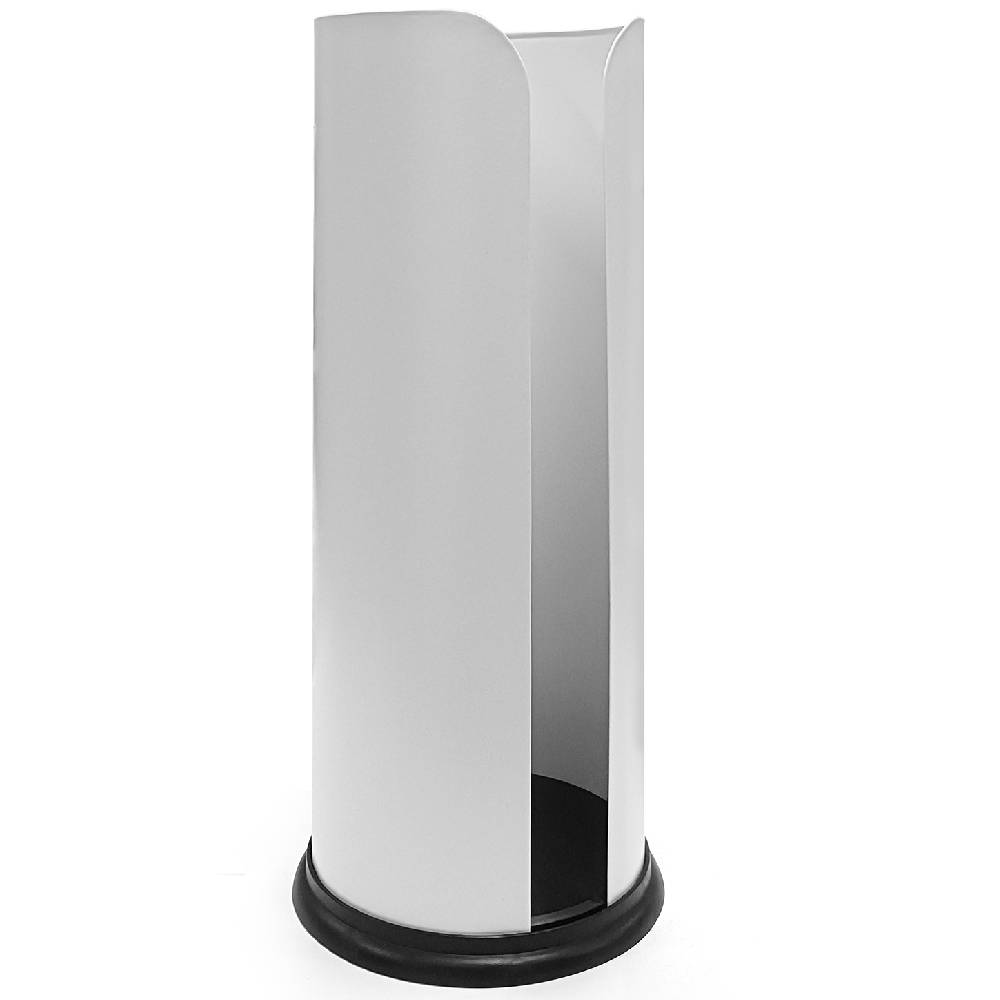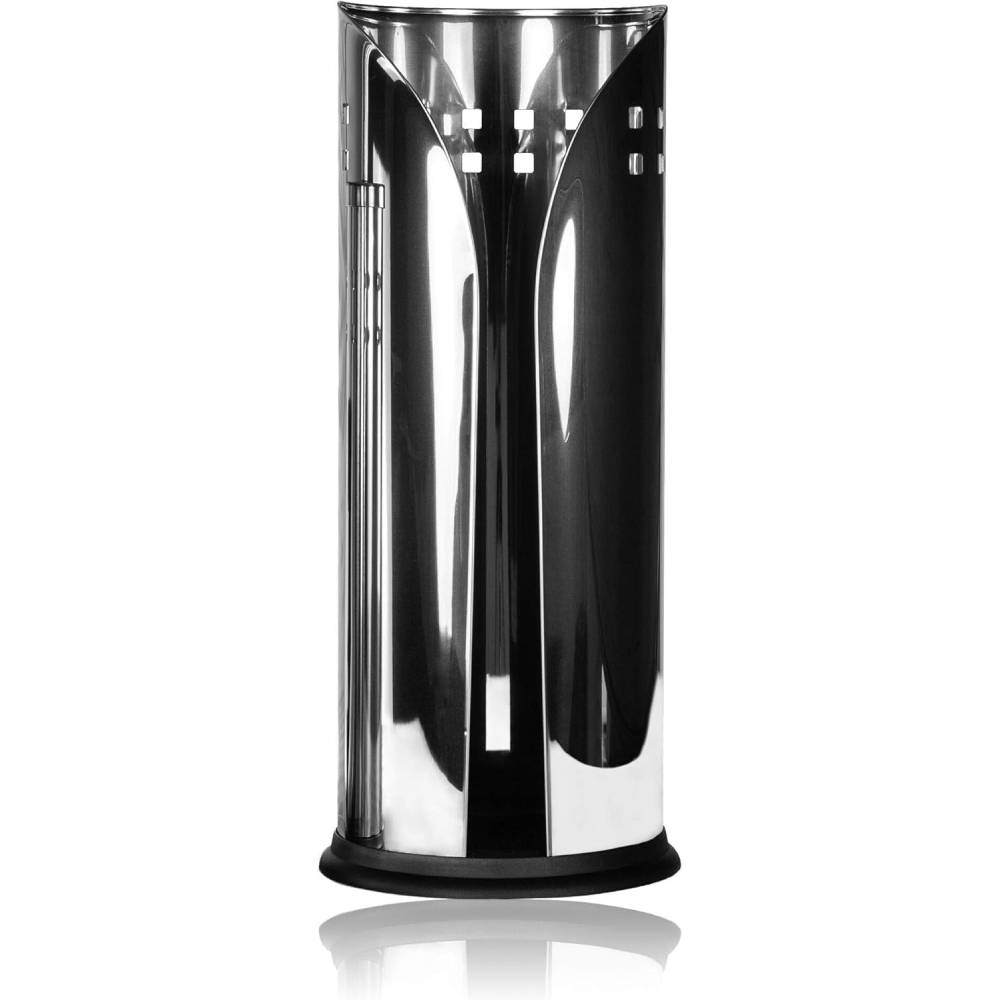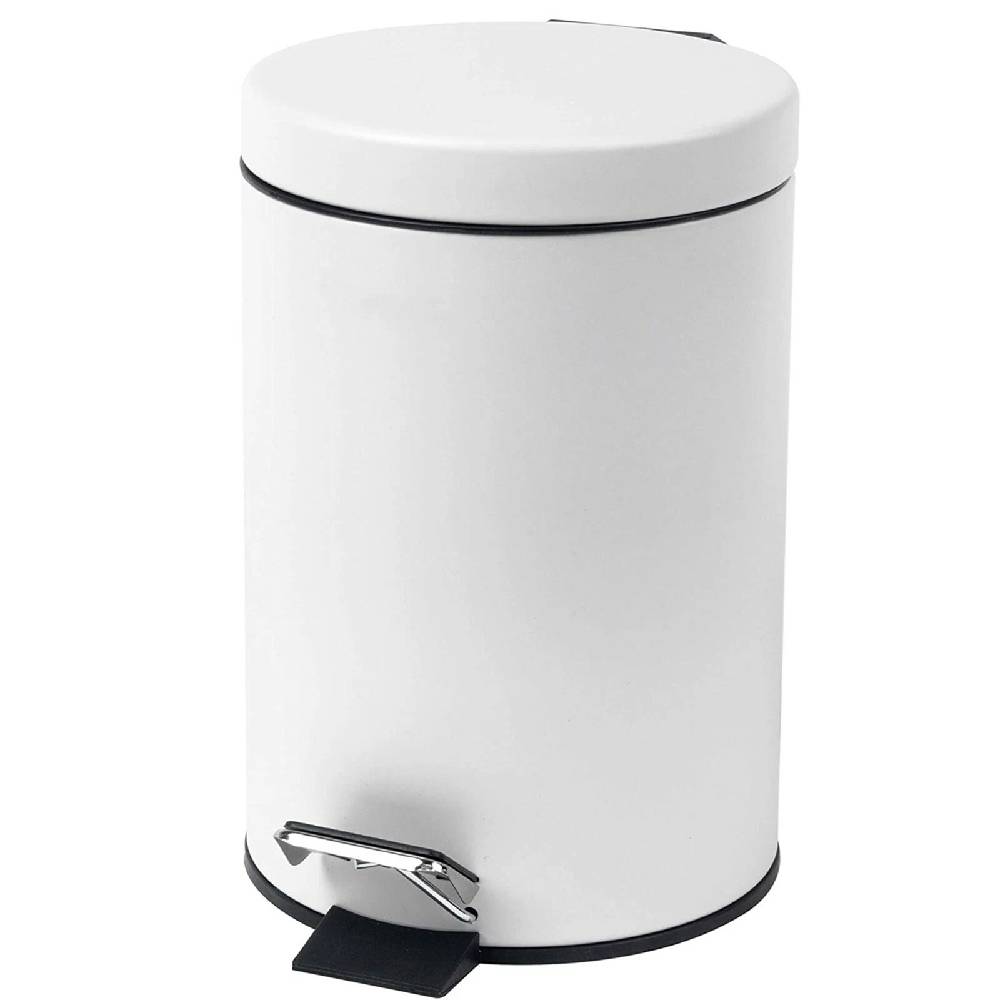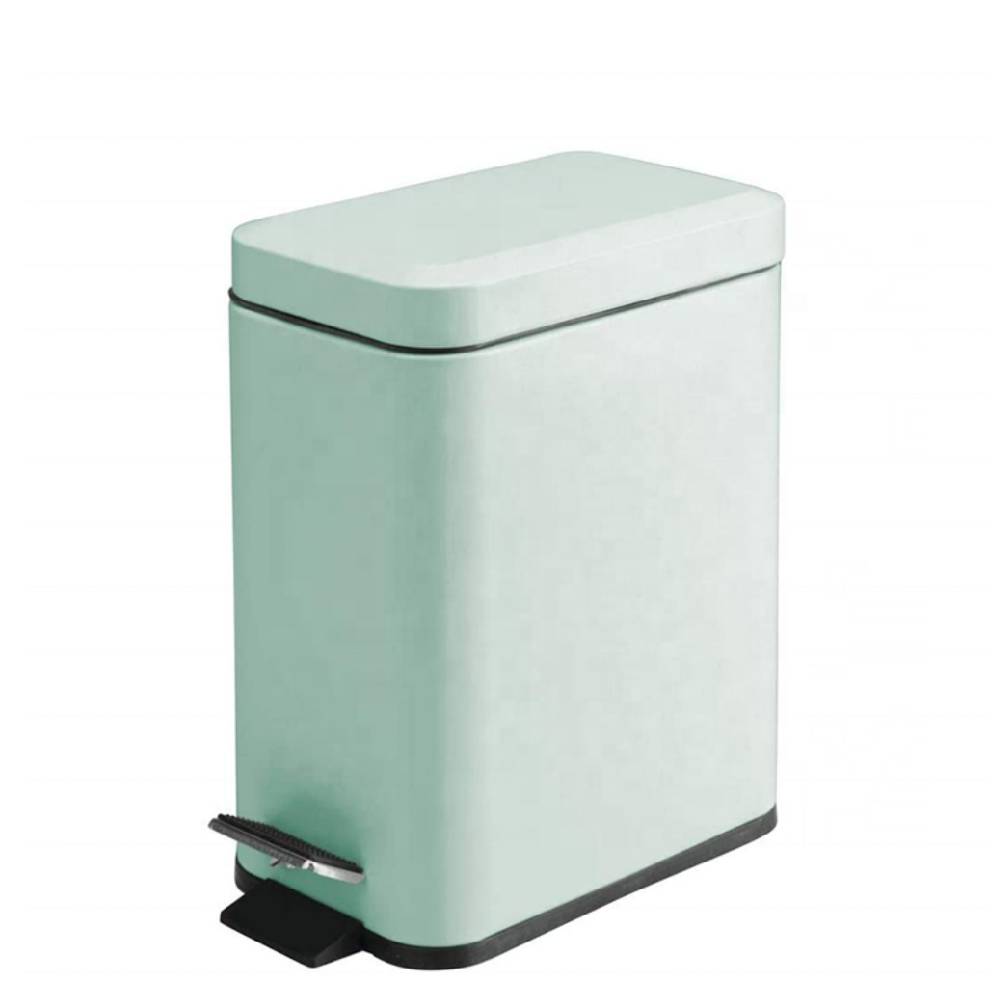
 For importers and retailers, a stainless steel bathroom set may look like a simple hardware purchase, but missing compliance documents can create serious risks. An unclear material declaration can delay approval, while incomplete test reports may complicate customer audits or market entry. The problem becomes more expensive when documents are requested after production. For a buyer, checking the right evidence before ordering is therefore essential.
The best standard is to request material declarations, relevant test reports, restricted-substance information, certificate scope and validity, and clear destination-market responsibility before purchasing. Yesheng can support buyers with a structured manufacturing and export process, helping align documentation with product and order requirements.
1. Material Declarations and Test Reports
A buyer should first establish exactly what the stainless steel bathroom set is made of and what evidence supports the stated material. For a Manufacturer or Supplier, clear product information makes later purchasing and compliance checks easier.
What Buyers Should Request
- Material grade or material specification for stainless steel components.
- Material declarations identifying the materials used in the product.
- Available test reports relevant to the product and destination market.
- Identification of components that may use plastics, coatings, rubber, adhesives or other materials.
- Product specifications that match the actual supplied model, rather than a similar product.
For example, Yesheng’s product information identifies 304 stainless steel for its French press coffee maker and 18/0 stainless steel for its bag saver. This illustrates why buyers should request product-specific material information rather than assuming that every stainless steel item uses the same grade.
Test Reports Should Be Checked for Relevance
A test report is useful only when its scope matches the product being purchased. Buyers should check the product model, tested materials, testing items, laboratory information and report date before accepting it as compliance evidence.
| Document | Buyer Check | Why It Matters |
|---|---|---|
| Material declaration | Material and grade match the order | Confirms product composition |
| Test report | Product and test scope match | Supports technical compliance review |
| Specification sheet | Model and construction are consistent | Connects documents with the actual item |
2. Food-Contact Scope Where Applicable
Not every bathroom product is a food-contact article, so buyers should avoid applying food-contact requirements automatically. However, when a product or component is also intended for food-related use, the compliance scope can change significantly.
Separate Product Uses Before Requesting Documents
- Confirm the intended use of each product.
- Identify whether any component directly contacts food or beverages.
- Determine the destination market and applicable requirements.
- Request supporting documentation specifically covering that use.
- Verify that the document scope corresponds to the material and finished product.
This distinction is particularly important for suppliers offering multiple stainless steel product categories. Yesheng’s product range includes kitchenware such as stainless steel salad bowls, canisters and French press coffee makers, as well as other household products. Buyers should therefore define the intended application instead of transferring compliance assumptions from one category to another.
3. Restricted-Substance and Packaging Questions
Compliance review should not stop at the main stainless steel body. A buyer should consider the complete product and its packaging, especially when the item contains multiple materials.
Questions to Ask the Supplier
- Are there coatings, paints, adhesives, plastics or rubber components?
- Are restricted substances relevant to any component or surface treatment?
- What packaging materials are used?
- Are packaging materials subject to destination-market requirements?
- Can the Supplier provide supporting declarations or reports where required?
For B2B buyers, these questions create a practical document trail. They also reduce the risk of discovering that a secondary component or packaging material needs additional review after production has started.
 A Practical Compliance File
A Wholesaler, importer or retailer can organize the documentation into one product file containing the purchase specification, material declaration, test reports, packaging information and applicable certificates. This makes internal review easier and provides a clearer reference when products are reordered or customized.
4. Certificate Scope, Issuer and Validity
One of the most common document-review mistakes is checking whether a certificate exists without checking what it actually covers. A professional buyer should evaluate the document itself rather than relying only on a Supplier’s statement that the product is certified.
Three Points to Verify
- Scope: Confirm that the certificate covers the relevant product, model, material or manufacturing activity.
- Issuer: Identify the organization that issued the document and determine whether it is appropriate for the stated certification or testing purpose.
- Validity: Check issue dates, expiry dates and any conditions affecting continued validity.
| Review Item | Basic Buyer Question | Action |
|---|---|---|
| Product identity | Does the document match the purchased model? | Confirm model or product scope |
| Issuer | Who issued the document? | Record issuer details |
| Validity | Is the document current? | Check dates before approval |
| Test scope | Were the relevant materials and requirements tested? | Review test items |
Yesheng has operated in stainless steel products since 2017 and established an independent import and export company in 2023 with independent export rights. Its production and export process therefore provides a basis for organizing product and export documentation around actual orders, although buyers should still confirm the specific documents required for each product and destination.
5. Destination-Market Responsibility
Compliance responsibility should be clarified before an order is placed. Requirements can differ between the USA, Canada, Australia, Europe and South America, and the party responsible for final market compliance should be clearly identified in the commercial process.
Build Responsibility into the Order
- Define the destination country before finalizing specifications.
- Identify which compliance documents the buyer requires.
- Confirm which party is responsible for market-specific compliance.
- Ensure customized or OEM products are covered by the agreed documentation scope.
- Review compliance requirements again when product materials, construction or packaging change.
For a buyer working with a Customizable OEM or ODM program, this final point is especially important. A logo change may be commercially simple, while a material, coating, component or packaging change may affect documentation. Compliance should therefore be treated as part of product specification management, not as a separate task completed only before shipment.
6. A Buyer Checklist Before Purchase
Before confirming a stainless steel bathroom set order, buyers can use the following process:
- Define the product model, intended use and destination market.
- Confirm stainless steel grades and other component materials.
- Request available material declarations and relevant test reports.
- Check restricted-substance and packaging requirements.
- Review certificate scope, issuer and validity.
- Clarify who is responsible for destination-market compliance.
- Save the approved documents together with the final product specification.
- Repeat the review when specifications or materials change.
For buyers researching stainless steel bathroom set compliance requirements, this approach creates a practical starting point without assuming that one certificate or one test report automatically covers every market. It also gives purchasing teams a clearer way to compare manufacturers and suppliers.
Conclusion
Buyers should verify compliance documents before placing an order, not after production. Request the right evidence, confirm its scope, and define market responsibility early. For product selection, OEM or ODM discussions, and quotations, Yesheng can support buyers through its integrated production and export process.