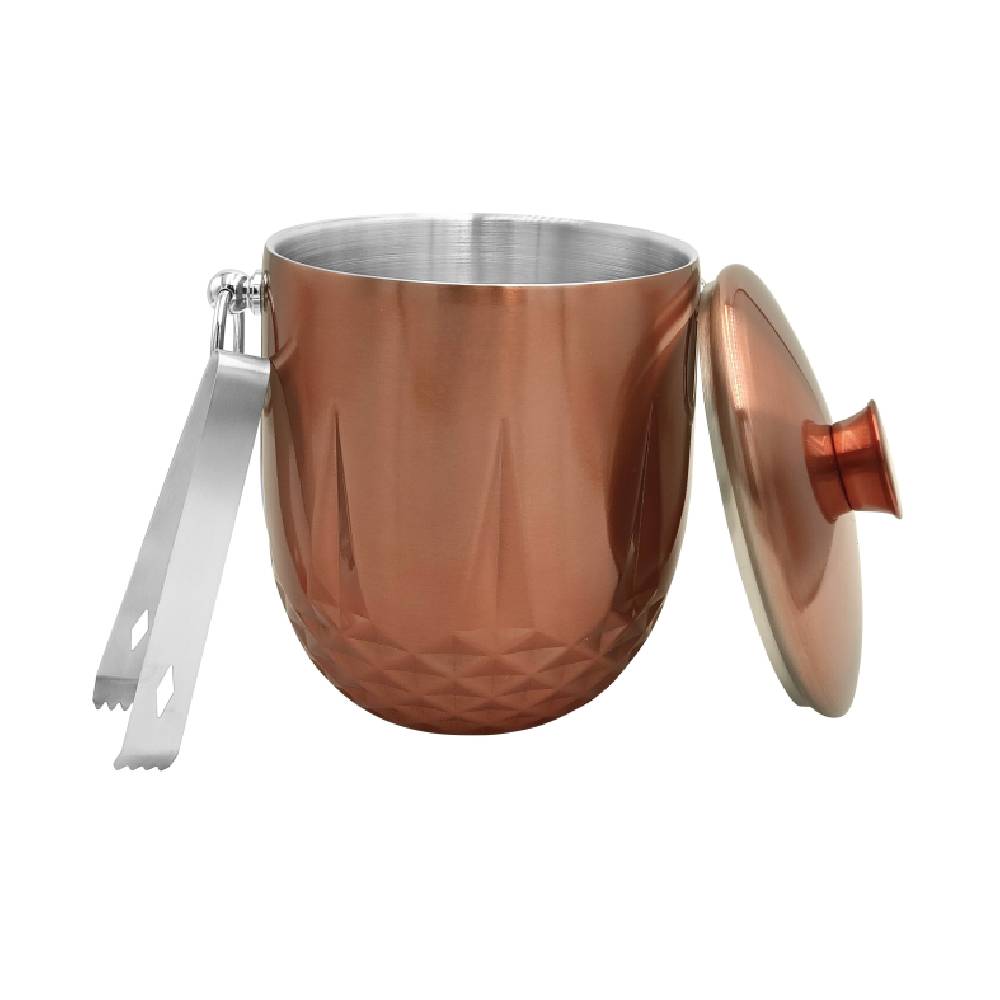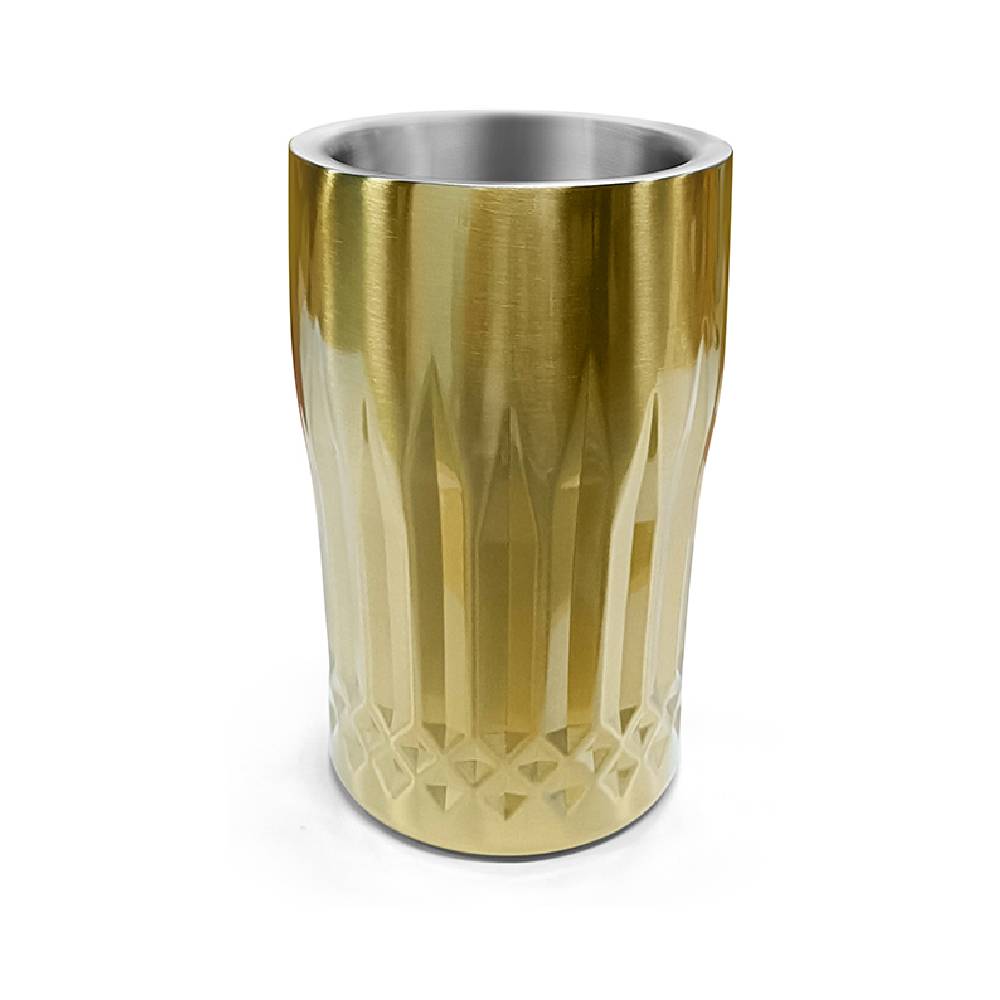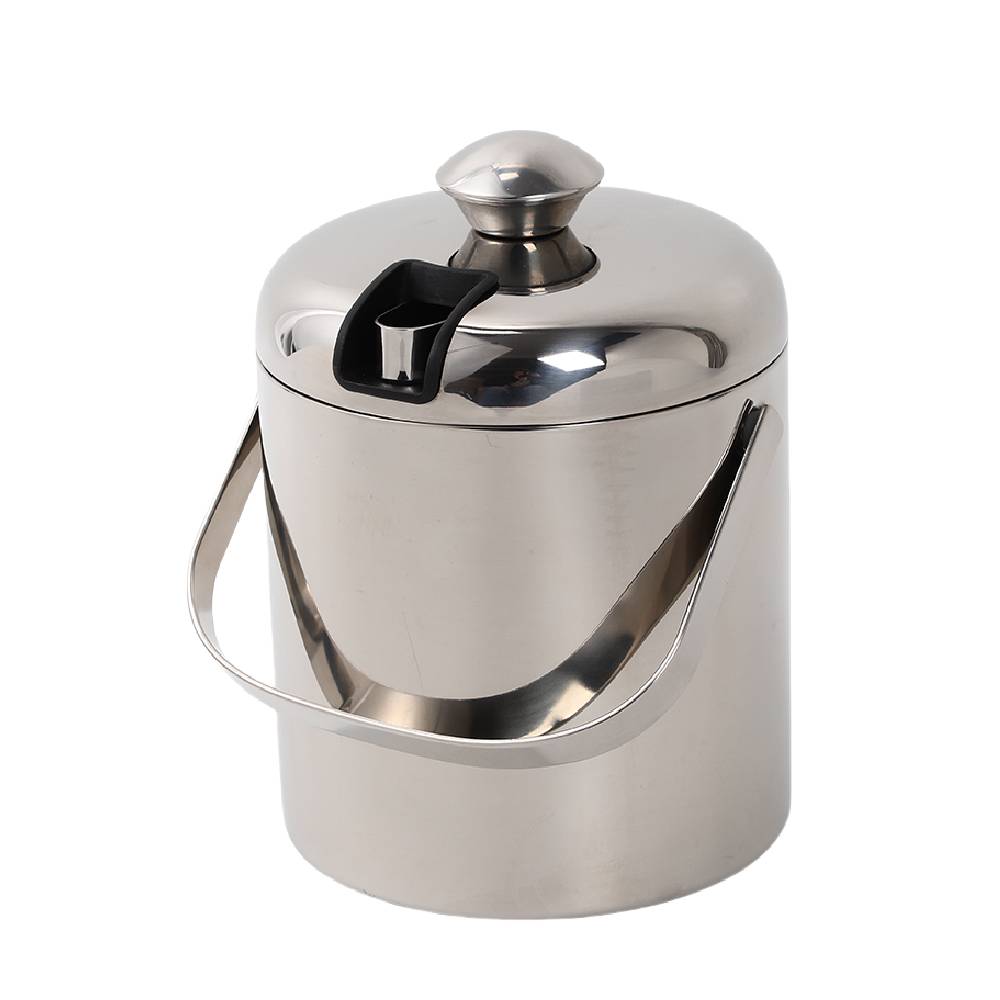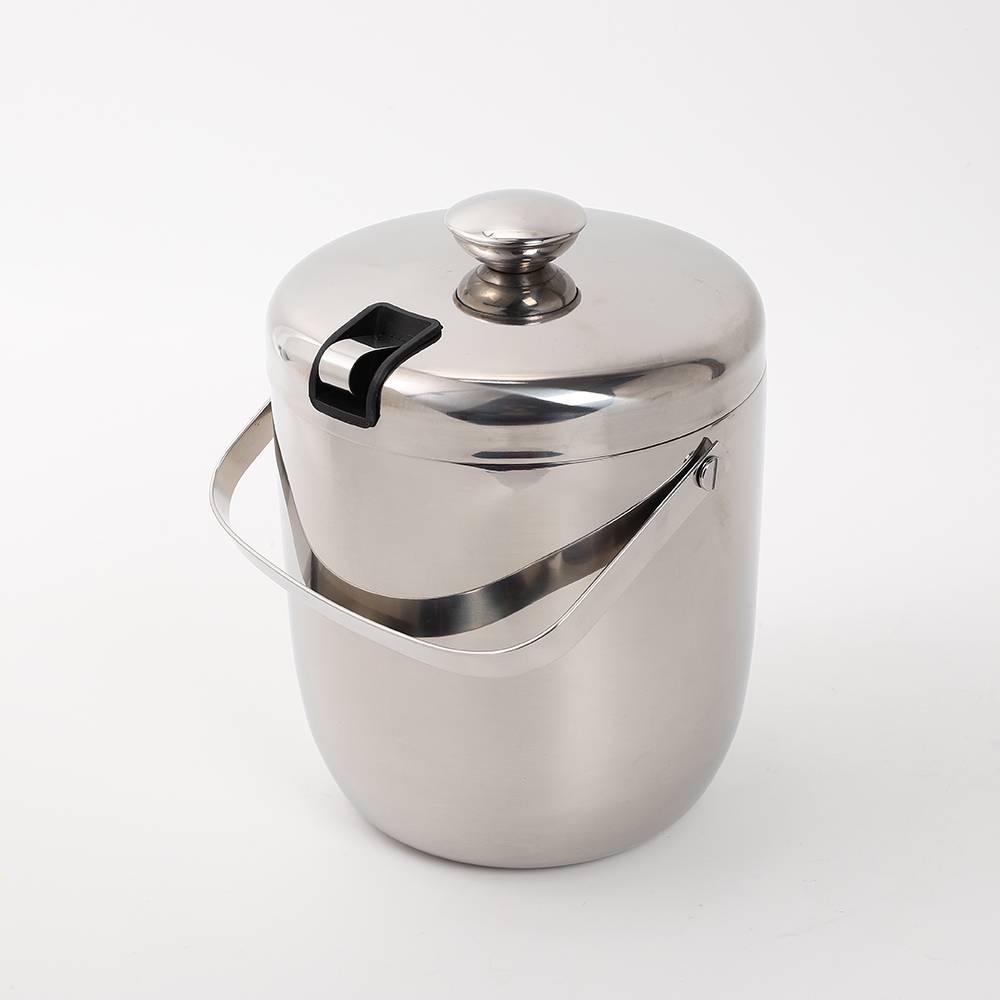
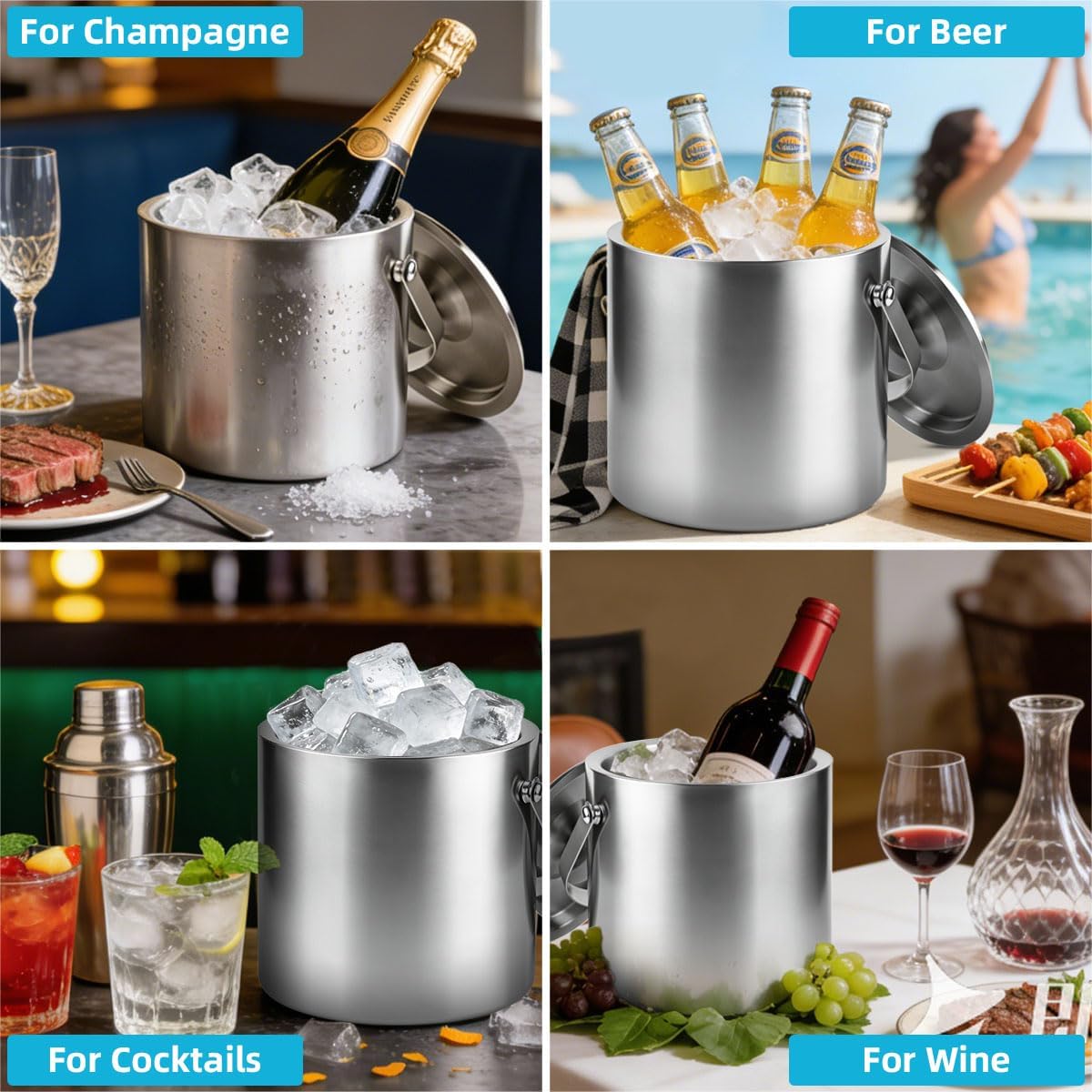
For wholesale stainless steel ice buckets, packaging is not simply a final production step. Dents, scratches, weak cartons, incorrect labels, or inefficient pack-outs can create claims, extra handling costs, and delays after export. For a buyer, these problems can damage retail presentation and reduce margins before the products even reach the shelf. A reliable Manufacturer or Supplier therefore needs a packaging plan that protects the metal finish, supports efficient logistics, and matches the buyer’s labeling and distribution requirements.
Wholesale stainless steel ice bucket packaging should combine scratch and dent protection, suitable retail and master cartons, accurate barcodes and shipping marks, efficient container utilization, and a documented approval process. Yesheng, an experienced stainless steel products Manufacturer, can discuss Customizable, OEM, and ODM packaging requirements for different wholesale channels.
Retail Box and Master-Carton Options
The right packaging structure depends on where the ice bucket will be sold and how it will move through the supply chain. A retailer may need an attractive individual box, while an importer or Wholesaler may prioritize carton strength, pallet efficiency, and easy warehouse identification.
Retail Packaging
An individual retail box can provide product protection while creating space for branding, product information, barcode placement, and usage instructions. For a premium stainless steel product, the packaging should also reflect the appearance and positioning of the product.
- Use a box size that fits the ice bucket without excessive empty space.
- Provide internal support around handles, rims, and other exposed areas.
- Keep the stainless steel surface separated from abrasive packaging materials.
- Reserve clear areas for retail barcodes, logos, product descriptions, and required labels.
- For OEM or ODM programs, confirm artwork, dimensions, and print specifications before mass production.
Master Cartons
The master carton should balance protection, handling convenience, and shipping efficiency. Overly large cartons increase unused volume, while undersized cartons can increase pressure on the retail packaging and product surface.
| Packaging Level | Main Objective | Buyer Consideration |
|---|---|---|
| Individual retail box | Presentation and product protection | Branding, barcode, dimensions, appearance |
| Inner pack | Grouping and additional protection | Quantity, handling, separation |
| Master carton | Export handling and logistics | Strength, carton marks, stackability, volume |
For stainless steel ice bucket packaging wholesale projects, the Supplier and buyer should agree on the packaging hierarchy before the quotation is finalized. This helps prevent unexpected changes in carton dimensions, packing quantity, and shipping calculations.
 Protection Against Dents and Scratches
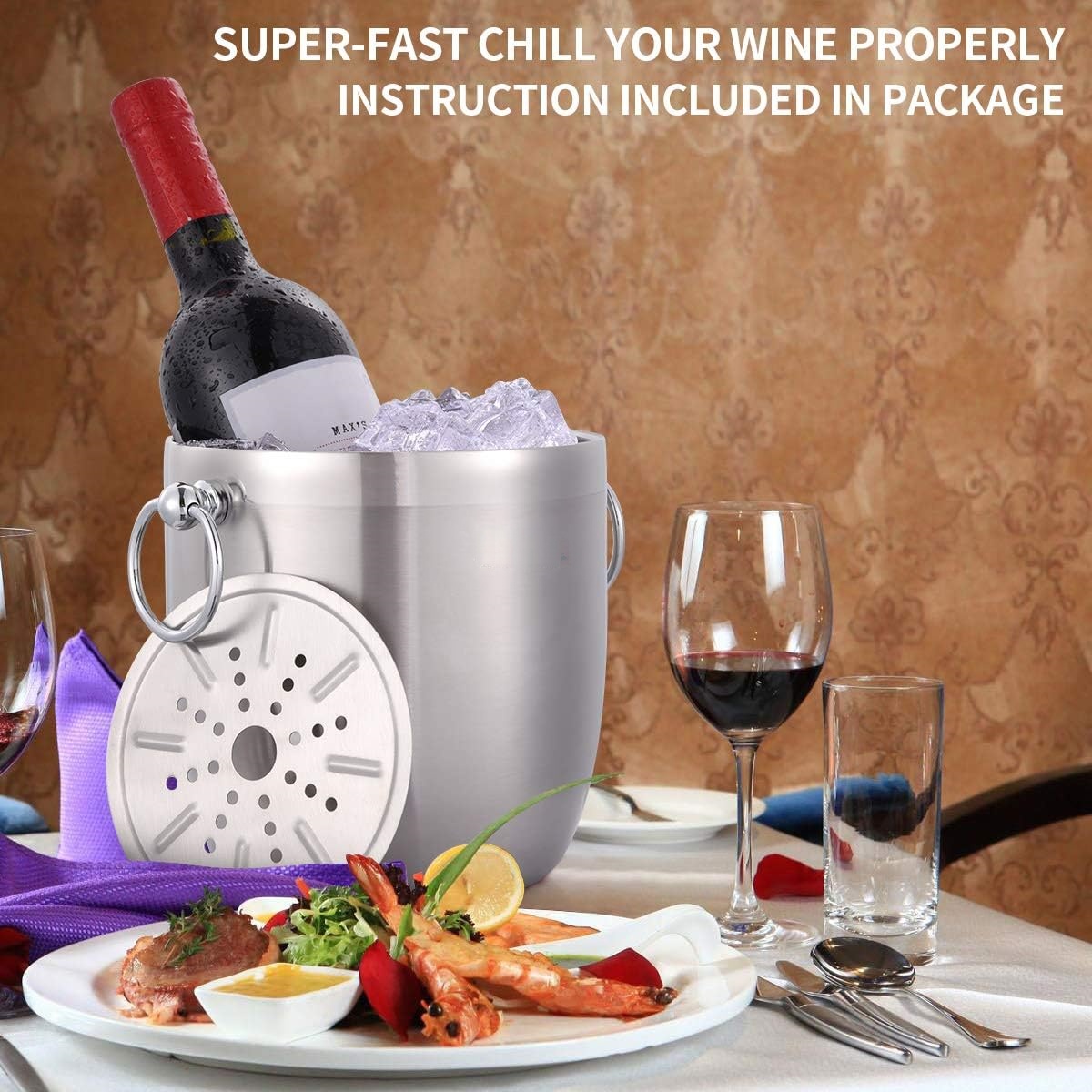
Stainless steel products can arrive in good functional condition but still become commercially unacceptable if their visible surfaces are scratched or dented. Packaging should therefore address both impact protection and surface-to-surface friction.
Common Protection Points
- Body: Use an appropriate protective layer to reduce friction during transportation.
- Rim: Add sufficient cushioning where pressure could affect the visible edge.
- Handle: Prevent the handle from striking adjacent products or the carton wall.
- Accessories: Separate removable components so they do not rub against the stainless steel body.
- Inner carton: Prevent excessive movement inside the master carton.
Packaging Test Checklist
- Check whether the product can move freely inside the retail package.
- Inspect contact points between the ice bucket and internal packaging.
- Confirm that handles and rims have adequate protection.
- Review the master-carton arrangement for pressure and movement.
- Conduct practical handling or transport tests appropriate to the buyer’s distribution conditions.
- Inspect the product after testing for dents, scratches, deformation, or packaging failure.
Yesheng has operated in stainless steel products since 2017 and has established hardware production capabilities covering multiple forming, punching, welding, cutting, die-casting, and rolling processes. This manufacturing background allows packaging discussions to be connected with the physical characteristics and production requirements of stainless steel products. :contentReference[oaicite:0]{index=0}
Barcode, Label and Carton-Mark Requirements
Export packaging must communicate clearly with warehouses, retailers, distributors, and logistics providers. Packaging artwork should therefore be reviewed as part of the order rather than treated as a last-minute printing task.
 Retail Label Information
- Brand or OEM brand name
- Product name and model number
- Barcode or SKU information
- Color or finish identification where applicable
- Quantity or unit information where required
- Country-of-origin information when required by the destination market
- Care or handling information where appropriate
Master-Carton Marks
- Buyer or brand name
- Product model or SKU
- Quantity per carton
- Carton number, when required
- Gross and net weight, when specified
- Carton dimensions, when specified
- Destination or shipping references required by the buyer
Because requirements can differ between markets and retail systems, the final label specification should come from the buyer or importing party. A Supplier should not assume that one barcode or carton-mark format works for every customer.
Pack-Out and Container-Efficiency Checks
Packaging directly influences logistics cost. A packaging design that protects the product but leaves excessive unused space may increase freight expenditure. Conversely, maximizing quantity without adequate protection can increase damage risk. The objective is to find a practical balance.
| Check | What to Review | Why It Matters |
|---|---|---|
| Pack quantity | Units per retail, inner, and master carton | Warehouse handling and order planning |
| Carton dimensions | Length, width, and height | Freight volume and container utilization |
| Product orientation | Stable and repeatable placement | Protection and packing consistency |
| Empty space | Unnecessary gaps inside cartons | Reduces avoidable volume |
| Carton weight | Total packed weight | Manual handling and logistics planning |
A Practical Pack-Out Review
- Confirm the final product dimensions and packaging components.
- Calculate the proposed units per master carton.
- Check carton dimensions and approximate shipping volume.
- Review whether the arrangement protects the product during normal handling.
- Compare alternative carton quantities when order volume justifies optimization.
- Confirm the final configuration with the buyer before mass packaging.
For importers and Wholesalers, this step is particularly useful because packaging decisions can affect both landed cost and warehouse efficiency. Yesheng operates its own import and export company with independent export rights, supporting a production-to-export process for international customers. :contentReference[oaicite:1]{index=1}
Packaging Approval Workflow
A clear approval workflow reduces misunderstandings between the Manufacturer, buyer, packaging supplier, and logistics team. It is especially important for Customizable, OEM, and ODM orders, where packaging may carry the buyer’s own branding and retail specifications.
Recommended Approval Steps
- Confirm requirements: Define product dimensions, packaging levels, quantity per carton, labeling, barcode, and carton-mark requirements.
- Develop the packaging proposal: Select the retail box, internal protection, master carton, and preliminary pack-out.
- Review artwork: Check logos, colors, product information, barcodes, warning information, and shipping marks.
- Check physical samples: Confirm product fit, protection, appearance, and handling.
- Review logistics efficiency: Evaluate carton dimensions, packing quantity, weight, and container utilization.
- Obtain buyer approval: Record the approved packaging specification before mass production.
- Control mass production: Ensure production packaging follows the approved version and communicate any necessary changes before implementation.
Buyer Approval Checklist
- Retail box size approved
- Master-carton size approved
- Pack quantity confirmed
- Barcode information verified
- Artwork and logo approved
- Internal protection confirmed
- Carton marks confirmed
- Final pack-out checked
- Shipping information aligned
A structured approval process is also useful when sourcing multiple stainless steel products from one factory. Yesheng’s product portfolio includes stainless steel kitchenware such as salad bowls, canisters, French press coffee makers, bag savers, and trash cans, while its production facilities include 26 punching machines, 19 hydraulic presses, welding, cutting, die-casting, and rolling equipment. :contentReference[oaicite:2]{index=2}
Choosing a Packaging Partner for Wholesale Orders
For buyers evaluating a stainless steel ice bucket Supplier, packaging capability should be considered together with production capability, communication, export experience, and customization support. The best packaging solution is not necessarily the most expensive one; it should provide suitable protection while supporting the buyer’s retail and logistics model.
- Manufacturer capability: Can the factory coordinate product and packaging requirements?
- Customization: Can the packaging support the buyer’s branding and specifications?
- OEM and ODM support: Can product and packaging requirements be developed together?
- Export process: Can the Supplier manage the transition from production to international shipment?
- Quality focus: Is packaging reviewed as part of the overall product quality process?
- Communication: Can specifications and approvals be clearly documented?
Yesheng was established in 2017 and focuses on stainless steel products for European and American markets. Its own import and export company, established in 2023, provides independent export rights and supports one-stop production, procurement, and sales processes. :contentReference[oaicite:3]{index=3} :contentReference[oaicite:4]{index=4}
Conclusion
For stainless steel ice bucket packaging wholesale, the right solution balances protection, presentation, labeling, and logistics efficiency. Buyers can share their product specifications and target market with Yesheng to discuss Customizable, OEM, or ODM packaging options and request a suitable quotation.