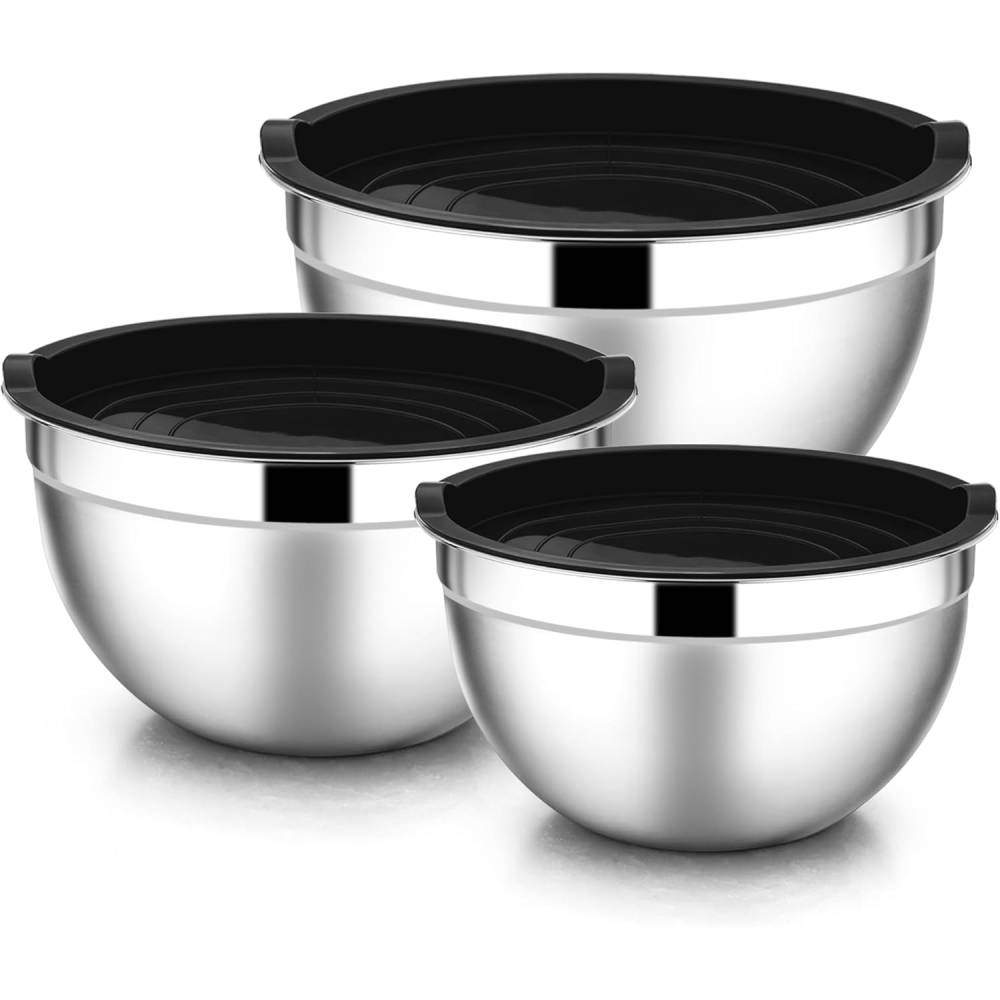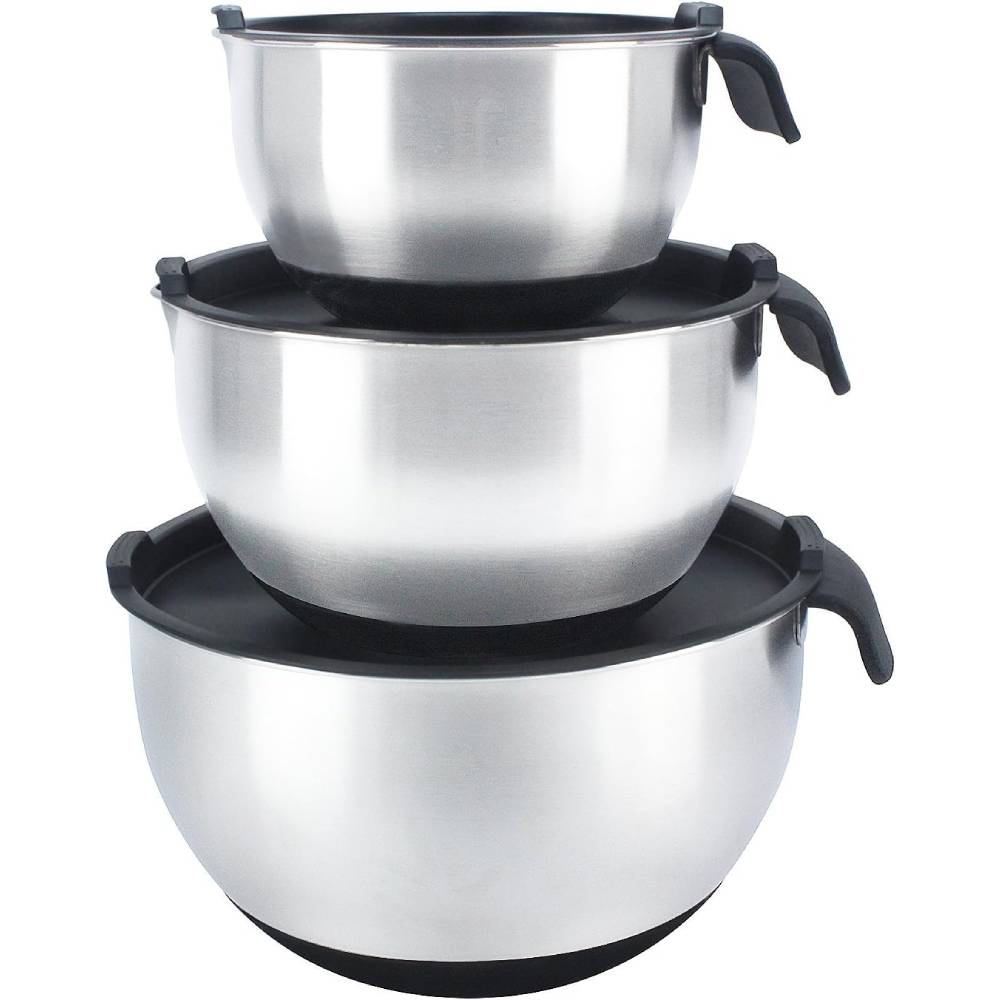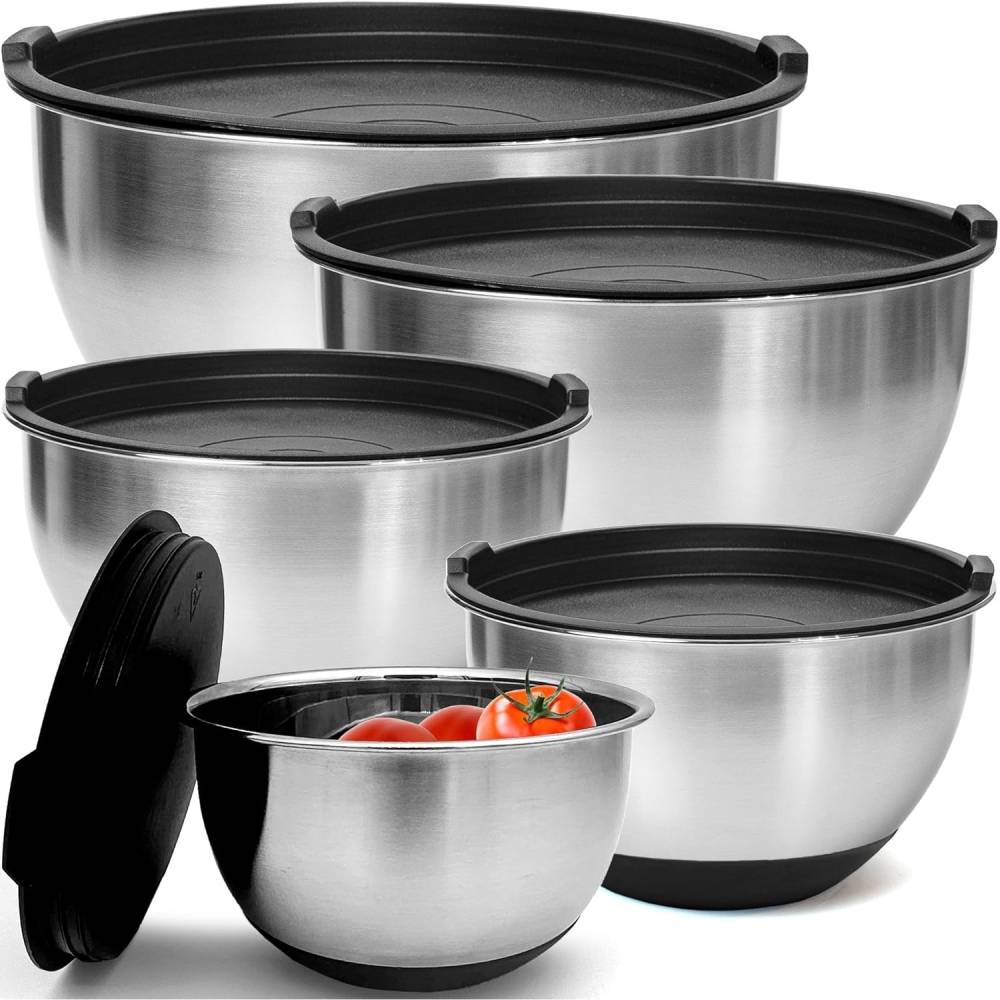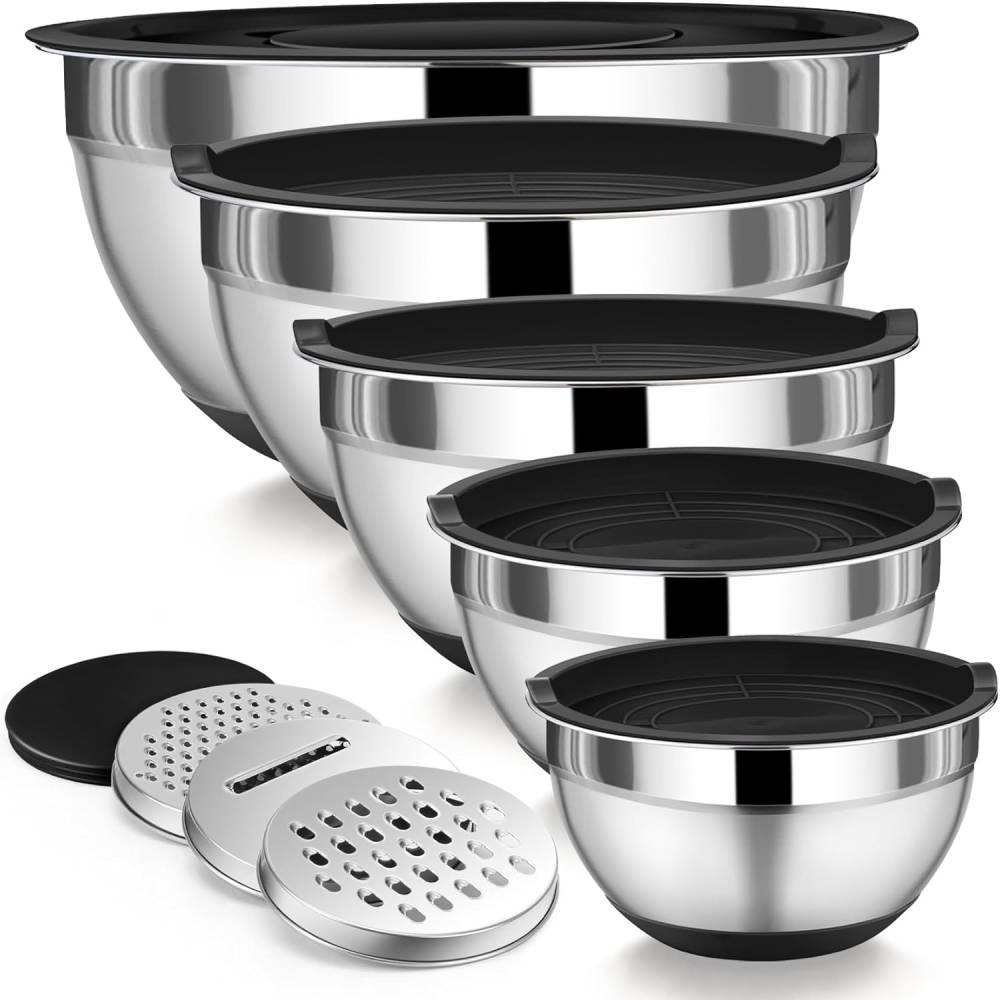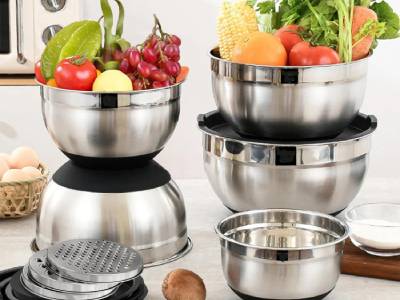
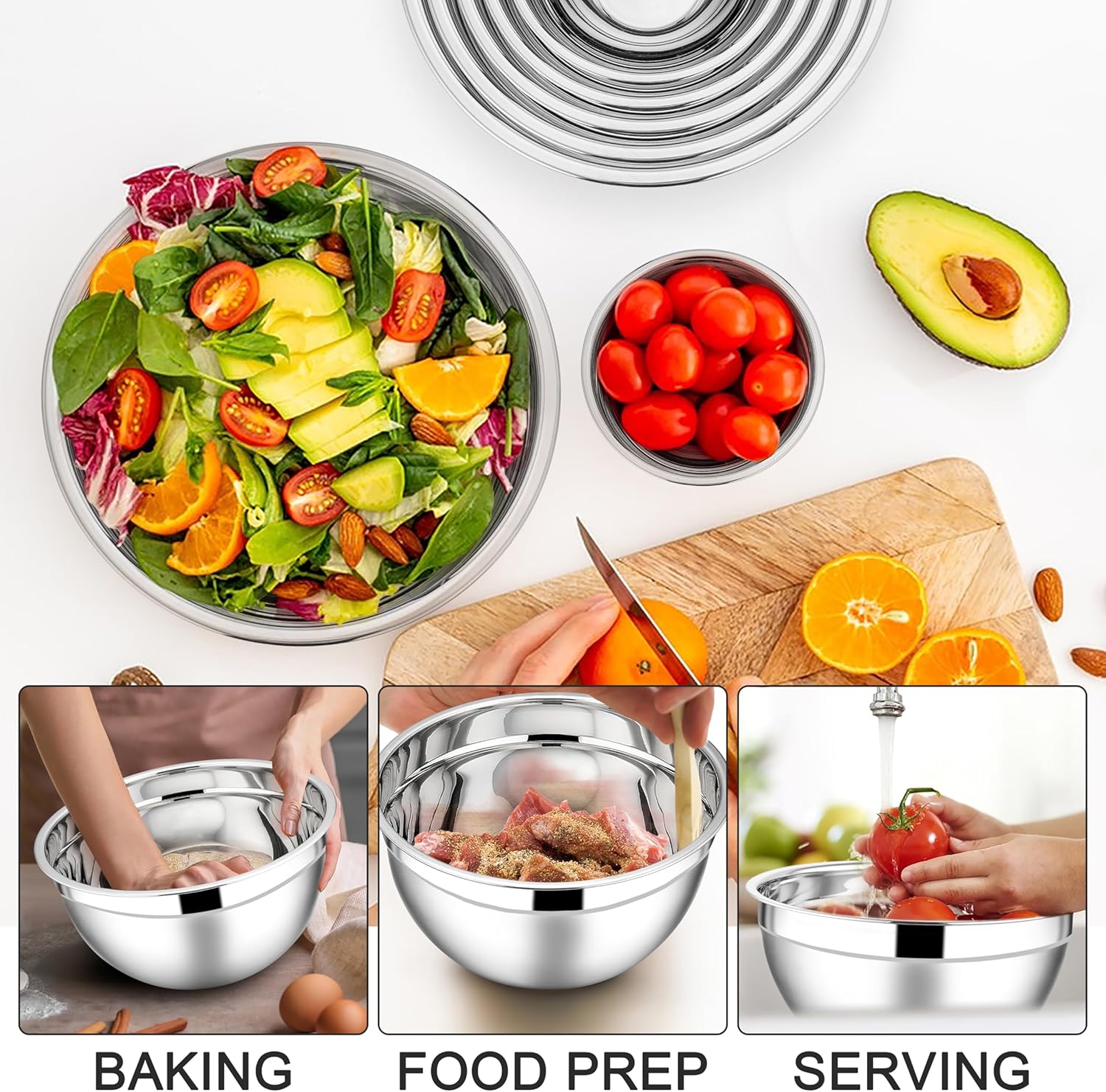
A stainless steel mixing bowl may look simple, but small manufacturing defects can quickly become customer complaints, returns, and lost shelf space. Uneven forming, visible scratches, poor welds, or unstable rims can damage a buyers reputation even when the product appears acceptable during a quick inspection. For a Wholesaler, retailer, or importer, the real risk is not only defective units, but inconsistent quality across the whole shipment. Buyers therefore need clear inspection points and reliable supplier evidence before approving production.
Buyers should evaluate stainless steel mixing bowl manufacturing defects through four areas: material and surface quality, forming accuracy, welding and assembly, and shipment consistency. A capable Manufacturer and Supplier should provide clear inspection standards, corrective-action evidence, and Customizable, OEM, or ODM support where required. Yesheng combines stainless steel product experience with established production equipment and export capability.
Cosmetic and Forming Defects Buyers Should Check
Mixing bowls are highly visible kitchen products, so cosmetic quality directly affects perceived value. Stainless steel forming processes must create a consistent shape while protecting the surface finish. Buyers should avoid judging quality from only one sample because defects can appear at different stages or across different production batches.
Common cosmetic problems
- Deep scratches, dents, or pressure marks on the bowl surface.
- Uneven polishing or inconsistent surface appearance between units.
- Visible forming lines that are unusually deep or irregular.
- Deformed rims or uneven bowl openings.
- Uneven bases that affect stability on a countertop.
- Discoloration or marks caused by processing, handling, or finishing.
Forming checks for buyers
For a Supplier, forming consistency should be controlled through tooling, equipment settings, material handling, and in-process inspection. Buyers can request a production sample and compare multiple pieces rather than approving a single unit.
| Inspection Area | What Buyers Should Look For | Potential Commercial Impact |
|---|---|---|
| Rim | Round, even, and free from deformation | Poor appearance and reduced usability |
| Body | Consistent shape without dents or abnormal forming marks | Customer complaints and returns |
| Base | Stable contact with a flat surface | Reduced user confidence and functionality |
| Surface | Consistent finish with limited visible scratches | Lower perceived product value |
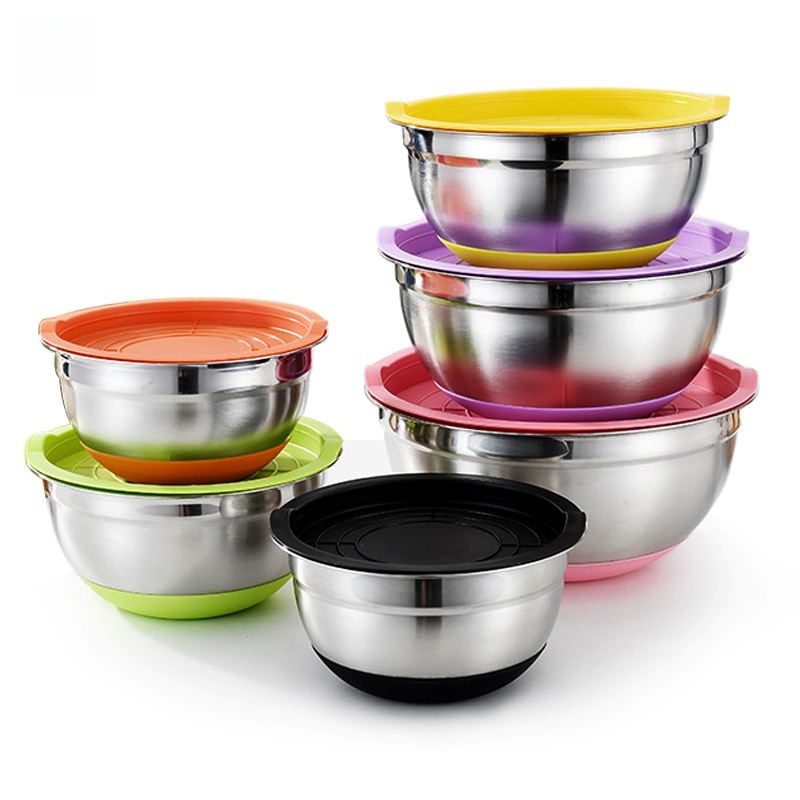 Welding, Assembly and Seal Risks
Where a mixing bowl includes welded, joined, rolled, or assembled components, buyers should pay particular attention to connection quality. A visually attractive bowl can still have weaknesses around joints or attached parts. The inspection standard should therefore cover both appearance and functional performance.
Key welding and assembly risks
- Incomplete or inconsistent welds on attached components.
- Sharp edges around welded or cut areas.
- Uneven joints that affect appearance or cleaning.
- Loose handles, bases, or other assembled components where applicable.
- Residue or processing marks that are difficult to remove.
- Inconsistent assembly positions from one unit to another.
Buyers should define acceptance criteria before mass production begins. For products intended for supermarket, specialty-store, or marketplace distribution, the criteria should address safety, appearance, functionality, packaging, and consistency rather than relying only on a general statement such as good quality.
A practical pre-production approach
- Confirm the required material, dimensions, finish, and construction.
- Approve a reference sample representing the expected production standard.
- Define unacceptable cosmetic and structural defects.
- Confirm how the Supplier will inspect critical dimensions and joints.
- Require production samples when major tooling or process changes occur.
Root-Cause Questions for Suppliers
When buyers identify stainless steel mixing bowl manufacturing defects, the most useful response is not simply replacement of defective pieces. Buyers should ask why the problem occurred and how the Supplier will prevent recurrence. This is especially important for large orders where a small process weakness can affect thousands of units.
Questions worth asking
- At which production stage was the defect created?
- Was the problem related to material, tooling, forming, welding, polishing, or assembly?
- How was the defect detected?
- How many units may be affected by the same root cause?
- Has the production process been adjusted?
- Will additional inspection be performed on the remaining units?
- What evidence can be provided to show that the corrective action was completed?
Yeshengs factory information indicates established stainless steel production capabilities, including hydraulic presses, punching machines, welding machines, cutting machines, die-casting machines, and rolling machines. The factory also states that its equipment can support orders exceeding 100,000 pieces, giving buyers a basis for discussing production planning and capacity requirements.
Inspection Checkpoints Before Shipment
Pre-shipment inspection should focus on the buyers actual sales requirements. A bowl that passes a basic visual check may still have dimensional inconsistencies, packaging problems, or batch-to-batch differences. A structured inspection helps the buyer identify issues before the goods leave the factory.
Recommended inspection sequence
- Material and appearance: Check surface finish, scratches, dents, discoloration, and overall cleanliness.
- Shape and dimensions: Compare diameter, height, capacity, rim condition, and other agreed specifications.
- Stability: Place samples on a flat surface and check whether the bowl sits securely.
- Edges and joints: Inspect for sharp edges, irregular welds, loose components, or unfinished areas.
- Batch consistency: Compare samples from different cartons or production sections.
- Packaging: Confirm that individual and master-carton packaging protects the product during transportation.
- Quantity: Verify carton quantities and total shipment quantities against the purchase order.
| Buyer Priority | Suggested Check | Evidence to Request |
|---|---|---|
| Appearance | Surface, rim, dents, scratches | Approved reference sample and inspection records |
| Dimensions | Key measurements and shape | Specification sheet or measurement report |
| Construction | Welds, edges, attached parts | Inspection photos and production records |
| Consistency | Samples from multiple cartons | Batch inspection results |
| Packaging | Protection and carton condition | Packing specification and photos |
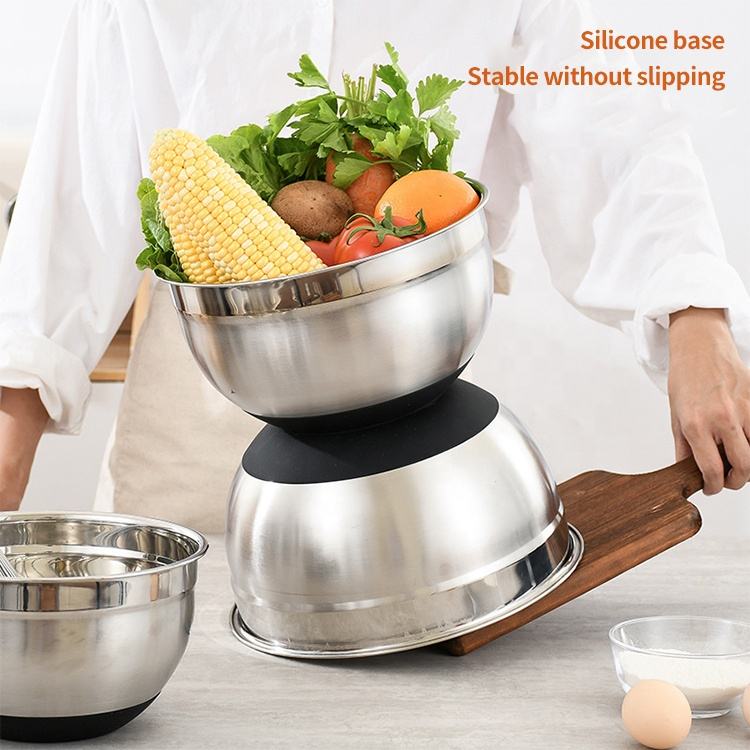 Corrective-Action Evidence Buyers Should Request
A professional Manufacturer should be able to discuss quality problems using evidence rather than vague assurances. Buyers do not necessarily need complicated technical documentation, but they should receive enough information to understand the problem, the action taken, and the result of the follow-up inspection.
Useful corrective-action evidence
- Photos showing the original defect and corrected condition.
- Updated production or inspection instructions when relevant.
- Records showing affected quantities and re-inspected quantities.
- Confirmation that defective products were separated or reworked.
- Sample comparison against the approved reference sample.
- Additional inspection results after the corrective action.
For buyers developing private-label products, the same principle applies to OEM and ODM projects. A Customizable product requires the supplier to understand not only the product design but also the buyers required quality level, packaging, branding, and delivery expectations. Clear specifications reduce the possibility of different interpretations during production.
How Buyers Can Select a More Reliable Stainless Steel Bowl Supplier
Price remains important in wholesale purchasing, but the lowest quotation does not always represent the lowest total cost. Quality failures can create additional inspection, replacement, logistics, customer-service, and missed-sales expenses.
Use a simple supplier decision checklist
- Does the Manufacturer have relevant stainless steel production experience?
- Can the Supplier explain its production process clearly?
- Can the factory support the required order volume?
- Are product specifications and acceptance standards documented?
- Can the supplier provide inspection and corrective-action evidence?
- Can the Supplier support OEM, ODM, or other Customizable requirements?
- Does the supplier have practical export experience for the target market?
Yesheng was established in 2017 and has focused on stainless steel products, including stainless steel salad bowls, canisters, French press kettles, bag savers, and trash cans. Its factory includes multiple production workshops and established equipment, while its independent import and export company was established in 2023 to support production, procurement, and export processes.
Build Quality Control Into the Buying Process
Preventing defects is more effective than discovering them after delivery. Buyers can reduce risk by defining requirements early, approving a clear reference sample, checking production consistency, and requesting evidence when corrective actions are required. For wholesalers, importers, retailers, and marketplace sellers, this process also makes supplier communication more efficient and measurable.
- Define the product specification before quotation.
- Confirm material, dimensions, finish, construction, packaging, and branding requirements.
- Approve a representative sample before mass production.
- Set inspection checkpoints for appearance, forming, assembly, quantity, and packaging.
- Review corrective-action evidence whenever defects are identified.
- Complete final inspection before shipment.
Conclusion: Prevent Defects Before They Reach Your Market
Buyers can reduce quality risk by combining clear specifications, supplier questions, structured inspections, and corrective-action evidence. For stainless steel mixing bowl sourcing, discuss requirements with Yesheng for product selection, OEM or ODM development, Customizable solutions, and wholesale quotations.