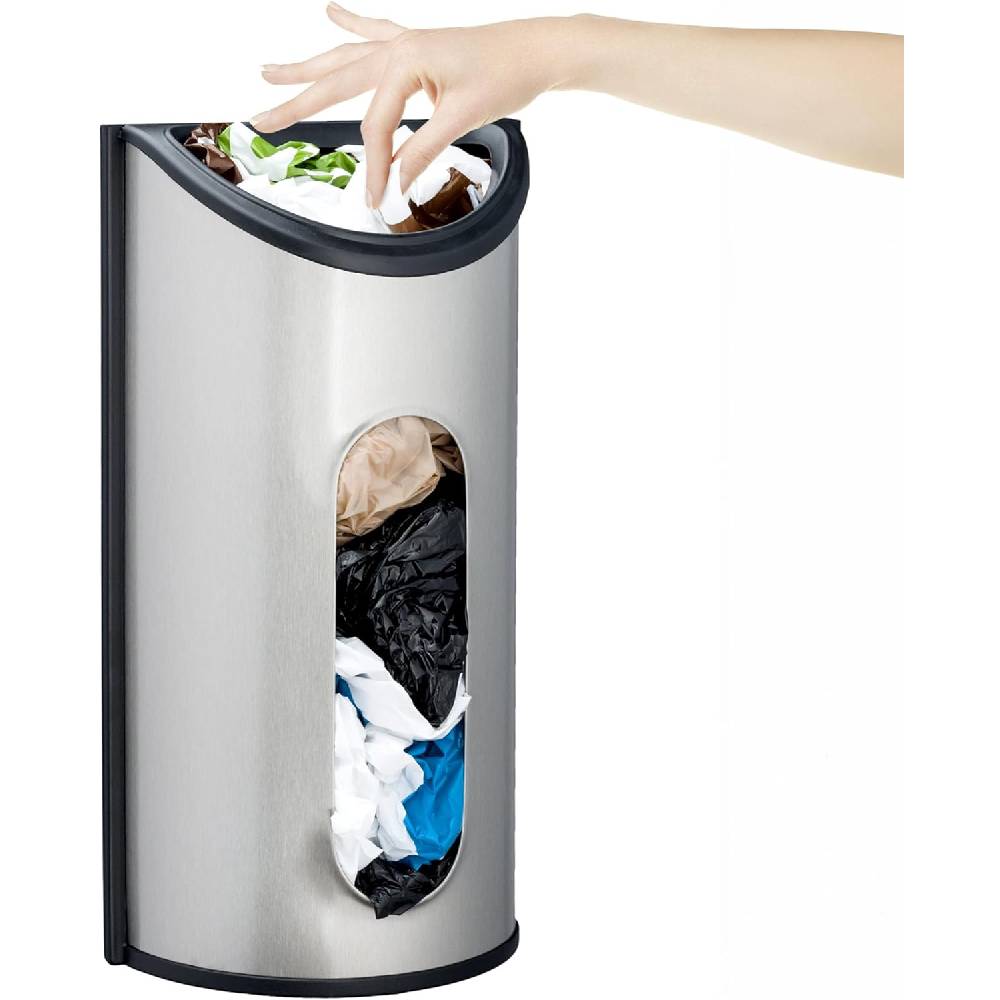
A stainless steel bag saver may look simple, but small differences in dimensions, finish, opening size, mounting details, or branding can become costly after mass production begins. For importers and retailers, approving a sample without a clear reference can lead to inconsistent batches, packaging problems, customer complaints, and delayed launches. A structured stainless steel bag saver sample approval process reduces these risks by turning expectations into documented standards before the Manufacturer starts full production.
The best standard for stainless steel bag saver sample approval is a signed golden sample supported by clear specifications for appearance, function, packaging, branding, and approved materials. Yesheng can support this process as a stainless steel Manufacturer and Supplier with established production capabilities and export experience.
1. Golden Sample and Signed Specification
The approved sample should become the physical reference for both the buyer and Supplier. A professional approval process should not rely only on photographs or verbal descriptions. The sample should be checked against the commercial requirements before production authorization.
- Confirm the product structure. Check the overall shape, opening, mounting method, components, joints, and visible surfaces.
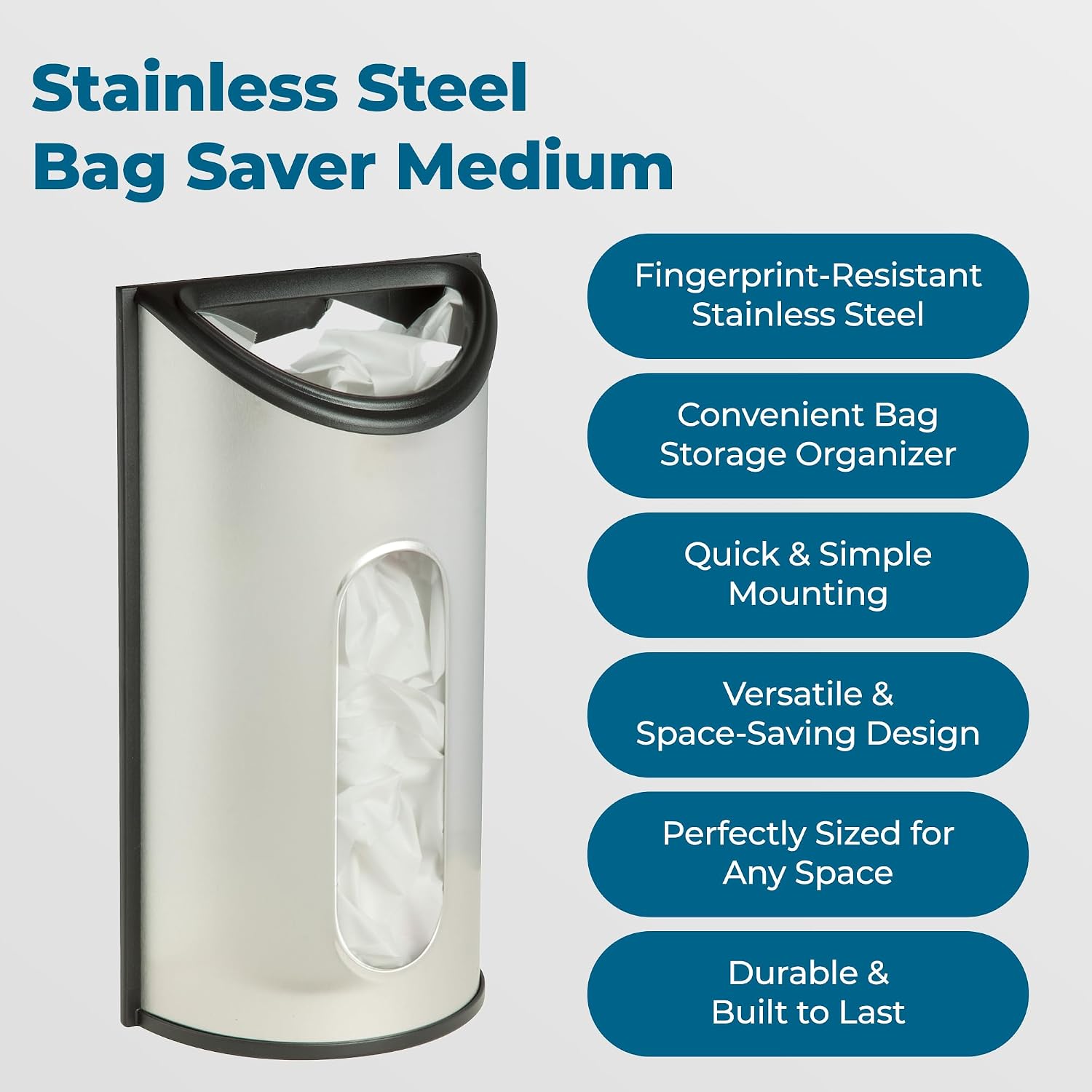
- Confirm the material specification. Yesheng’s stainless steel bag saver is described as 18/0 stainless steel, so the approved specification should identify the required material grade and any agreed alternatives.
- Record critical dimensions. Measure the height, width, depth, opening, mounting points, and other dimensions that affect installation or usability.
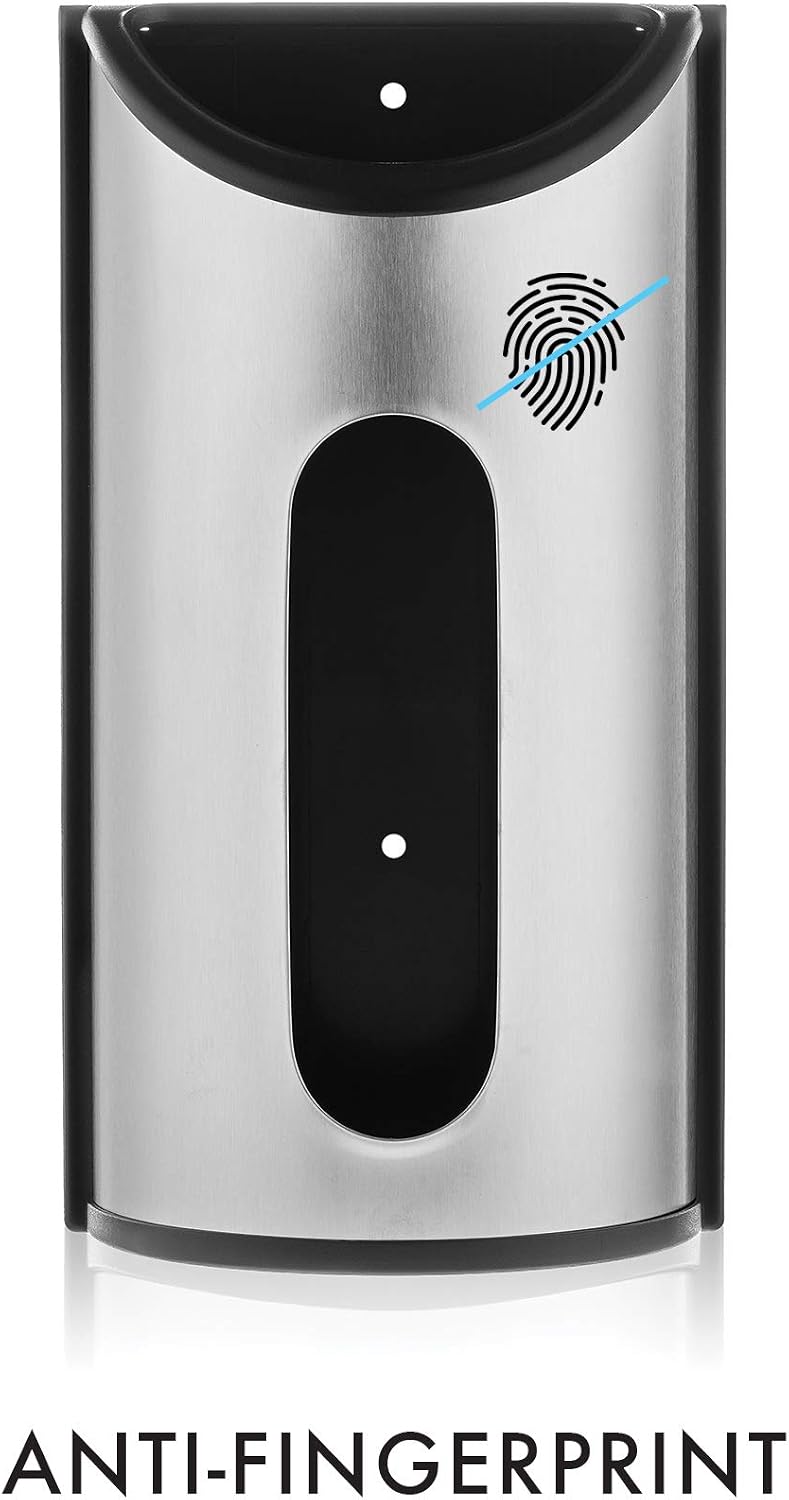
- Record the approved finish. Surface appearance should be defined clearly enough for production comparison.
- Sign and date the approval. The buyer and Manufacturer should retain the same approved reference, with the relevant version clearly identified.
For a Wholesaler, retailer, or importer, this document is more than a formality. It creates a common reference that purchasing, quality control, production, and logistics teams can use throughout the order.
Suggested Approval Record
| Item | Approval Reference | Buyer Check |
|---|---|---|
| Material | 18/0 stainless steel | Confirmed |
| Dimensions | Approved specification | Measured and recorded |
| Surface finish | Golden sample | Visual comparison |
| Function | Opening and mounting | Practical test |
| Branding | Approved artwork | Position and appearance checked |
2. Appearance and Functional Checkpoints
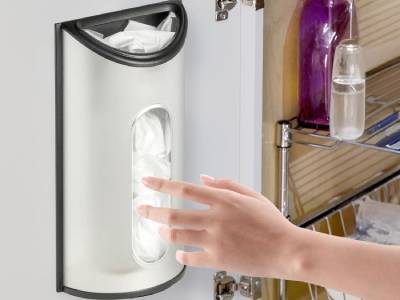
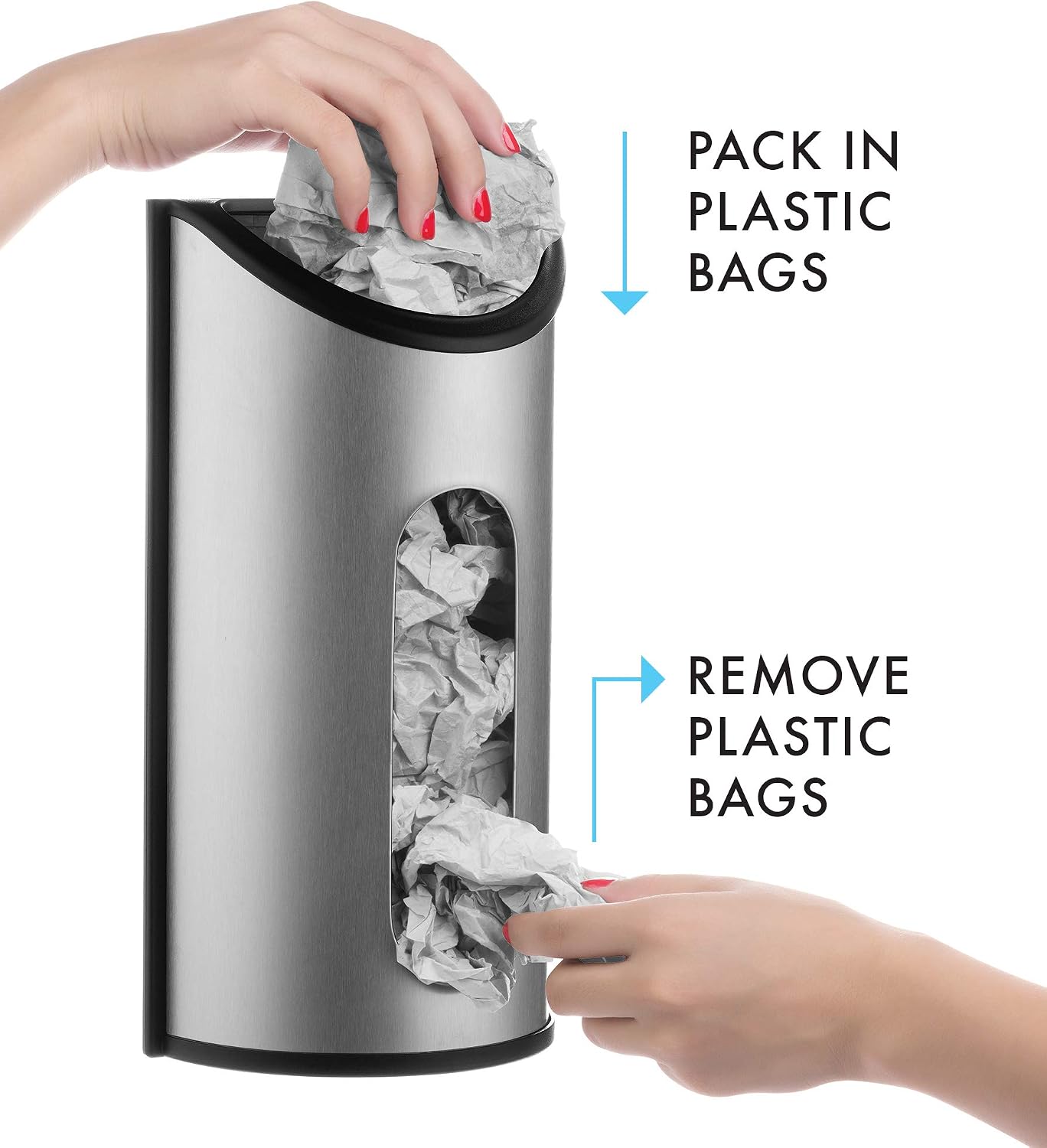
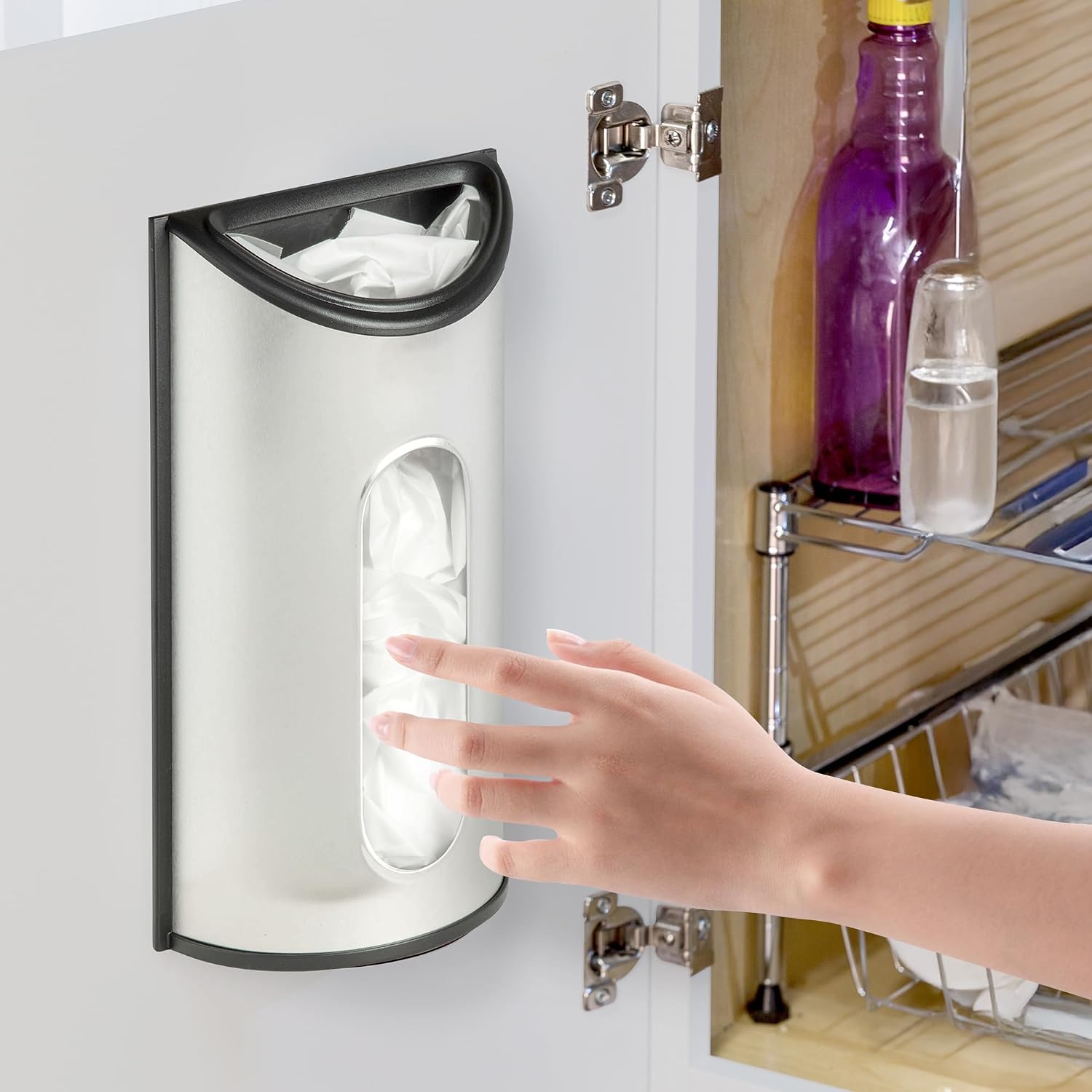
The approval should evaluate the bag saver from the perspective of its final user, not only from a factory production perspective. Yesheng’s product information describes the bag saver as a storage solution with a wide opening for convenient access, suitable for mounting on a wall or inside cabinets and closets. These functions should be included in the approval criteria.
 Appearance Checklist
- Surface finish is consistent with the approved sample.
- There are no unacceptable scratches, dents, deformation, sharp visible defects, or obvious production marks.
- Edges and openings have the expected appearance and finish.
- The product shape remains consistent with the approved design.
- Branding, if included, is positioned according to the approved artwork.
Functional Checklist
- The wide opening allows bags to be inserted and accessed conveniently.
- The product can be mounted using the approved installation method.
- The structure remains stable during normal use.
- Components fit together as specified.
- The finished product provides the intended storage and organization function.
A buyer should distinguish between critical defects and minor cosmetic variation. The acceptance standard can define which issues require rejection, rework, or buyer confirmation. This prevents quality discussions from becoming subjective once production is underway.
3. Packaging and Branding Approval
Product approval should not stop when the metal product itself looks correct. For an OEM or ODM order, packaging and branding can be equally important because the final product may reach supermarkets, specialty stores, marketplaces, or other retail channels under the buyer’s own brand.
Packaging Approval
- Confirm the carton size and packaging structure.
- Check whether the product is adequately protected against scratches and deformation during transportation.
- Verify product quantity per carton.
- Confirm carton markings, labels, barcodes, and other required information.
- Review packaging artwork before mass production.
 Branding Approval
For Customizable projects, the buyer should approve the logo file, logo size, placement, color or finish, and visual proportions. The approved artwork should have a version number so that production teams do not accidentally use an earlier file.
Yesheng operates its own import and export company and provides a production-to-export process, which can help coordinate product, procurement, and export requirements within one supply process.
4. Change-Control After Approval
Once the sample has been approved, any change should be treated as a controlled change rather than an informal adjustment. This is especially important when the buyer is purchasing for a seasonal retail launch or preparing a large order.
- Identify the proposed change.
- Explain why the change is required.
- Assess its effect on appearance, function, cost, tooling, packaging, or delivery.
- Provide a revised sample or supporting evidence when necessary.
- Obtain written buyer approval before applying the change to mass production.
- Update the specification and sample reference number.
Typical examples may include a change to material, surface treatment, dimensions, logo position, packaging structure, or production component. Without change-control records, the buyer may receive a product that technically comes from the same order but no longer matches the original approval.
When a New Sample Is Needed
- A critical dimension has changed.
- The material specification has changed.
- The product structure has been modified.
- The logo or branding method has changed.
- The packaging design has materially changed.
- The change could affect the product’s function or customer experience.
5. Mass-Production Comparison Records
After approval, quality control should compare mass-production units against the approved golden sample and signed specification. The purpose is not simply to inspect finished goods, but to maintain consistency between what the buyer approved and what the factory produces.
Recommended Production Comparison Points
| Control Point | Comparison Method | Recommended Record |
|---|---|---|
| Material | Specification and incoming material records | Batch or inspection record |
| Dimensions | Measurement against approved specification | Inspection sheet |
| Appearance | Visual comparison with golden sample | QC photos and checklist |
| Function | Practical use and mounting check | Functional inspection result |
| Branding | Artwork and sample comparison | Approved artwork reference |
| Packaging | Packaging sample and packing specification | Packing inspection record |
For larger orders, retaining representative production samples and inspection records can make later quality discussions more objective. Yesheng’s factory information states that its hardware workshop includes 19 hydraulic presses, 26 punching machines, 4 welding machines, 3 cutting machines, 2 die-casting machines, and 2 rolling machines, with equipment capable of handling orders exceeding 100,000 pieces.
 What the Buyer Should Keep
- One signed golden sample.
- The final technical specification.
- Approved logo and packaging artwork.
- Written records of approved changes.
- Mass-production inspection records.
- Representative production samples when appropriate.
This documentation creates a practical quality trail from pre-production approval to shipment. It also helps a Supplier and buyer communicate using measurable references rather than assumptions.
6. A Practical Approval Decision for Buyers
Before authorizing mass production, the buyer can use a simple decision rule: approve only when the physical sample, specification, branding, packaging, and functional requirements are aligned. If one critical element remains unresolved, production should wait until the discrepancy is clarified.
- Compare the physical sample with the required design.
- Verify material and critical dimensions.
- Test the main user functions.
- Approve branding and packaging.
- Confirm that all documents use the same revision.
- Sign the final approval record.
- Use the approved reference for mass-production inspection.
For Yesheng’s B2B customers, this approach fits a supply model covering wholesalers, retailers, supermarkets, specialty stores, importers, and marketplace businesses. Its stainless steel product range includes kitchenware such as salad bowls, canisters, French press kettles, bag savers, and trash cans, with export markets covering Europe, North America, South America, Australia, and other overseas markets.
Conclusion
Effective stainless steel bag saver sample approval is a documented process, not simply a visual confirmation. Buyers can reduce production risk by approving a golden sample, controlling specifications and changes, and comparing mass production against the approved reference. Contact Yesheng to discuss OEM, ODM, or Customizable stainless steel bag saver requirements, sampling, and quotation.