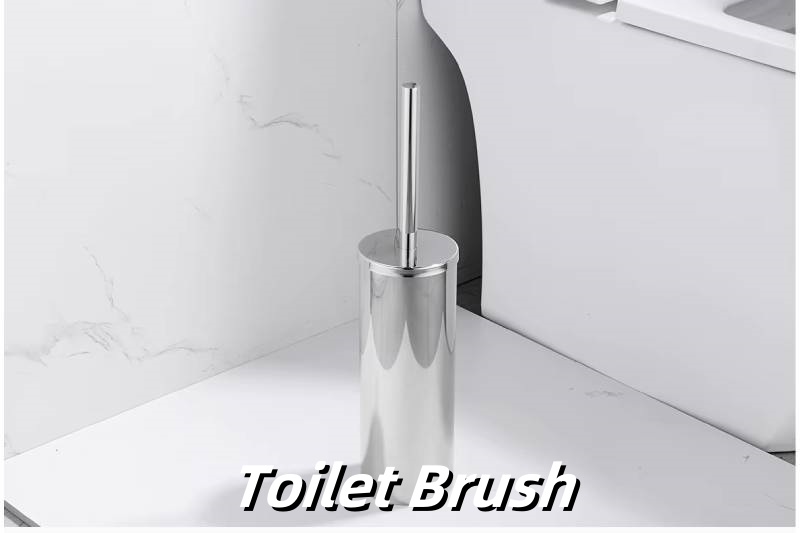
When sourcing toilet brush sets for supermarkets, retailers, or private label brands, one of the most common questions buyers ask is: should they choose 201 stainless steel or powder-coated steel?
Both materials are widely used in the bathroom accessories industry, and each offers distinct advantages depending on the target market, budget, and product positioning.
In this guide, we compare 201 stainless steel and powder-coated steel toilet brushes to help importers and wholesalers make informed purchasing decisions.
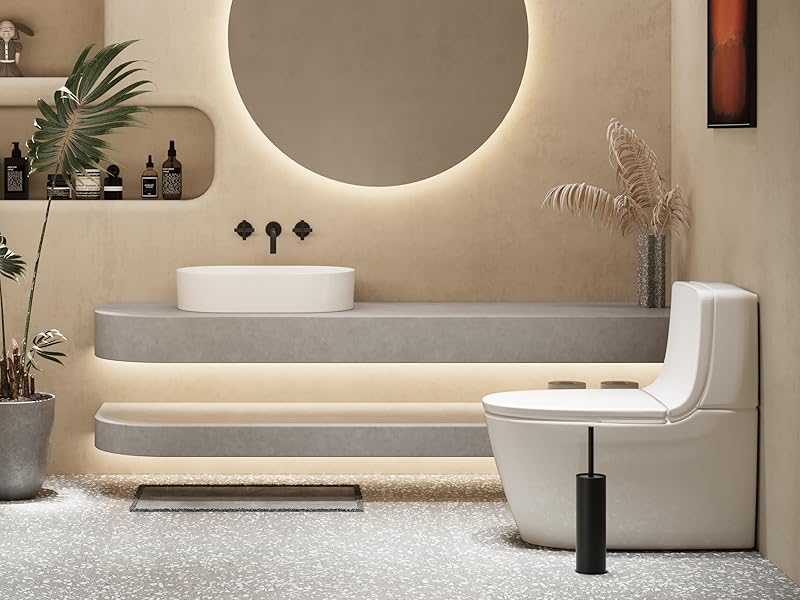
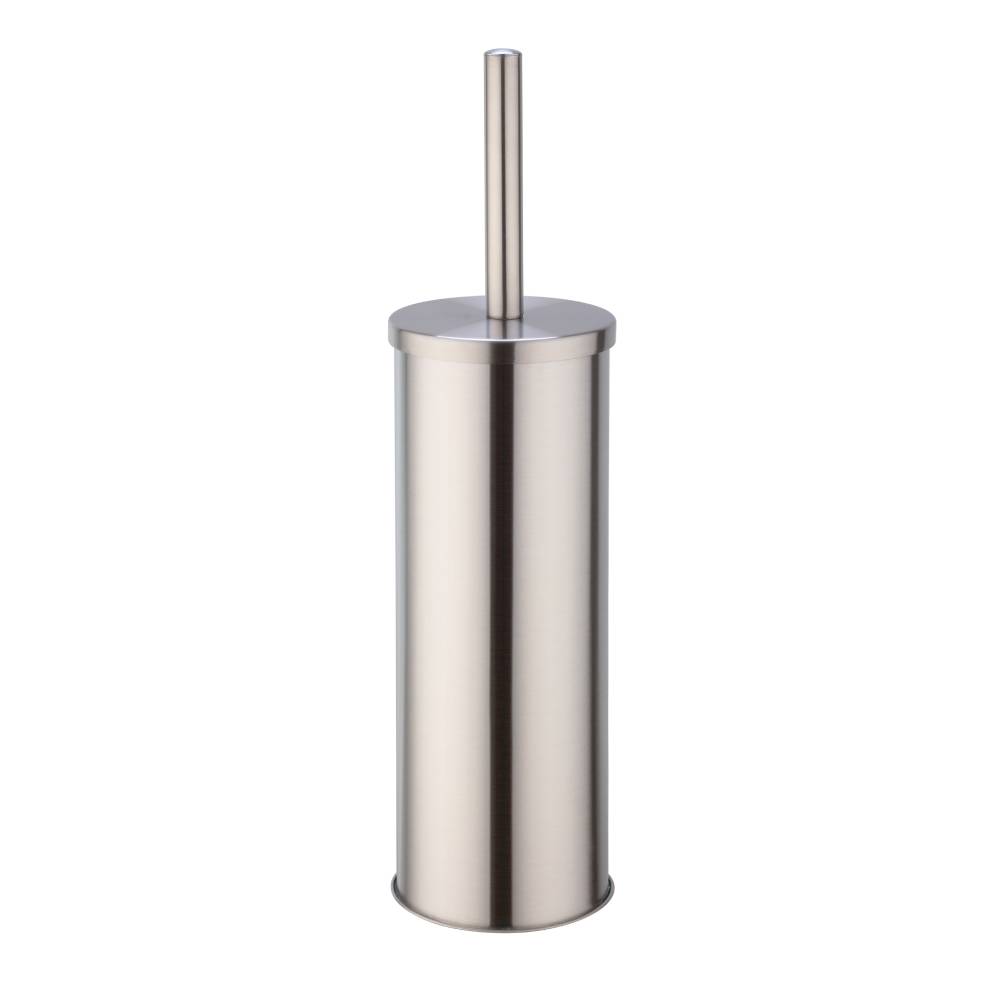
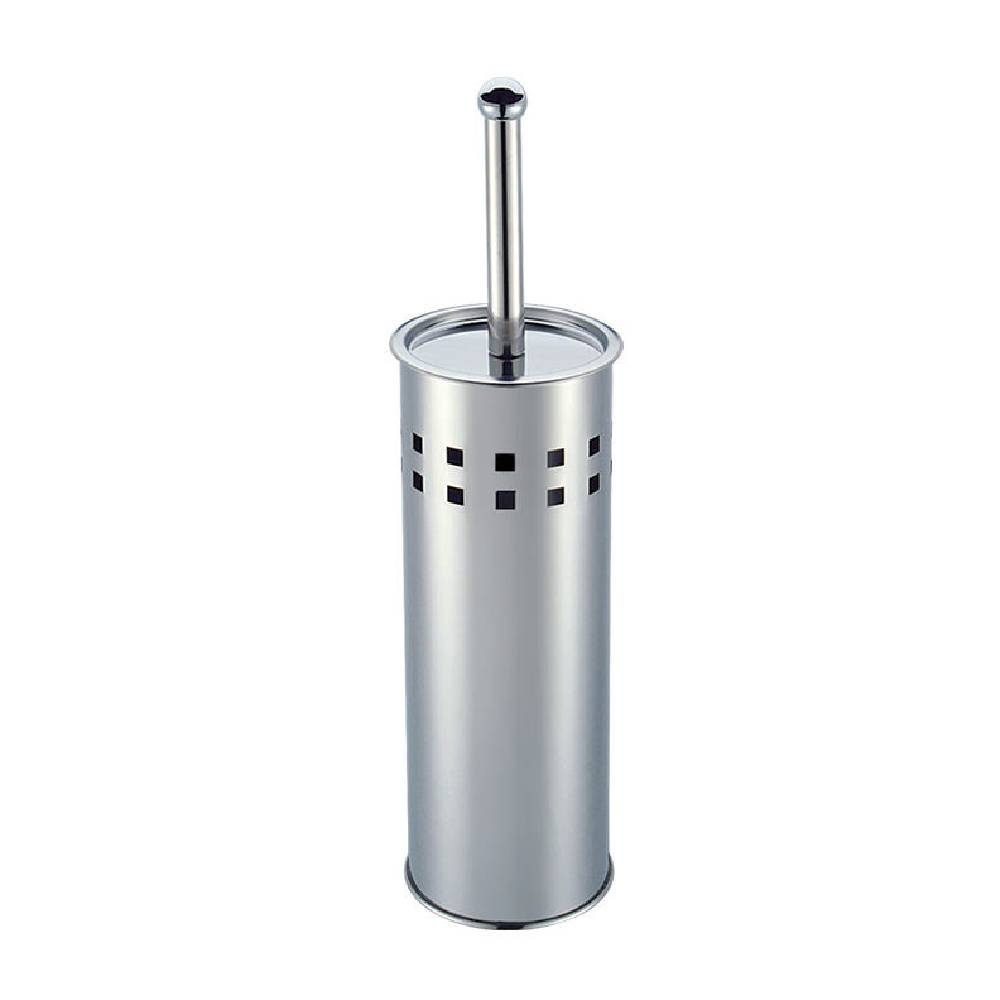
What Is a 201 Stainless Steel Toilet Brush?
A 201 stainless steel toilet brush holder is manufactured using grade 201 stainless steel, a material known for its durability, corrosion resistance, and attractive metallic appearance.
Compared with ordinary steel products, 201 stainless steel provides better resistance to moisture, making it a popular choice for bathroom environments. It is commonly used in mid-range household products and offers a balance between quality and cost.
Advantages of 201 Stainless Steel Toilet Brushes
- Better resistance to rust and humidity compared with ordinary steel.
- Modern brushed or polished finish suitable for various bathroom styles.
- Strong and durable structure for long-term use.
- Premium appearance that enhances perceived product value.
- Ideal for mid-range retail channels and household brands.
Considerations
- Higher material cost compared with powder-coated steel products.
- Limited color options due to the natural metallic finish.
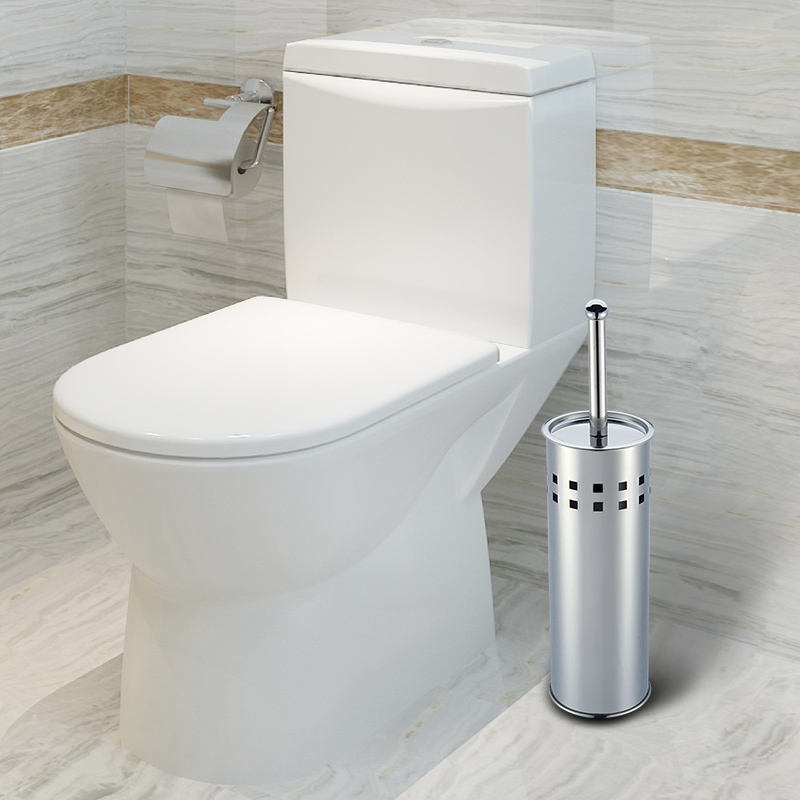
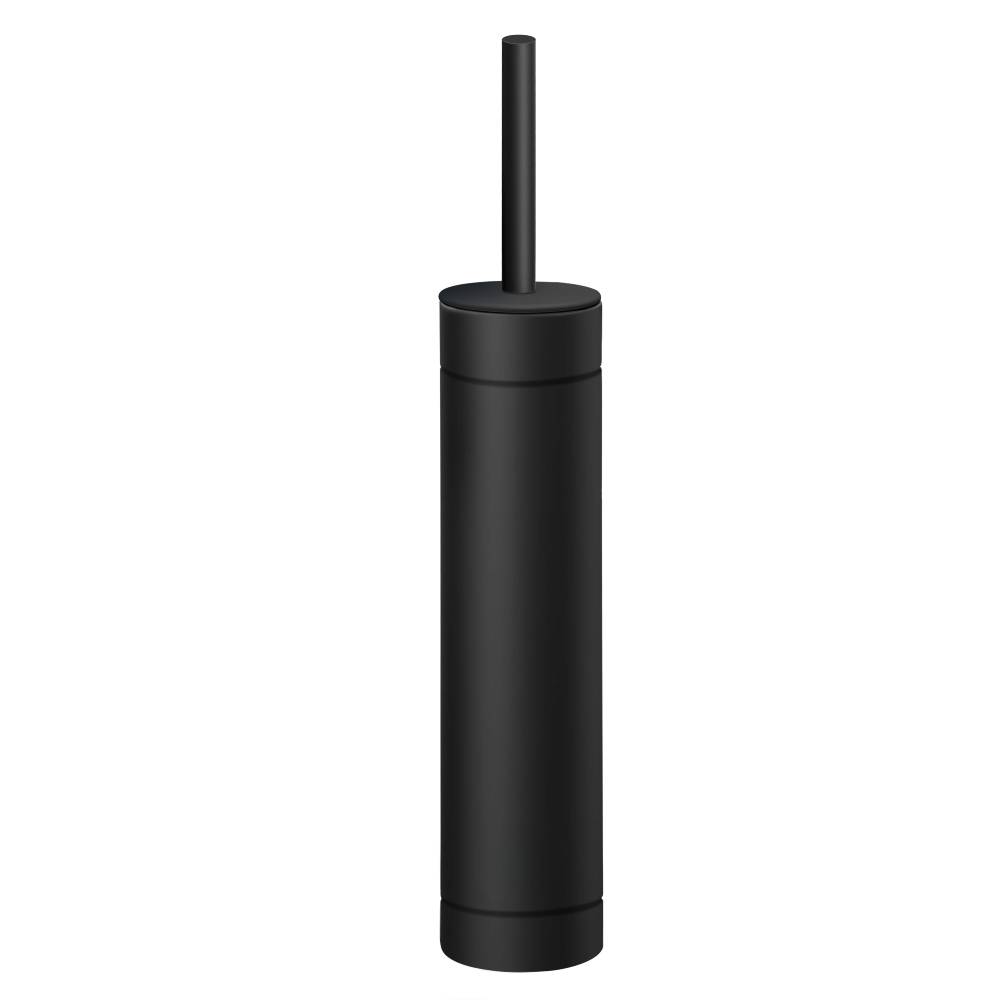
What Is a Powder-Coated Steel Toilet Brush?
Powder-coated steel toilet brush sets are typically manufactured using iron or carbon steel, followed by an electrostatic powder coating process. The coating creates a protective surface layer while allowing manufacturers to offer a wide range of colors and finishes.
Because of their affordability and design flexibility, powder-coated toilet brushes remain highly popular in supermarkets and promotional programs.
Advantages of Powder-Coated Steel Toilet Brushes
- More competitive pricing for large-volume orders.
- Available in various colors, including matte black, white, grey, and customized finishes.
- Suitable for promotional campaigns and price-sensitive markets.
- Easy to coordinate with existing bathroom accessory collections.
- Lower production costs help improve retailers’ profit margins.
Considerations
- Rust resistance depends heavily on the quality of the powder coating process.
- Surface damage may expose the underlying metal if the product is improperly used.
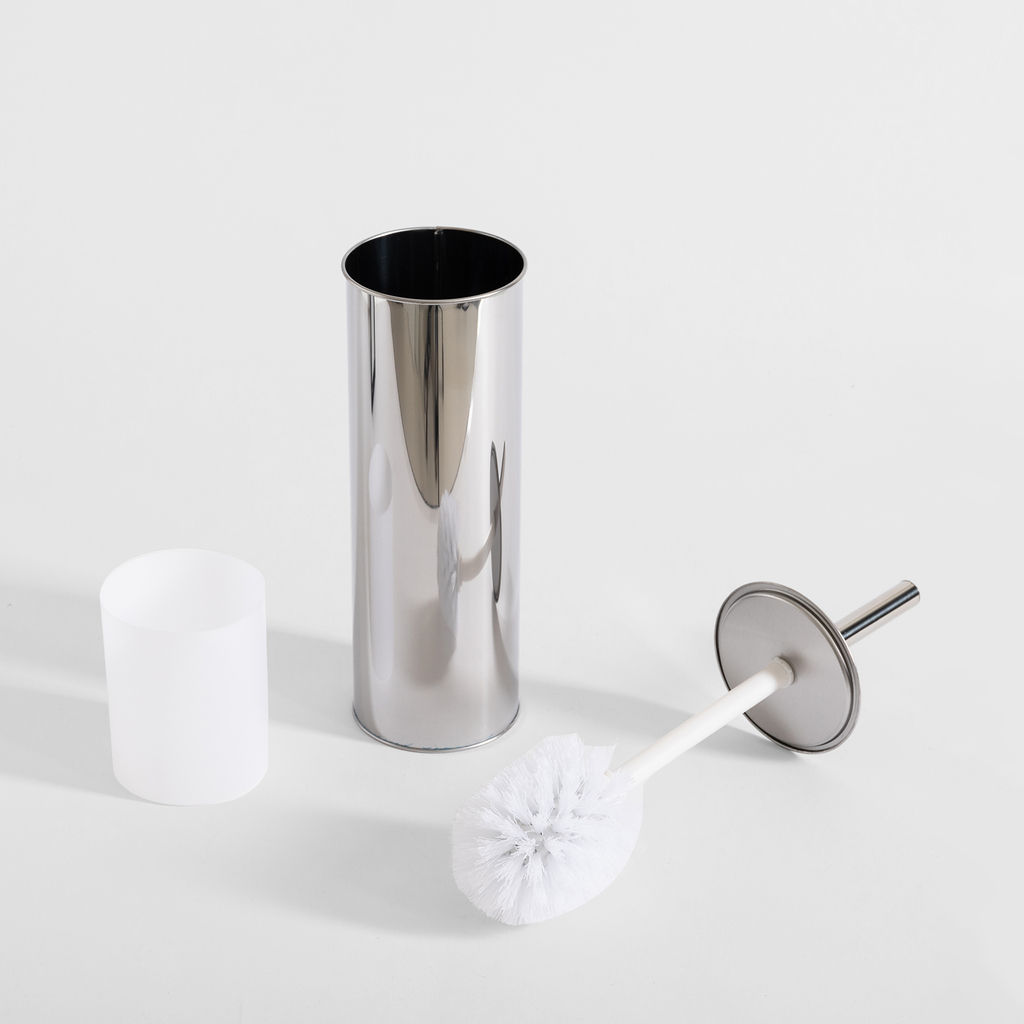
201 Stainless Steel vs Powder-Coated Steel: Key Differences
| Feature | 201 Stainless Steel | Powder-Coated Steel |
|---|---|---|
| Material Cost | Medium | Low |
| Appearance | Metallic and premium | Various colors available |
| Corrosion Resistance | Better | Depends on coating quality |
| Durability | Excellent | Good |
| Target Market | Mid-range retailers and brands | Supermarkets and promotional channels |
| Customization | Limited finish options | Extensive color choices |
| Price Competitiveness | Moderate | High |
Which Material Is Better for Importers?
The answer depends on your customer base and business strategy.
If your brand focuses on quality, durability, and a more sophisticated appearance, 201 stainless steel toilet brushes may be the better option. They appeal to consumers seeking reliable bathroom accessories with a premium feel.
On the other hand, if your business supplies supermarkets, discount retailers, or large-scale promotional programs, powder-coated steel products often provide stronger commercial advantages due to their lower cost and greater flexibility in design.
Many successful importers choose to offer both options, allowing them to serve multiple market segments simultaneously.
Why Conventional Toilet Brush Designs Continue to Sell Well
Although innovative bathroom accessories frequently appear on the market, conventional toilet brush designs continue to dominate sales worldwide.
The reasons are straightforward:
- Consumers are already familiar with traditional designs.
- Retailers can forecast demand more accurately.
- Production processes are mature and stable.
- Lead times are generally shorter.
- Product quality is easier to control.
- Competitive pricing supports larger order volumes.
For wholesalers and retailers, these advantages often outweigh the benefits of pursuing highly complex designs.
Choosing the Right Manufacturing Partner
Regardless of the material selected, choosing an experienced manufacturer is essential for ensuring product consistency and reliable delivery.
Buyers should evaluate suppliers based on factors such as:
- Production capacity.
- Quality control procedures.
- Export experience.
- OEM and private label capabilities.
- Ability to maintain stable lead times during peak seasons.
A dependable manufacturing partner can help reduce sourcing risks while supporting long-term business growth.
Final Thoughts
Both 201 stainless steel and powder-coated steel toilet brushes have their place in today’s market.
201 stainless steel offers improved durability and a more premium appearance, making it suitable for brands targeting consumers who value quality.
Powder-coated steel provides excellent cost efficiency and design versatility, making it an ideal solution for supermarkets, discount retailers, and large-volume wholesale programs.
Understanding the strengths of each material will help importers select the right products for their customers and maximize their market opportunities.
At Yesheng, we manufacture conventional toilet brush sets in both 201 stainless steel and powder-coated steel finishes. With mature production processes and extensive export experience, we support wholesalers, distributors, and private label brands with dependable product solutions tailored to their market needs.
For more professional inquiries regarding top-quality bathroom accessories, please visit http://www.jmyesheng.com.