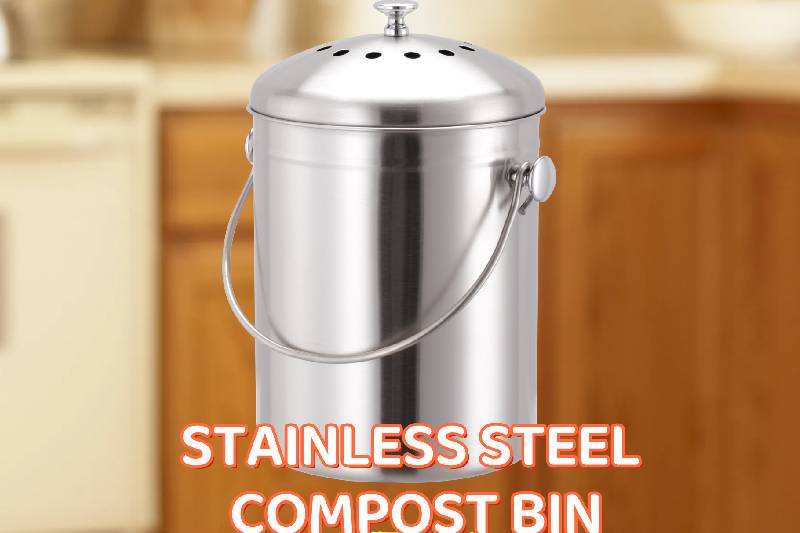
Looking for the right stainless steel compost bin supplier? Whether you are an importer, retailer, supermarket buyer, or private label brand, choosing the right kitchen compost bin involves much more than comparing prices. Material quality, capacity, odor control, manufacturing capability, packaging, and customization all play important roles in creating a successful product line. This guide explains what wholesale buyers should evaluate before placing an order and how to select a reliable OEM manufacturer for long-term business growth.
Why Stainless Steel Compost Bins Continue to Grow in Popularity
As consumers become more environmentally conscious, separating food waste has become part of daily life in many households across Europe, North America, Australia, and New Zealand. Governments continue promoting waste reduction initiatives, while retailers are expanding their eco-friendly kitchen collections.
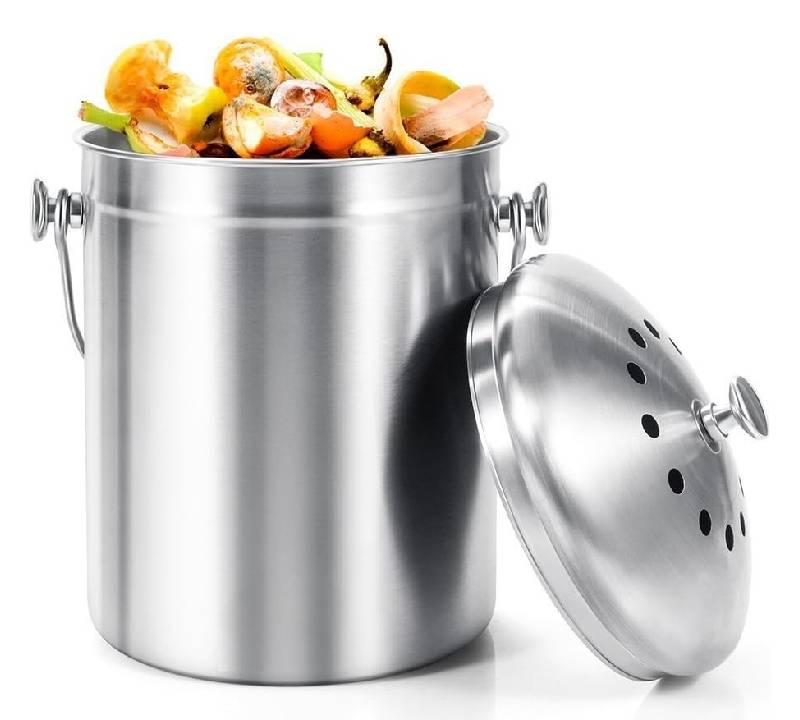
Kitchen compost bins have evolved from simple waste containers into attractive countertop accessories that complement modern kitchens. Rather than hiding under the sink, today’s compost bins are designed to remain visible on kitchen countertops, making appearance just as important as functionality.
For retailers and importers, this trend creates a growing opportunity to introduce premium kitchen storage products with higher perceived value and healthy profit margins.
Among all available materials, stainless steel remains one of the most popular choices because it offers durability, hygiene, and timeless aesthetics that plastic alternatives often cannot match.
Why Retail Buyers Prefer Stainless Steel Over Plastic Compost Bins
Although plastic compost bins generally have lower manufacturing costs, many premium retailers continue choosing stainless steel models for their product collections.
Here are the primary reasons why.
1. Better Odor Resistance
Food scraps naturally release moisture and organic compounds during decomposition. Stainless steel surfaces are less porous than plastic, making them easier to clean and less likely to absorb unpleasant odors over time.
2. Premium Appearance
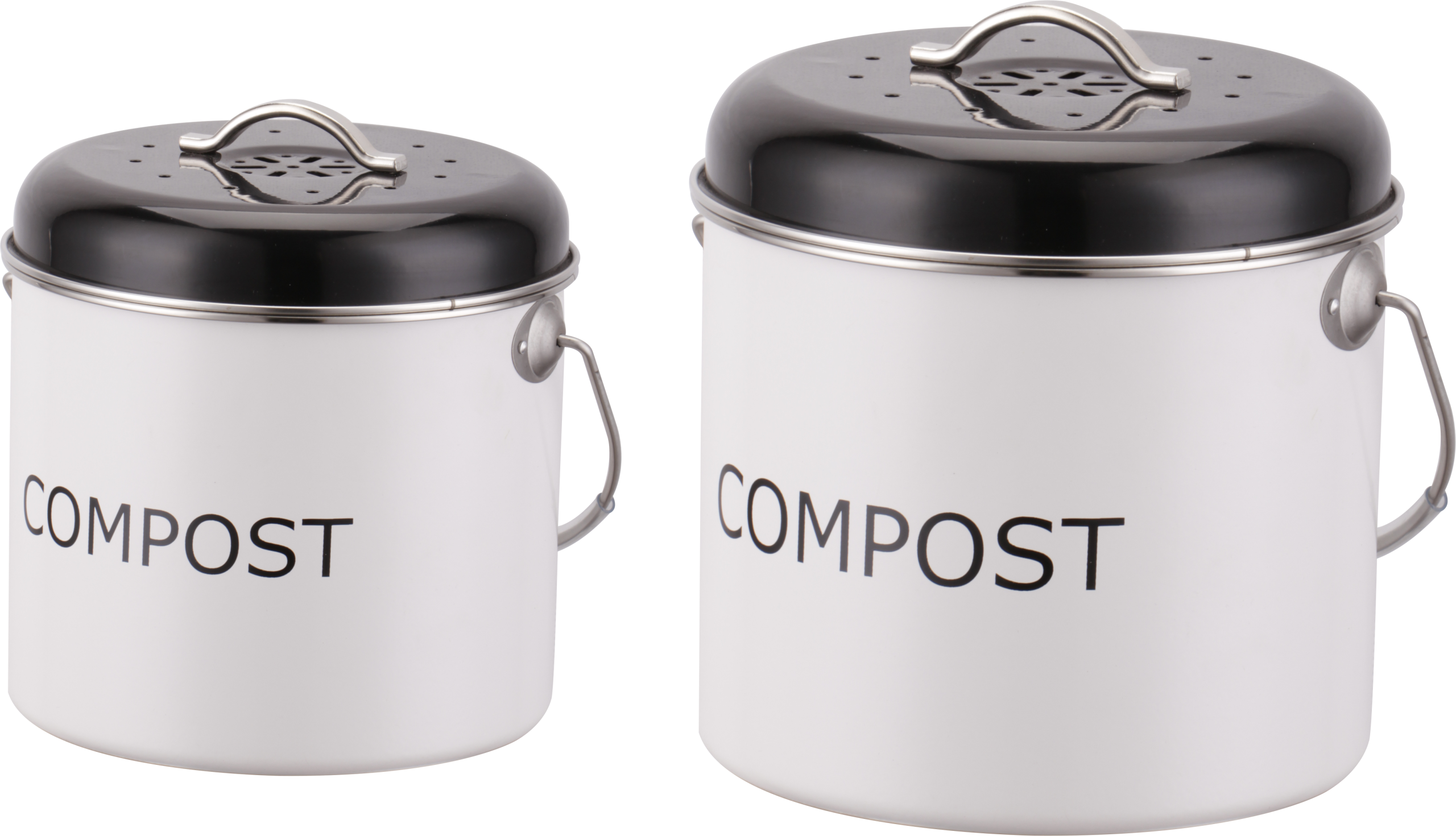
Consumers increasingly prefer kitchen accessories that match stainless steel appliances. A brushed or powder-coated compost bin provides a clean, modern appearance suitable for contemporary kitchens.
3. Longer Product Life
High-quality stainless steel resists dents, cracks, and deformation better than many plastic alternatives, helping reduce warranty claims and improving customer satisfaction.
4. Sustainable Brand Image
Reusable stainless steel products align well with sustainability initiatives. Many retailers now promote reusable household products as part of their environmental commitments.
5. Higher Retail Value
Because stainless steel is generally perceived as a premium material, retailers can often position these products at higher price points while maintaining strong customer demand.
What Wholesale Buyers Should Look for Before Ordering
Not every compost bin is designed for the same market. Before selecting a supplier, buyers should evaluate several important product specifications.
Material Quality
The first consideration should always be material selection.
- 201 Stainless Steel — Cost-effective for value-oriented retail programs and promotional projects.
- 304 Stainless Steel — Superior corrosion resistance for premium brands and humid environments.
Experienced manufacturers should be able to recommend the appropriate material according to your target market rather than offering only one option.
Lid Design
The lid significantly affects user experience.
Popular options include:
- Loose lid
- Tight-fitting lid
- Bamboo lid
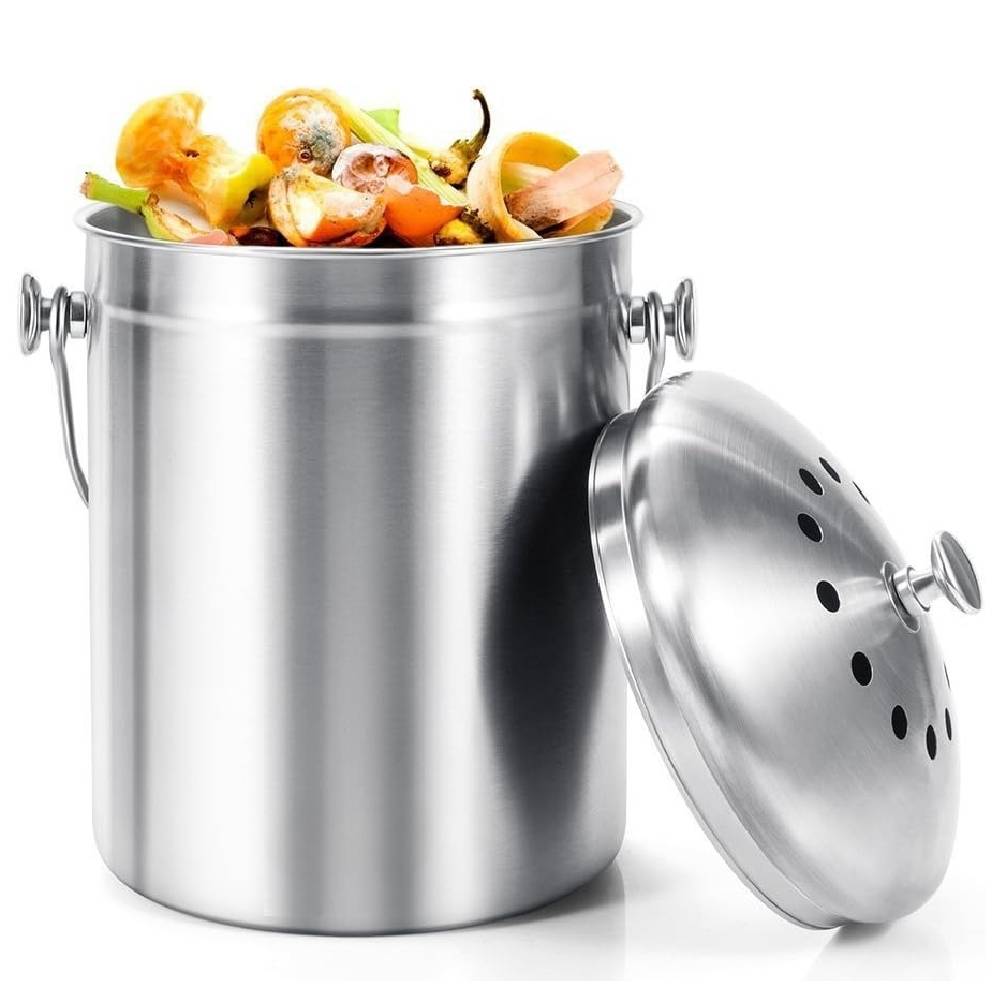
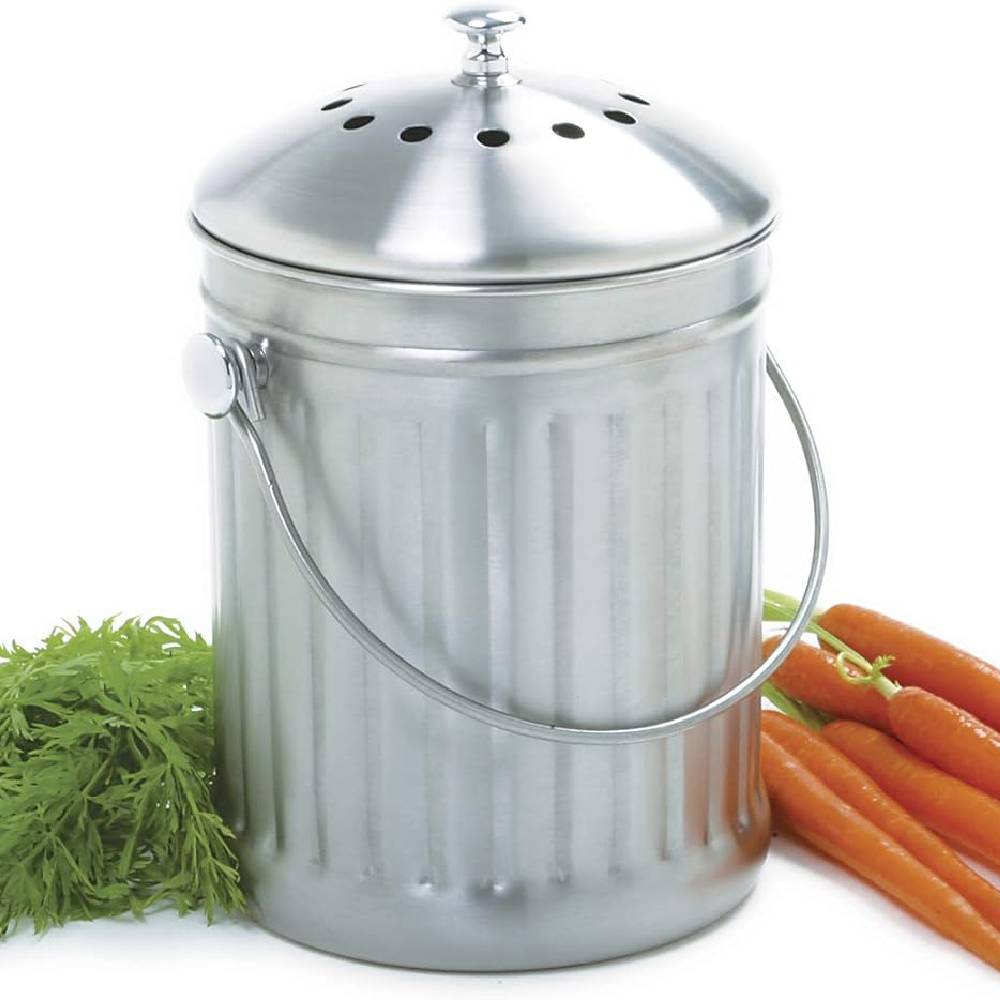
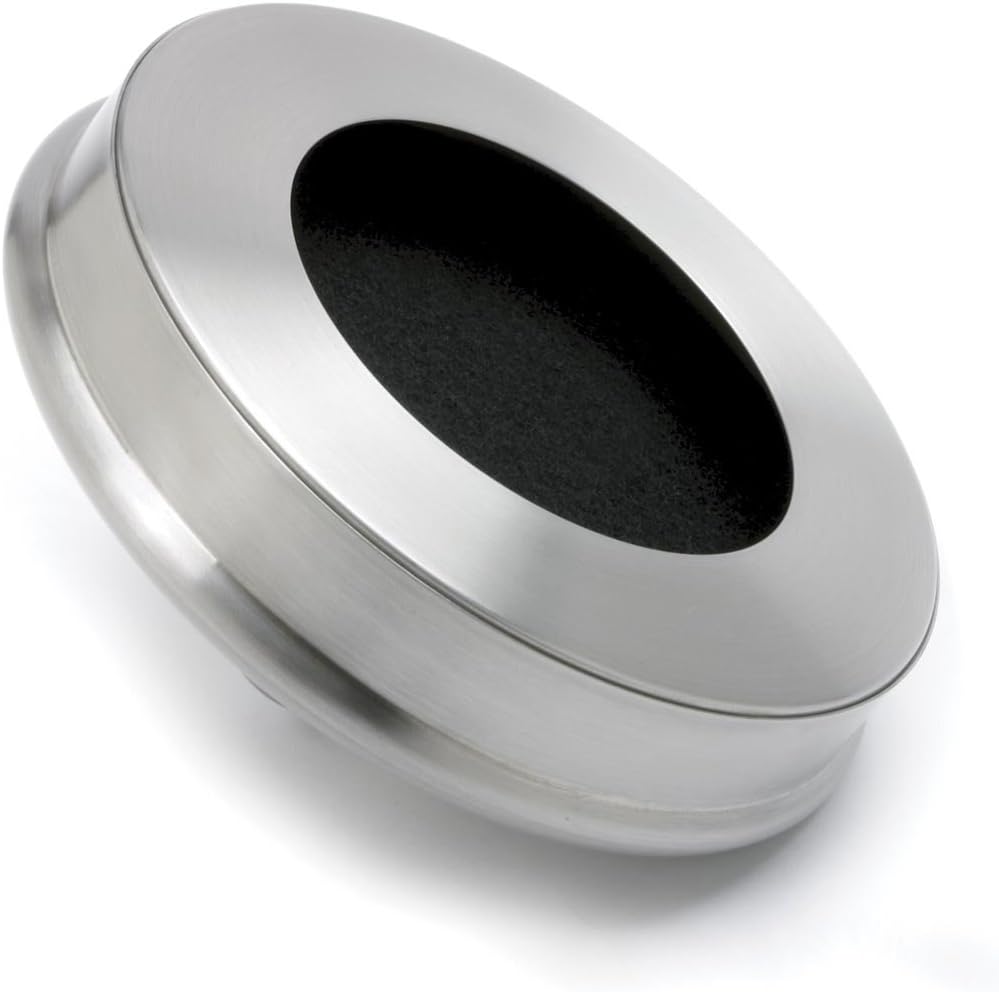
- Metal lid with charcoal filter compartment
- Soft-close lid
Each design targets different customer preferences and price ranges.
Charcoal Filter System
One of the most frequently requested features is an activated charcoal filter.
The filter helps reduce odors by absorbing volatile organic compounds released by food waste, making countertop compost bins much more pleasant to use.
Retailers often prefer products with replaceable filter systems because they encourage repeat accessory sales while improving customer satisfaction.
Choosing the Right Capacity for Different Markets
Capacity selection often depends on household size, local waste collection systems, and consumer habits.
| Capacity | Typical Users | Recommended Market |
|---|---|---|
| 1.5–2 Liters | Single users and apartments | Japan, South Korea, Europe |
| 3 Liters | Small families | UK, Germany, France |
| 5 Liters | Average households | United States, Canada, Australia |
| 7 Liters and above | Large families | North America |
Offering multiple capacity options allows retailers to serve a broader customer base while increasing average order value.
Surface Finishes That Increase Shelf Appeal
Today’s consumers pay close attention to product appearance. Surface finishing can significantly influence purchasing decisions, especially in premium kitchenware collections.
Common finishing options include:
- Brushed stainless steel
- Mirror polished finish
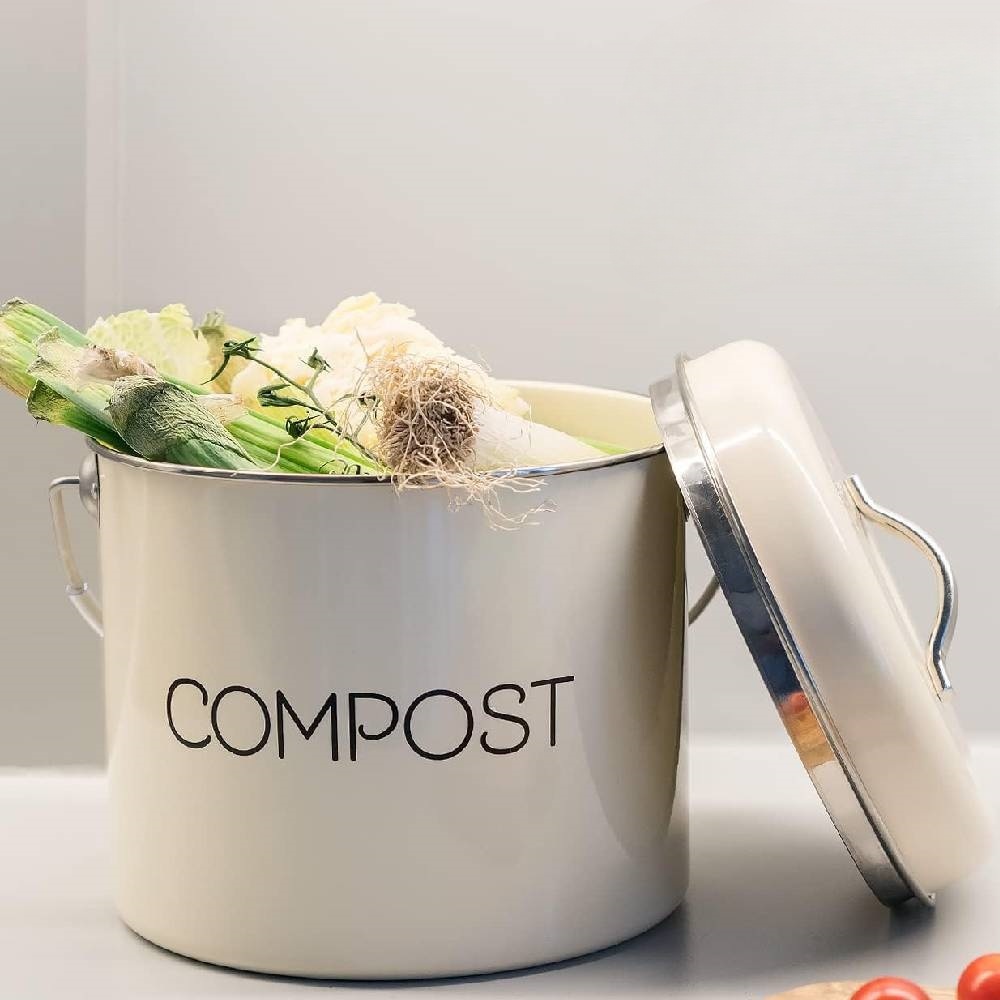
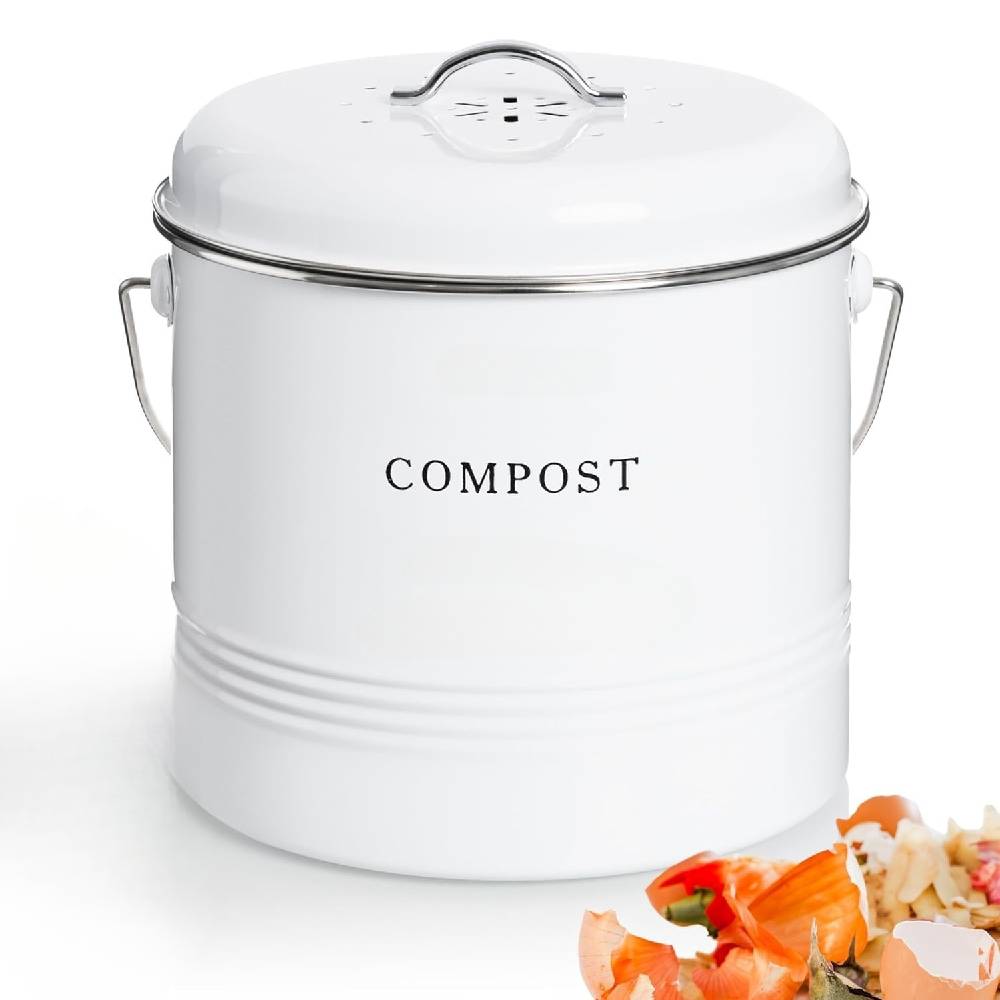
- Matte powder coating
- Black powder-coated finish
- White matte finish
- Custom Pantone colors
Many retailers now choose matte black or neutral-colored finishes because they complement modern kitchen interiors and pair well with other countertop storage products.
Manufacturers capable of offering multiple finishing techniques provide buyers with greater flexibility when developing private label collections.
OEM and Private Label Options That Add Value
For wholesalers and retailers, product differentiation is essential. Choosing a manufacturer with comprehensive OEM capabilities allows brands to create unique products that stand out in competitive markets.
Typical customization options include:
- Laser logo engraving
- Silk-screen logo printing
- Custom color coating
- Custom retail packaging
- Barcode labels
- Instruction manuals
- Gift box packaging
- Replacement charcoal filter sets
A reliable OEM manufacturer should also assist buyers in optimizing packaging dimensions to maximize container loading efficiency and reduce shipping costs.
Questions Every Importer Should Ask Before Choosing a Supplier
Price is important, but it should never be the only deciding factor. Experienced buyers usually evaluate suppliers using a broader set of criteria.
Before placing an order, consider asking the following questions:
- What grades of stainless steel are available?
- Can the factory support OEM and private label projects?
- What quality control procedures are implemented during production?
- Are replacement charcoal filters available?
- What packaging options are offered?
- What is the standard production lead time?
- Can mixed products be loaded into one container?
- Does the supplier have experience exporting to Europe, North America, or Australia?
The answers to these questions often reveal far more about a supplier’s long-term reliability than simply comparing quotations.
How Quality Control Protects Your Brand Reputation
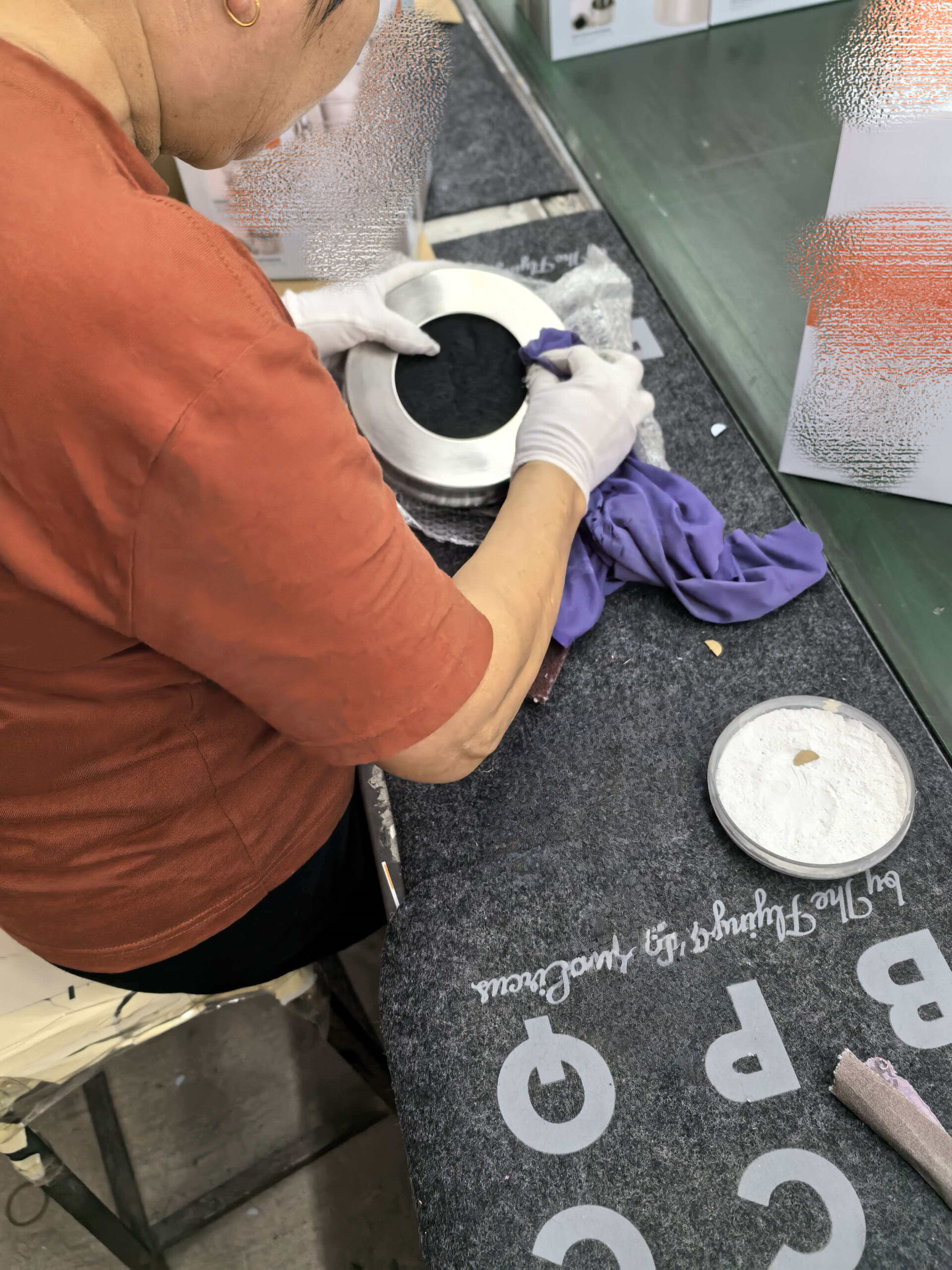
For retailers and importers, product quality is directly linked to customer satisfaction, online reviews, and repeat business. A visually attractive compost bin means little if it arrives with scratches, poor welding, or loose-fitting components.
Experienced manufacturers implement quality control throughout the production process rather than inspecting products only after assembly.
A comprehensive quality management process typically includes:
- Incoming raw material inspection
- Dimension verification during production
- Welding quality inspection
- Surface finish consistency checks
- Lid fit and functionality testing
- Packaging inspection before shipment
- Random final inspection prior to container loading
Consistent quality helps reduce return rates, protect your brand reputation, and improve customer confidence in your product range.
Why an Experienced Manufacturer Makes a Difference
Many factories can produce stainless steel compost bins, but not all suppliers provide the same level of manufacturing expertise or export experience.
An experienced manufacturer understands that every customer has different business goals. Some buyers prioritize competitive pricing for supermarket promotions, while others focus on premium finishes for specialty kitchenware brands.
A professional OEM supplier should be able to recommend suitable materials, optimize production costs, improve packaging efficiency, and support custom branding throughout the project.
Beyond manufacturing itself, experienced exporters are also familiar with international quality requirements, shipping documentation, production scheduling, and communication throughout the order process. These capabilities help reduce unnecessary delays and create a smoother sourcing experience.
How Stainless Steel Compost Bins Fit into a Complete Kitchen Storage Collection
Many successful retailers no longer sell kitchen compost bins as standalone products. Instead, they build coordinated kitchen organization collections that encourage customers to purchase multiple items together.
A stainless steel compost bin can be merchandised alongside products such as:
- Stainless steel bread bins
- Coffee canisters
- Tea, sugar, and coffee storage canisters
- Kitchen utensil holders
- Bag savers
- Pet food storage containers
- Mixing bowls
Offering matching finishes, coordinated colors, and consistent packaging across multiple product categories helps retailers strengthen their brand image while increasing average order value.
Frequently Asked Questions
What is the best material for a kitchen compost bin?
Stainless steel is widely regarded as one of the best materials because it is durable, easy to clean, resistant to odors, and complements modern kitchen appliances. The choice between 201 and 304 stainless steel depends on your target market, budget, and product positioning.
Do stainless steel compost bins really prevent odors?
No compost bin can completely eliminate odors if food waste is stored for extended periods. However, stainless steel combined with a properly fitted lid and replaceable activated charcoal filter can significantly reduce unpleasant smells during normal household use.
What size compost bin is most popular?
Three-liter and five-liter countertop compost bins are among the most popular sizes for household kitchens. Smaller capacities are often preferred in apartments, while larger households may choose five liters or more.
Should buyers choose 201 or 304 stainless steel?
Both materials have their advantages. 201 stainless steel offers excellent value for cost-sensitive retail programs, while 304 stainless steel provides enhanced corrosion resistance for premium kitchenware collections.
Can compost bins be customized with private labels?
Yes. Most experienced OEM manufacturers can provide custom logo engraving, color coating, packaging design, barcode labels, instruction manuals, and gift box packaging to support private label brands.
How often should charcoal filters be replaced?
Depending on usage, activated charcoal filters are generally replaced every two to three months. Offering replacement filters can also create additional repeat sales opportunities for retailers.
What should importers look for in a compost bin manufacturer?
Buyers should evaluate manufacturing experience, material options, quality control procedures, customization capabilities, production capacity, export experience, and communication efficiency rather than focusing solely on unit price.
Can stainless steel compost bins be sold together with other kitchen storage products?
Absolutely. Compost bins are frequently paired with bread bins, storage canisters, utensil holders, and other countertop organization products, creating attractive product collections for retail stores and online marketplaces.
Conclusion
Selecting the right stainless steel compost bin involves much more than choosing an attractive design. Material quality, odor control, capacity, surface finish, customization options, quality assurance, and manufacturing experience all contribute to the long-term success of a retail product line.
For wholesalers, importers, distributors, and private label brands, partnering with an experienced manufacturer provides greater flexibility in product development while helping ensure consistent quality and reliable delivery.
As demand for sustainable kitchen products continues to grow worldwide, offering well-designed stainless steel compost bins can become an important part of a successful kitchenware collection.
Looking for a Reliable Stainless Steel Compost Bin Manufacturer?
At JMYESHENG, we specialize in manufacturing stainless steel kitchenware for wholesale, OEM, and private label projects. Our product range includes stainless steel compost bins, bread bins, kitchen storage canisters, bag savers, French presses, coffee pots, mixing bowls, ice buckets, and many other household products.
With years of export experience serving customers across Europe, North America, Australia, and other international markets, we are committed to providing reliable quality, flexible customization, and professional manufacturing support.
If you are looking for a trusted stainless steel compost bin manufacturer for your next wholesale or OEM project, welcome to visit www.jmyesheng.com or contact our team to discuss your requirements.
Recommended Related Articles
- Why Does Kitchen Food Waste Still Smell Even When You Use a Compost Bin?
- 304 vs 201 Stainless Steel: Which Material Is Better for Kitchen Products?
- How to Choose the Right Bread Bin for Retail and Wholesale Programs
- Why Stainless Steel Bag Savers Are Becoming a Best-Selling Kitchen Storage Product
A compost bin is a clean, convenient tool for sustainable living. For professional inquiries, visit www.jmyesheng.com.