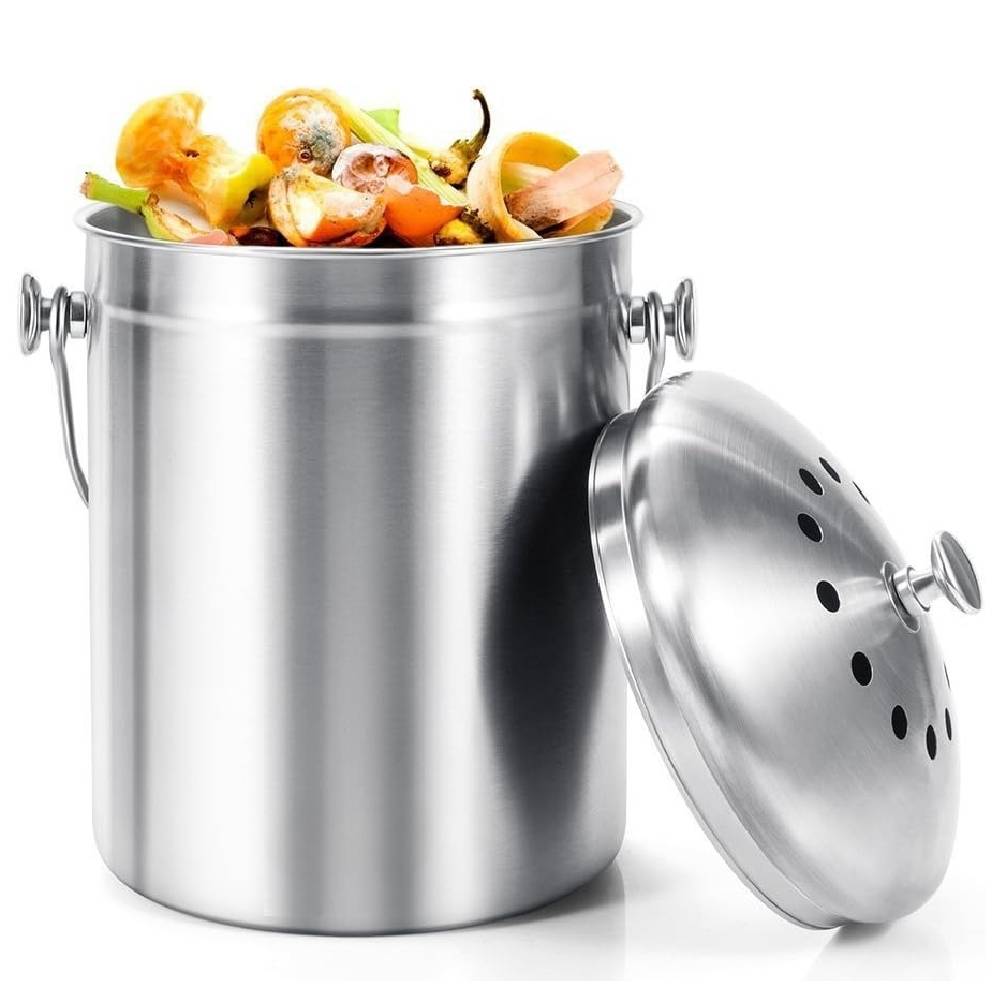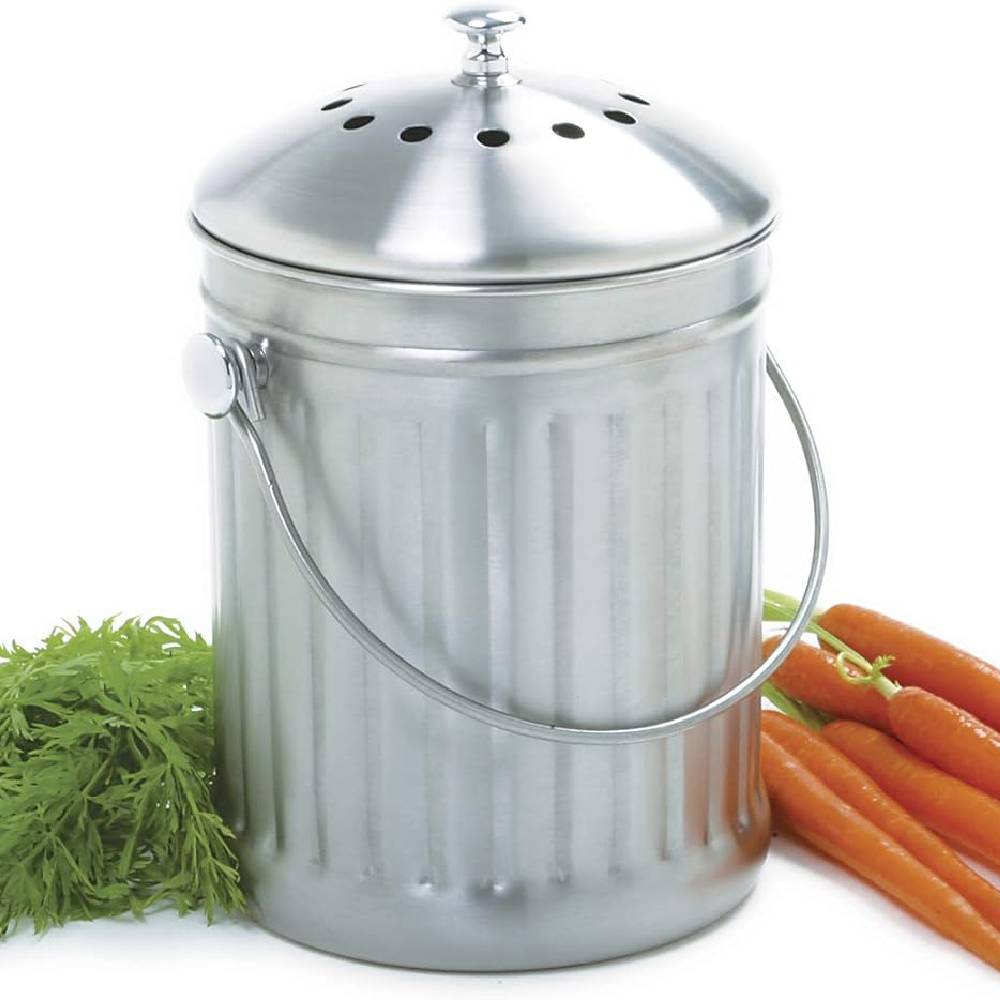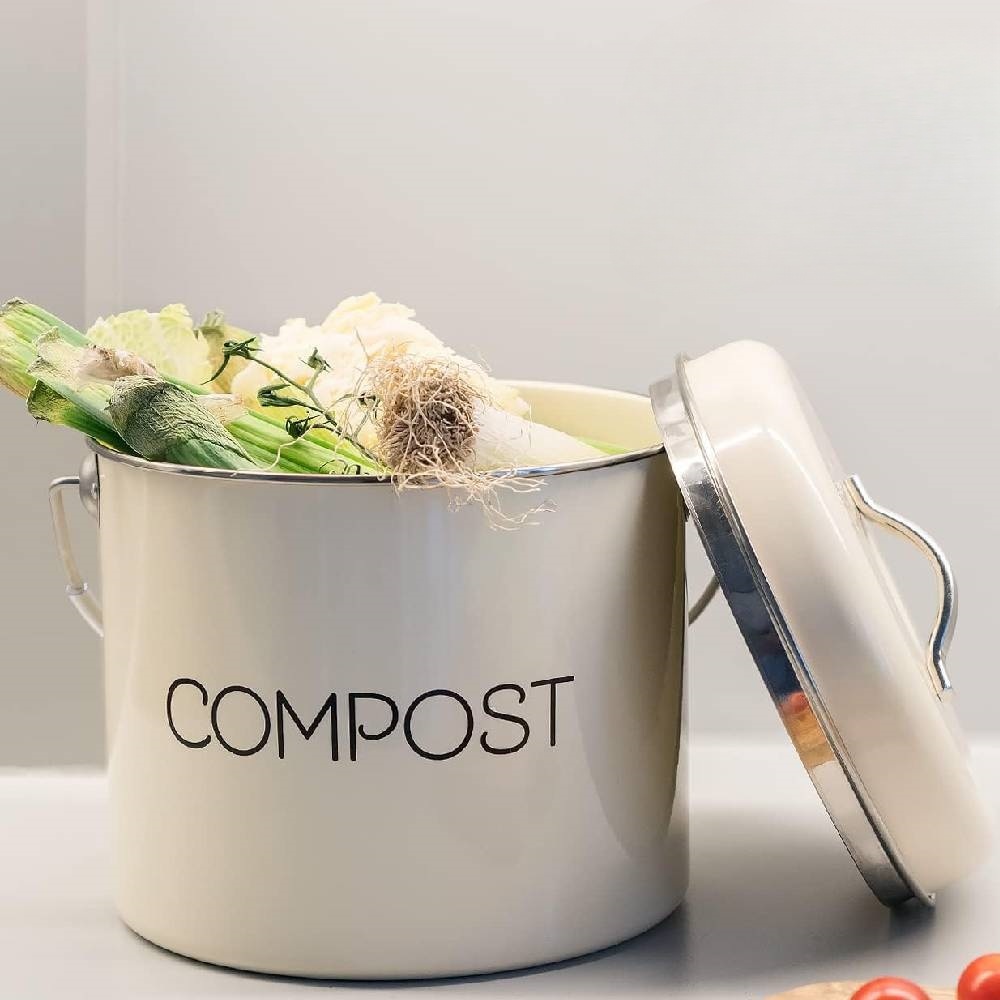
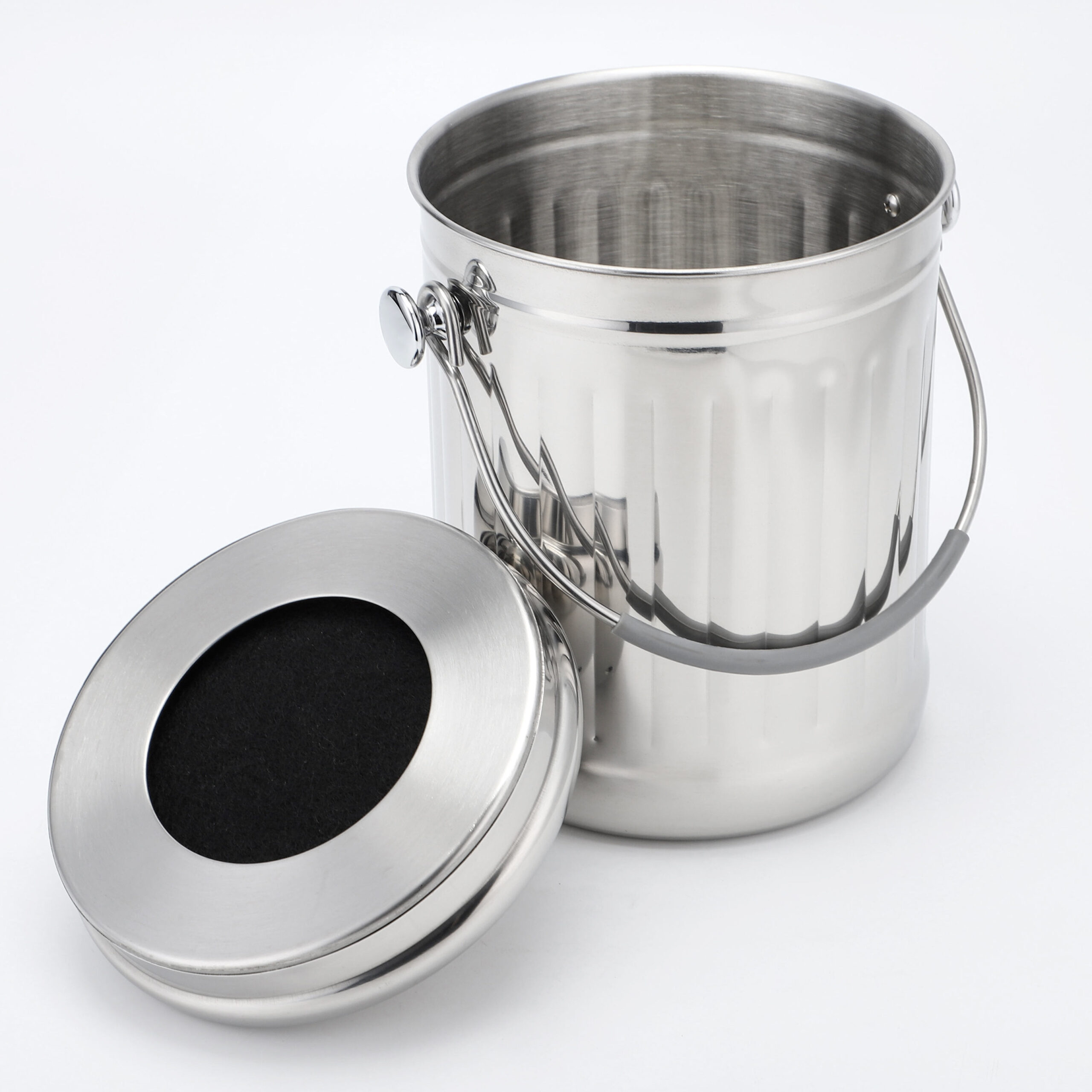
A stainless steel compost bin may have the right capacity and construction, yet an unsuitable surface finish can weaken its retail appeal. Fingerprints, visible scratches, inconsistent color, or a logo that does not match the finish can make a product look less refined on the shelf. For a buyer developing a private-label range, choosing the wrong stainless steel compost bin surface finish can also create unnecessary sampling and quality-control issues. The finish should therefore be selected together with appearance, daily use, branding, and target positioning.
The best stainless steel compost bin surface finish depends on the desired appearance, maintenance expectations, branding method, and target price. Brushed and matte finishes offer practical everyday appeal, while powder coating enables stronger color customization. Yesheng can evaluate finish and branding requirements for OEM and ODM stainless steel compost bin projects.
Mirror, Brushed and Matte Finishes: Which Appearance Fits the Market?
Surface treatment changes how a stainless steel compost bin looks and how easily everyday marks are noticed. For private-label buyers, the finish should support the product positioning rather than being selected only for appearance.
| Finish | Visual Character | Suitable Positioning | Buyer Consideration |
|---|---|---|---|
| Mirror | Highly reflective and polished | Decorative or premium appearance | Surface marks may be more noticeable |
| Brushed | Directional satin texture | Modern everyday kitchenware | Can provide a practical balance of appearance and maintenance |
| Matte | Low-reflection appearance | Contemporary and understated products | Useful when a softer visual effect is preferred |
Mirror Finish
A mirror finish creates a bright, reflective appearance and can support a more decorative product concept. However, private-label buyers should consider whether fingerprints, water marks, and surface scratches will be more visually apparent in the intended retail environment.
Brushed Finish
A brushed finish provides a directional texture that gives stainless steel a contemporary appearance. It can be a practical choice for kitchen products where buyers want a stainless steel look without an entirely reflective surface.
Matte Finish
A matte finish provides a more subdued appearance and can work well with minimalist kitchen designs. It may also help create visual differentiation when a retailer already carries several conventional polished stainless steel products.
- Choose mirror when visual reflection is an important part of the product concept.
- Choose brushed when a balanced stainless steel appearance is preferred.
- Choose matte when the brand favors a softer, modern appearance.
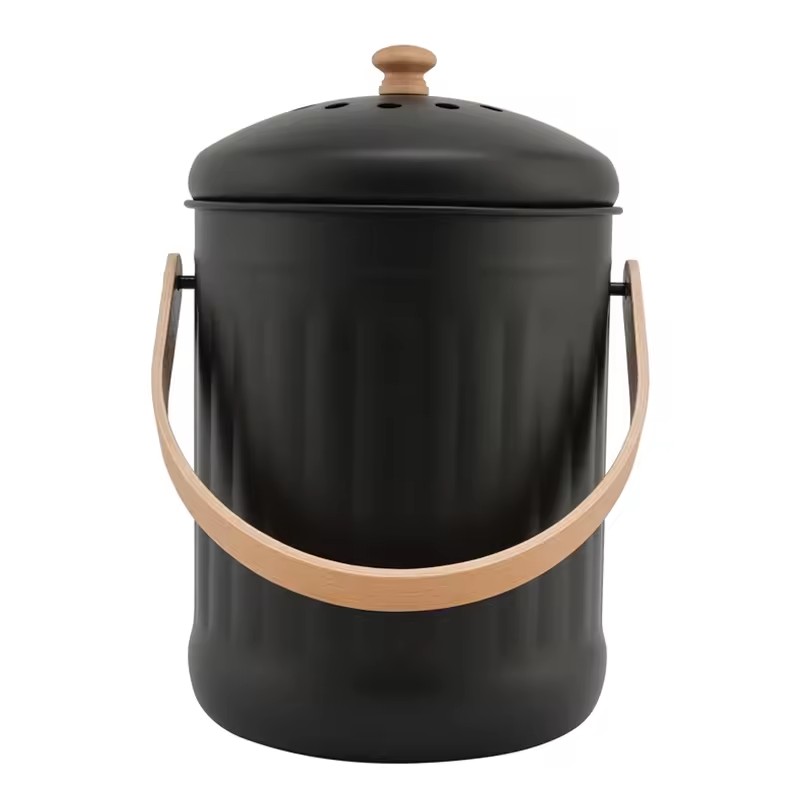 Powder Coating and Color Matching for Private Labels
For buyers who want to move beyond the natural stainless steel appearance, powder coating can create a stronger color-led product identity. This can be particularly relevant for private-label programs where the compost bin needs to coordinate with a retailer or brand color system.
Color selection should be treated as part of product development rather than simply a final decoration decision. The buyer and Manufacturer should agree on the desired color, surface appearance, sample approval process, and acceptable variation before mass production.
What Buyers Should Confirm
- Define the target color and overall visual direction.
- Confirm whether the required appearance is glossy, satin, or matte.
- Request a physical finish sample before production.
- Compare the approved sample with the final production specification.
- Confirm how the logo and other branding elements will work with the selected color.
Yesheng describes its stainless steel compost bin as having a simple and classical design, with a stainless steel construction intended for kitchen use. For Customizable private-label projects, the final finish and branding specification should be discussed according to the buyer product concept and production requirements.
Fingerprint and Scratch Visibility: Consider the Daily User Experience
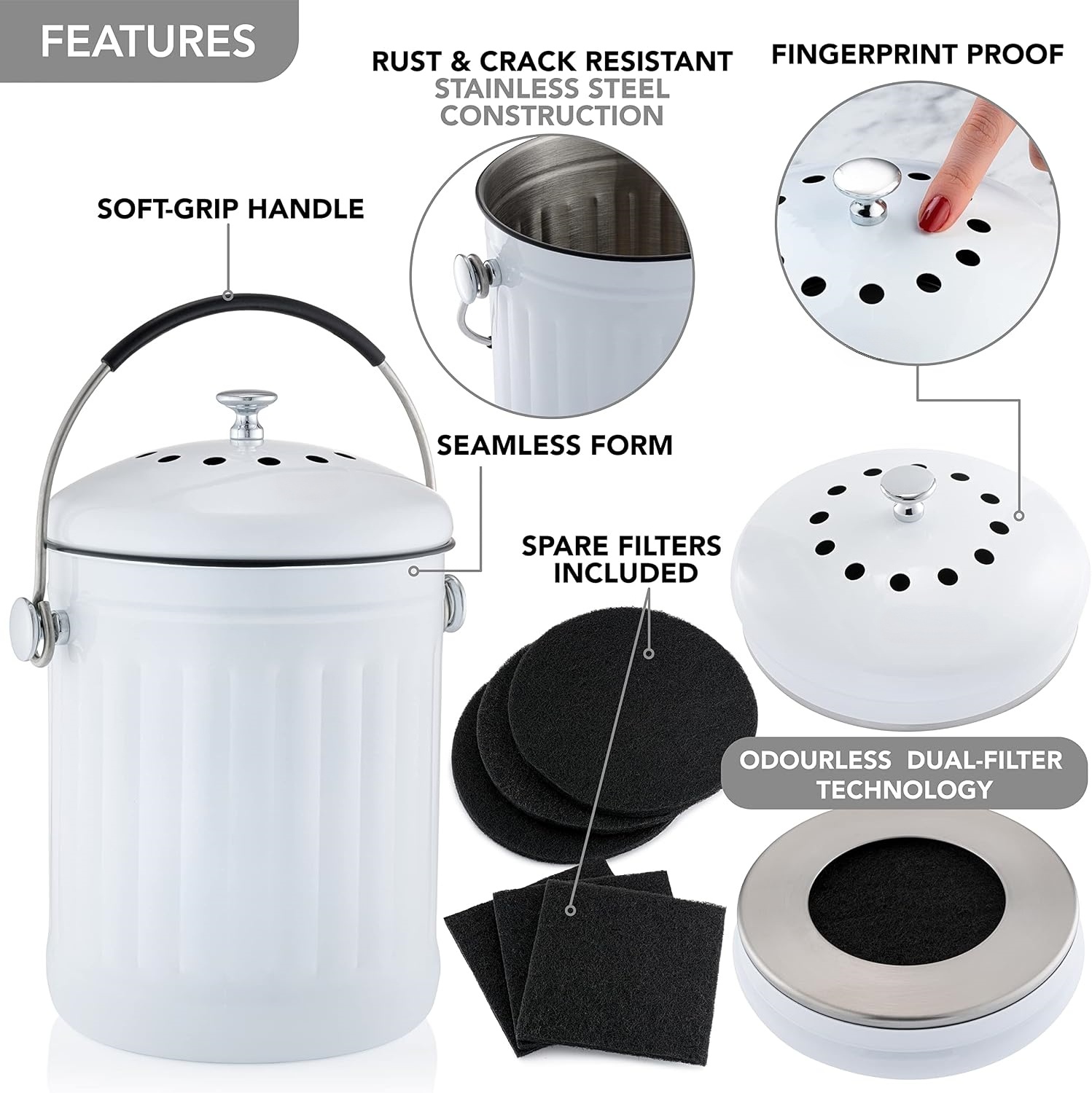
A compost bin is frequently handled in the kitchen. The lid, handle, and body can be touched repeatedly, while moisture and food residue may also affect the visible condition of the surface. Therefore, buyers should evaluate not only how a finish looks in a product photograph but also how it appears during everyday use.
Fingerprint Visibility
Highly reflective surfaces can make fingerprints and smudges more visually obvious. If the product is positioned as a premium kitchen accessory, the buyer should consider whether the selected finish creates a maintenance expectation that matches the target consumer.
Scratch Visibility
Different surface appearances can make scratches or scuff marks visually different. A buyer should inspect samples under normal retail and household lighting rather than judging the finish only from digital images.
- Check the surface under bright light.
- View the product from different angles.
- Handle the lid and body repeatedly during sample evaluation.
- Inspect areas around the handle and opening where contact is frequent.
- Compare the appearance before and after routine cleaning tests appropriate to the product specification.
 Finish Inspection Samples: Build the Approval Process Before Production
For a Wholesaler, retailer, supermarket, or specialty store, finish consistency can be just as important as the initial visual design. A physical approval sample provides a clearer reference than verbal descriptions such as silver, brushed, or matte.
A Practical Finish Approval Process
- Initial concept: Select the preferred finish and color direction.
- Sample: Request a physical sample showing the actual surface treatment.
- Visual inspection: Review texture, reflection, color, and overall appearance.
- Brand review: Evaluate the logo placement and contrast.
- Approval: Record the approved finish as part of the product specification.
- Production inspection: Compare finished production against the approved reference.
This process can reduce ambiguity between buyer and Supplier, especially when multiple product sizes or colors are included in one private-label collection.
What to Include in the Specification
- Base stainless steel material specification.
- Surface finish type.
- Color requirement where applicable.
- Gloss or visual appearance requirement where applicable.
- Logo position and size.
- Sample approval reference.
- Packaging and labeling requirements.
Logo Compatibility by Finish
A private-label compost bin is not complete until the surface and logo work together visually. The same logo treatment can produce different results on mirror, brushed, matte, or colored surfaces. Buyers should therefore test branding on the actual finish rather than approving the logo independently.
| Surface | Branding Consideration | Key Evaluation Point |
|---|---|---|
| Mirror stainless steel | Strong contrast may be needed | Check reflection and readability |
| Brushed stainless steel | Texture can affect visual clarity | Check logo alignment and contrast |
| Matte stainless steel | Supports understated branding | Check whether the logo remains sufficiently visible |
| Powder-coated surface | Color becomes part of the brand presentation | Check logo color and surface compatibility |
Questions for an OEM or ODM Project
- Will the logo be applied to the body, lid, or another component?
- Does the logo need to remain highly visible or intentionally subtle?
- Will the same logo be used across different finishes?
- Does the selected finish provide sufficient contrast?
- Has the branding been reviewed on a physical production sample?
For a Manufacturer working on private-label products, these questions help connect the surface treatment with the overall product design. Yesheng has stainless steel product experience across kitchenware categories, including compost bins, canisters, French press coffee makers, and salad bowls, providing a useful manufacturing base for related customization discussions.
 How to Select the Right Stainless Steel Compost Bin Surface Finish
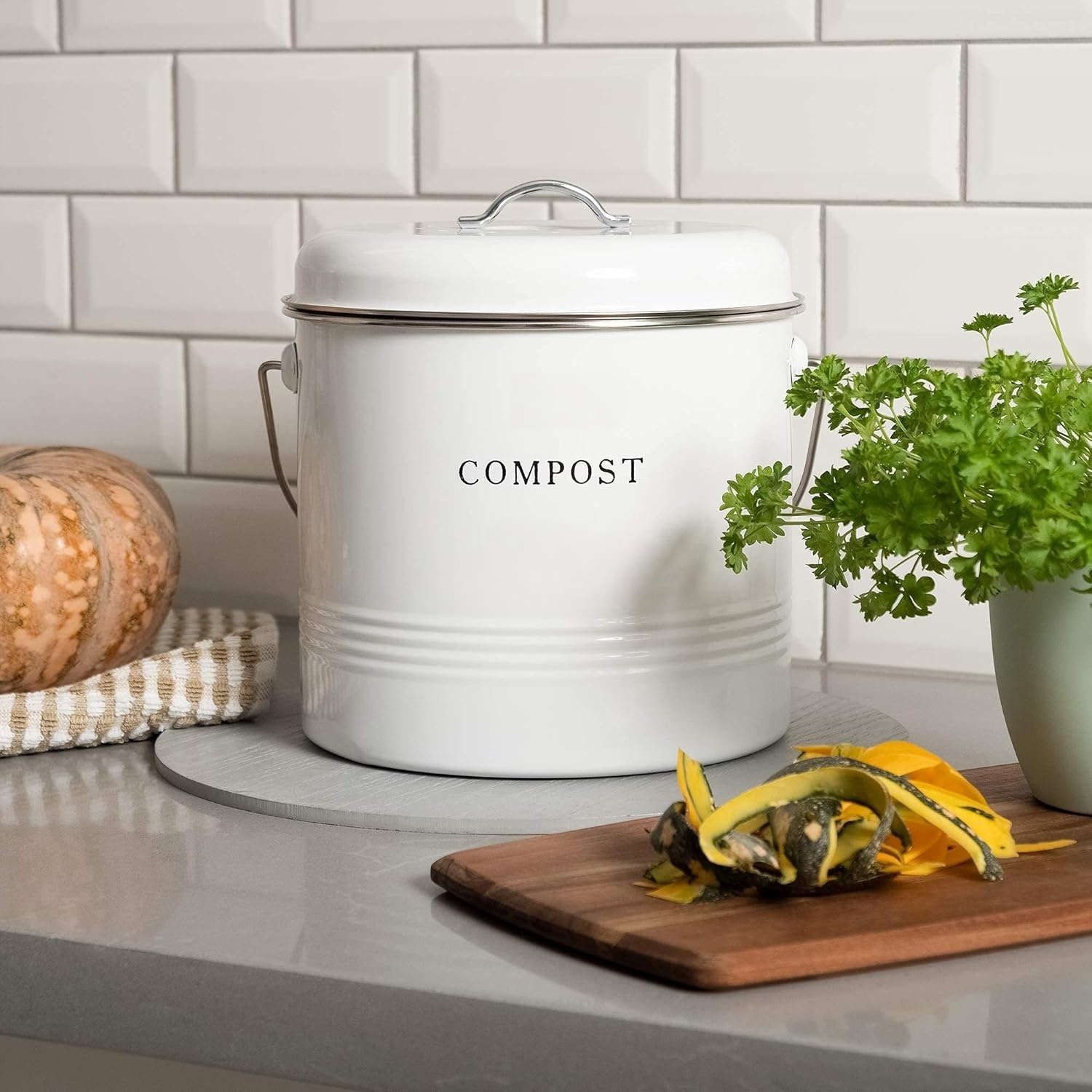
Rather than selecting a finish only because it looks attractive in a catalog, buyers can use a simple decision process that considers the product’s market position, daily use, and branding requirements.
- Identify whether the product should look premium, practical, contemporary, or minimalist.
- Decide whether natural stainless steel or a colored surface better fits the brand.
- Evaluate fingerprint and scratch visibility on physical samples.
- Check whether the logo remains clear on the selected surface.
- Confirm the finish specification with the Supplier before mass production.
- Keep an approved reference sample for quality inspection.
This approach is especially useful when a buyer is developing several private-label SKUs. The finish can become a product differentiation tool rather than an afterthought.
Yesheng as a Stainless Steel Compost Bin Manufacturing Partner
Jiangmen Yesheng Metal Products Co. Ltd was established in 2017 and has focused on stainless steel products, including stainless steel kitchenware and compost bins. The factory has hardware and injection molding workshops with multiple production machines, while its own import and export company was established in 2023 to support production, procurement, sales, and export processes.
For buyers developing private-label kitchen products, Yesheng can discuss product specifications, branding requirements, and customization according to the project. Its factory equipment includes hydraulic presses, punching machines, welding machines, cutting machines, die-casting machines, and rolling machines, supporting different production requirements and larger-volume orders.
For an OEM or ODM program, the recommended approach is to define the stainless steel compost bin surface finish, logo treatment, product specifications, and sample approval requirements together. This creates a clearer reference for both the buyer and production team.
Choose the Finish Before Finalizing the Private-Label Design
The right finish should match the product position, daily use, and branding strategy. Compare physical samples before ordering, then confirm the final specification with Yesheng. Contact the team to discuss finish options, Customizable designs, OEM or ODM requirements, and quotations.