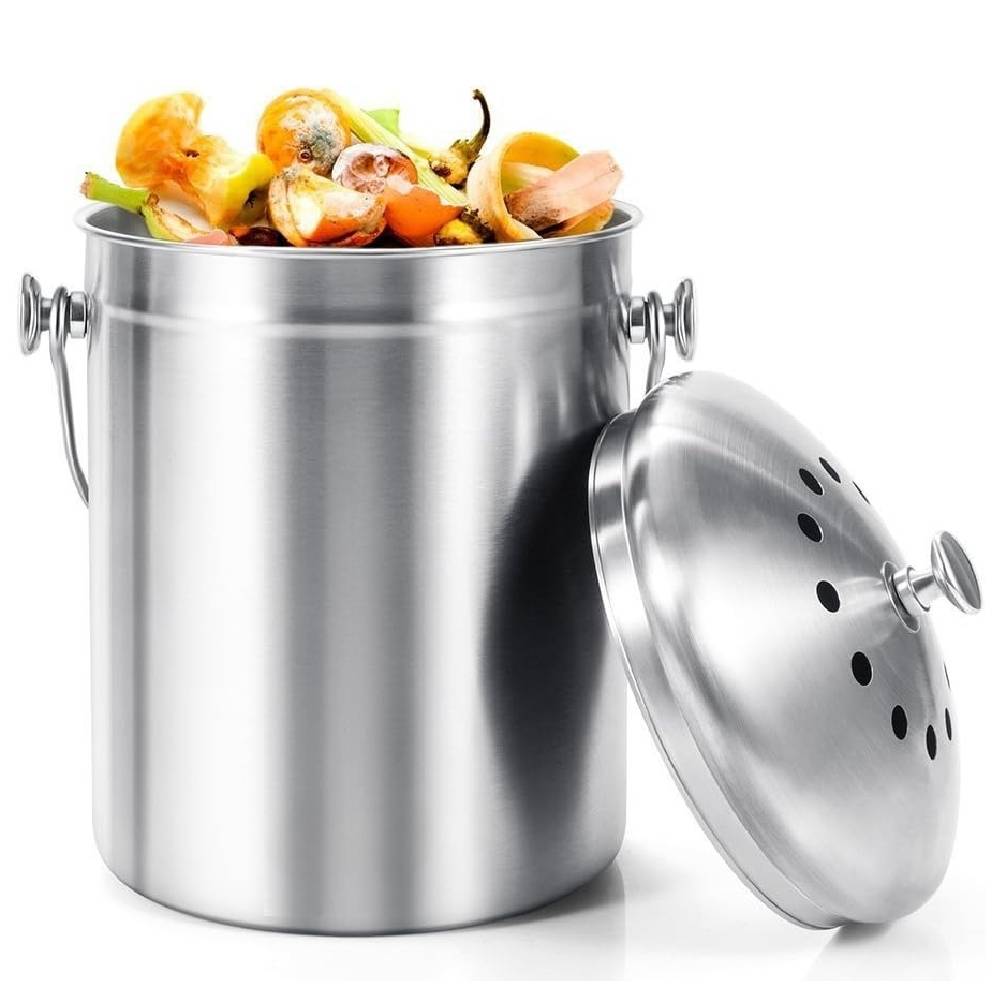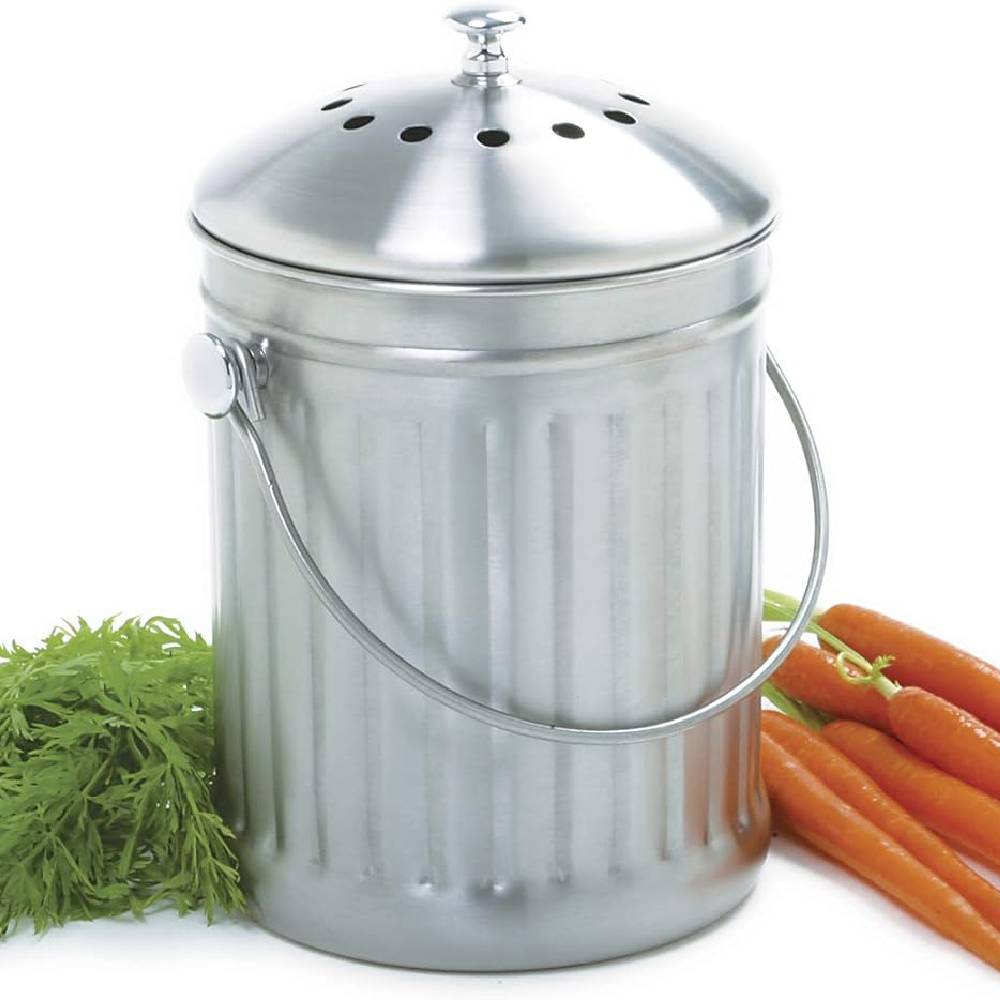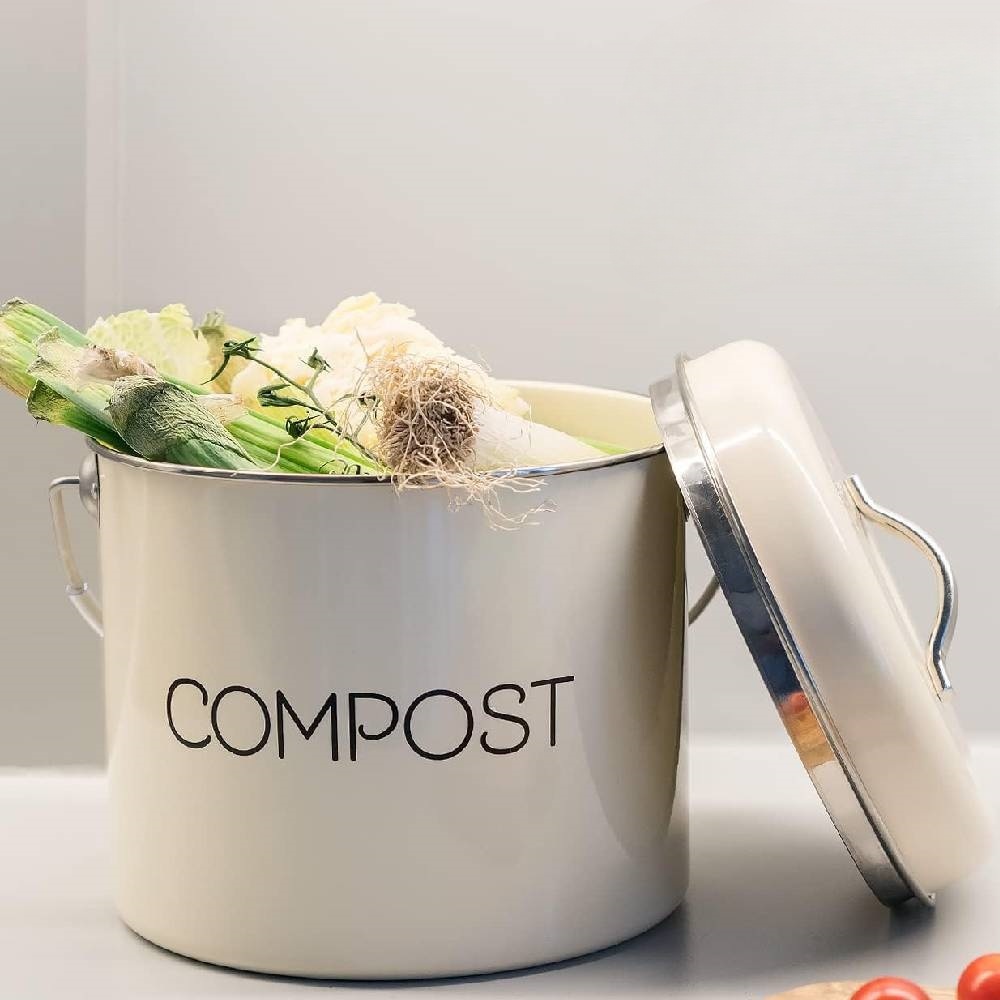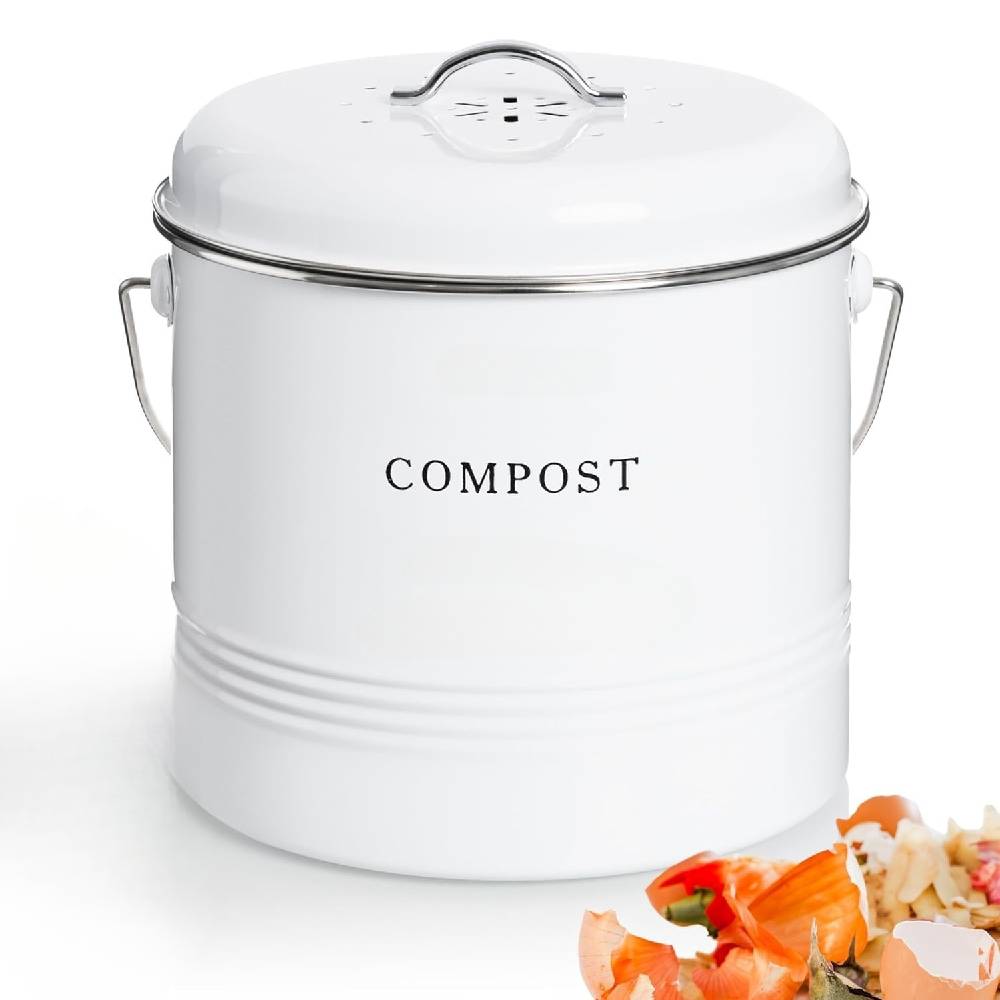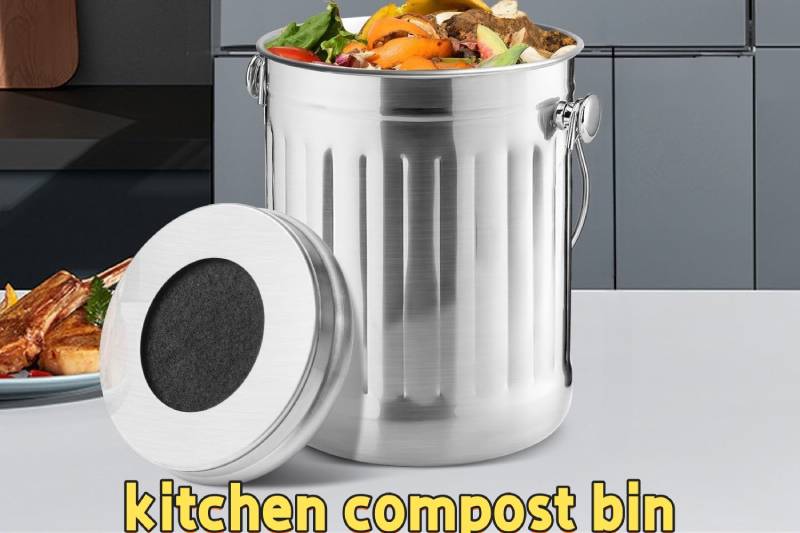
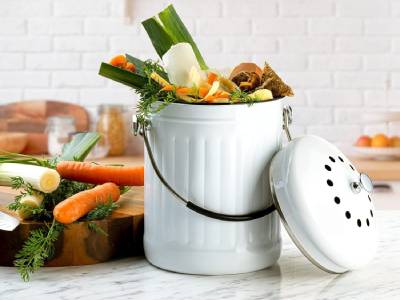
Retailers often add a stainless steel compost bin to their kitchenware range, but a single size or finish may not serve every customer segment. Too many similar SKUs can create slow-moving inventory, while too few options can make the category look incomplete. Without a clear assortment strategy, buyers may also struggle to balance price points, shelf space, colors, and replenishment. A structured stainless steel compost bin retail assortment helps retailers offer meaningful choices without unnecessarily increasing inventory complexity.
A practical stainless steel compost bin retail assortment should balance three elements: price levels, useful capacities, and coordinated finishes. Yesheng, a stainless steel kitchenware Manufacturer and Supplier, can support retailers with standard and Customizable options as well as OEM and ODM development for different market positions.
1. Build a Good-Better-Best Price Architecture
A retail assortment should give customers clear reasons to choose one product over another. Instead of offering several products that are almost identical, buyers can create different price levels based on capacity, finish, construction details, packaging, and branding.
Good: Entry-Level Option
The entry-level compost bin should focus on practical functionality and accessible pricing. This SKU can target price-sensitive shoppers and retailers that want to introduce the category without creating a high retail price.
- Practical capacity for everyday kitchen use
- Simple stainless steel construction
- Standard surface finish
- Efficient packaging
- Competitive target cost for volume sales
Better: Mainstream Retail Option
The middle price tier can become the core SKU of the assortment. It should provide a stronger combination of appearance, capacity, finish, and perceived value.
- More attractive proportions or design details
- Improved surface presentation
- More polished retail packaging
- Suitable capacity for a wider customer group
- Private-label branding opportunities
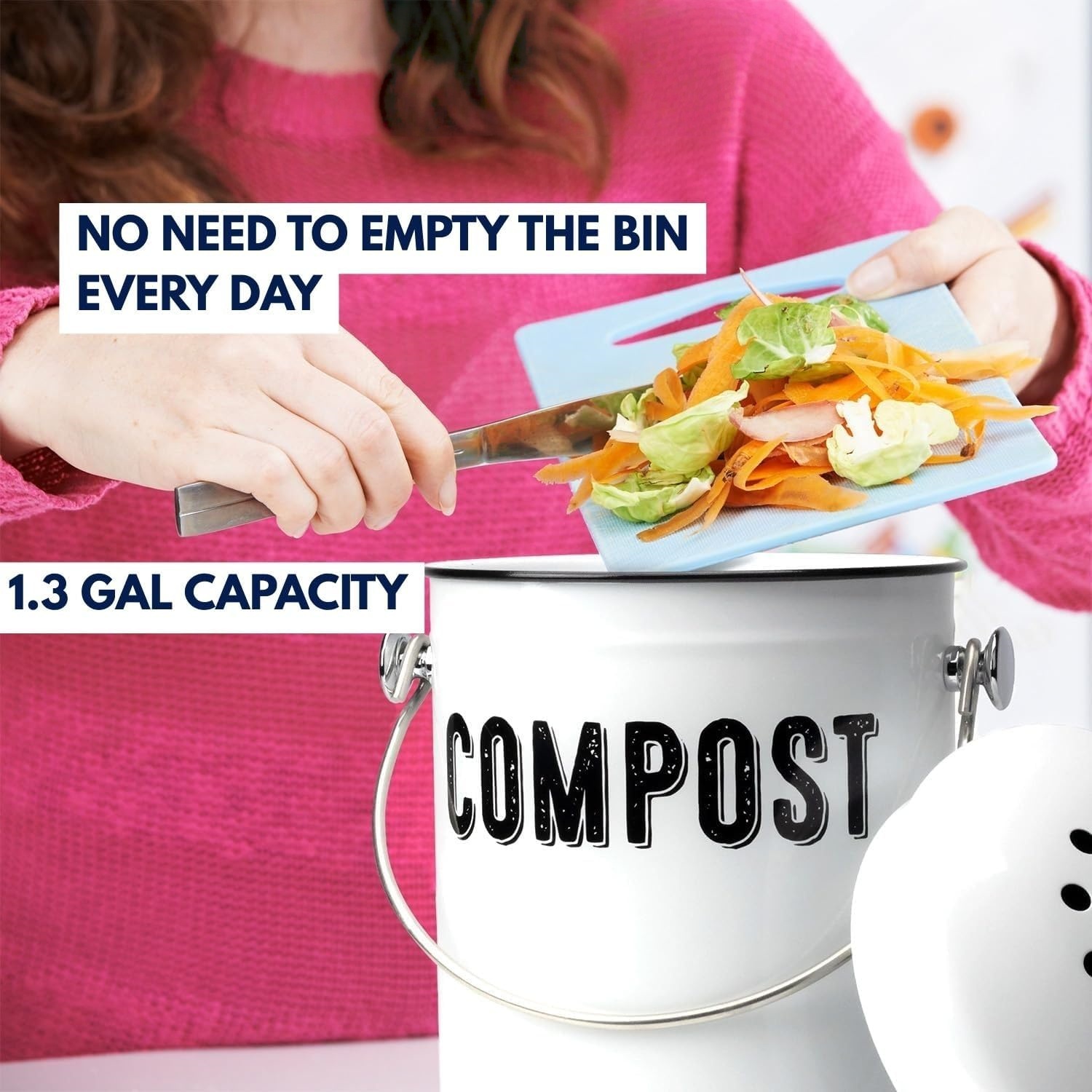 Best: Premium or Design-Led Option
The premium tier can target customers who place greater importance on kitchen aesthetics and coordinated home products. A higher price should be supported by visible differences rather than simply a higher price tag.
- Premium surface finish
- Distinctive design elements
- More sophisticated packaging
- Custom logo or branding
- Potential coordination with other kitchen storage products
| Tier | Main Purpose | Typical Differentiation |
|---|---|---|
| Good | Price-sensitive customers | Basic specification and efficient packaging |
| Better | Mainstream shoppers | Balanced design, capacity and finish |
| Best | Premium-oriented shoppers | Distinctive finish, design and presentation |
The exact price structure should be based on the target market, competitive environment, retail positioning, and expected sales volume. A Manufacturer can then work backward from the target specification to estimate the appropriate factory cost.
2. Select Sizes, Capacities and Set Combinations
Capacity is one of the easiest ways to create meaningful SKU differentiation. However, adding too many sizes can increase inventory complexity. The objective is to cover different usage scenarios while keeping the range manageable.
Start With Clear Usage Scenarios
Before selecting capacities, consider how customers are likely to use the compost bin.
- Small capacity: suitable for compact kitchens, apartments, or customers who prefer frequent emptying.
- Medium capacity: suitable for general household kitchen use and often appropriate as a core retail SKU.
- Larger capacity: suitable for households generating more food scraps or customers who want fewer emptying cycles.
Rather than choosing sizes simply because a factory can produce them, retailers should consider shelf space, target customer, shipping efficiency, and expected sales velocity.
Use Sets Carefully
Sets can help expand the assortment without requiring completely different product designs. For example, a retailer may combine a compost bin with complementary kitchen storage products or offer coordinated sizes under one private-label collection.
For an OEM or ODM project, buyers can discuss whether different capacities should share the same visual language, lid design, handle style, or packaging architecture.
| Assortment Approach | Advantage | Inventory Consideration |
|---|---|---|
| One core size | Simple purchasing and replenishment | Limited customer choice |
| Two complementary sizes | Broader usage coverage | Moderate SKU complexity |
| Three or more sizes | More complete assortment | Higher inventory and forecasting requirements |
| Size-based sets | Creates cross-selling opportunities | Requires coordinated packaging and stock planning |
3. Plan Color and Finish Allocation
Color can make a stainless steel compost bin look significantly different on the retail shelf. However, launching too many finishes at once can divide demand across multiple SKUs.
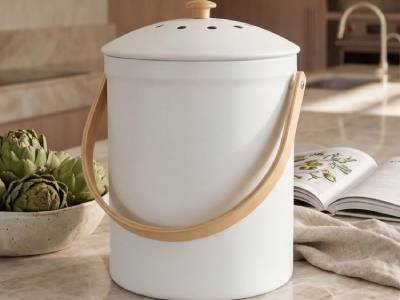 Use One Core Finish First
A practical approach is to establish one core finish that represents the main product identity. Additional colors can then be introduced after the retailer has sufficient sales information.
Potential assortment structures include:
- One classic stainless steel finish for the entire range
- One core metallic finish plus one colored option
- Different finishes assigned to different price tiers
- Several colors within one bestselling capacity
Match Finish to Market Position
A colored finish may help a retailer create a more lifestyle-oriented product, while a conventional stainless steel appearance can communicate a more straightforward kitchenware style. The appropriate choice depends on the retailer’s brand identity and target consumer.
For a Customizable private-label project, buyers should confirm the desired color, surface treatment, sample approval process, logo appearance, and packaging artwork before mass production.
4. Consider Shelf-Ready Packaging From the Beginning
A retail assortment is not complete when the product itself is selected. Packaging affects how efficiently products move through warehouses, how they appear on shelves, and how much space they occupy during transportation.
Packaging Should Support the Assortment
If several sizes share the same brand identity, packaging can use a consistent visual system while clearly identifying each capacity.
- Keep brand positioning consistent across SKUs.
- Display capacity clearly on the front or side panel.
- Use product photography or graphics that distinguish different models.
- Include barcode and SKU information where required.
- Design carton dimensions around efficient warehouse and transport handling.
Think About Shelf Space
Before approving packaging, retailers should estimate how many units can fit on the intended shelf or display area. A product with attractive packaging may still create logistical problems if its carton is unnecessarily large.
For wholesale programs, packaging decisions should also consider master-carton quantity, carton strength, palletization, and shipping cost. A Wholesaler may prioritize efficient carton packing, while a specialty retailer may require stronger retail presentation.
5. Plan Trial Orders and Replenishment
A new compost bin assortment should not necessarily begin with the maximum number of SKUs. A controlled trial can provide useful information about which capacities, finishes, and price points deserve further investment.
Start With a Manageable SKU Structure
- Select the core capacity or capacities.
- Choose the main finish and one optional color if appropriate.
- Establish good-better-best positioning if the market supports it.
- Confirm packaging and retail labeling.
- Place a trial order based on realistic sales expectations.
- Track sales performance by SKU.
- Replenish faster-moving SKUs while reviewing slower products.
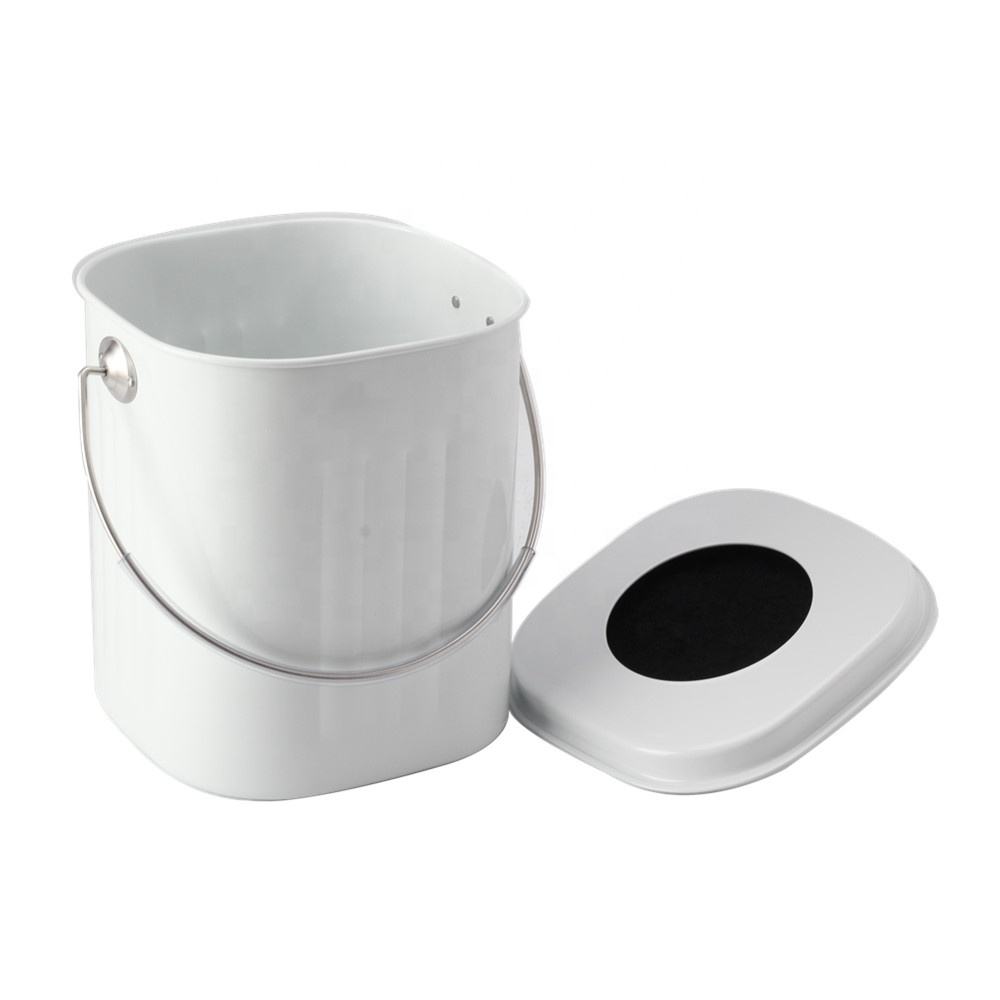 Use Sales Data for Replenishment
After the first selling period, buyers can evaluate each SKU according to several practical indicators:
- Units sold by SKU
- Weekly or monthly sales velocity
- Reorder frequency
- Inventory days remaining
- Return or complaint rate
- Sales contribution by capacity and finish
This information can help determine whether to increase order quantities, maintain the existing assortment, modify packaging, or introduce another size or finish.
Discuss Forecasts With the Supplier
When a retailer expects regular replenishment, sharing an estimated purchasing forecast with the Supplier can make production planning more practical. It also helps the factory understand whether the program is a one-time order or an ongoing retail range.
Yesheng can discuss standard stainless steel compost bin models as well as OEM and ODM requirements for buyers who need specific capacities, finishes, branding, or packaging. The exact production solution should be confirmed through product specifications and sample evaluation.
6. Create a Simple Assortment Decision Checklist
Before finalizing a stainless steel compost bin retail assortment, buyers can review the following questions:
- Does every SKU have a clear customer or usage purpose?
- Are the price differences supported by visible product differences?
- Are the selected capacities complementary rather than repetitive?
- Is the number of colors manageable for the expected sales volume?
- Can all SKUs share a consistent packaging system?
- Are carton dimensions suitable for storage and transportation?
- Is the trial order quantity appropriate for the expected demand?
- Can the Supplier support repeat production for successful SKUs?
- Are OEM or Customizable requirements clearly documented before production?
If several products cannot be clearly differentiated, the assortment may contain unnecessary SKU complexity. A smaller range with clear positioning can be easier to purchase, stock, display, and replenish.
7. Build the Assortment Around the Retail Program
The right assortment depends on where and how the compost bins will be sold. A supermarket may prioritize accessible pricing and efficient shelf turnover. A home-goods retailer may require stronger design differentiation. An Amazon seller may focus more heavily on packaging, dimensions, product differentiation, and online presentation.
Therefore, buyers should avoid asking a Manufacturer to simply provide as many models as possible. Instead, provide the target retail price range, customer profile, preferred capacities, finish requirements, packaging expectations, and estimated quantity.
For Yesheng, this information provides a practical starting point for recommending suitable stainless steel kitchenware configurations and preparing a quotation. The final assortment can then be refined after samples, cost review, and market testing.
Conclusion: Turn Product Choices Into a Manageable Retail Range
A successful stainless steel compost bin assortment should balance price, capacity, finish, packaging, and replenishment rather than simply adding more SKUs. Contact Yesheng to discuss suitable standard, OEM, or ODM options for your retail program and request a product quotation.