 How Can Importers Identify a Reliable OEM and ODM Stainless Steel French Press Manufacturer?
Finding a stainless steel French press supplier is easy. Finding a manufacturing partner capable of delivering consistent quality, stable lead times, and long-term product development support is much more difficult.
Many buyers encounter similar problems after placing orders. Samples look excellent, but mass production quality declines. Delivery schedules slip. Communication becomes slow. Product customization options are limited. These issues can result in delayed launches, dissatisfied customers, and increased operational costs.
The challenge becomes even greater when building a private-label brand. Without a qualified OEM or ODM partner, product differentiation becomes difficult and margins remain under pressure.
The solution is to evaluate manufacturers based on technical capabilities, quality systems, development resources, and long-term supply stability rather than focusing solely on price.
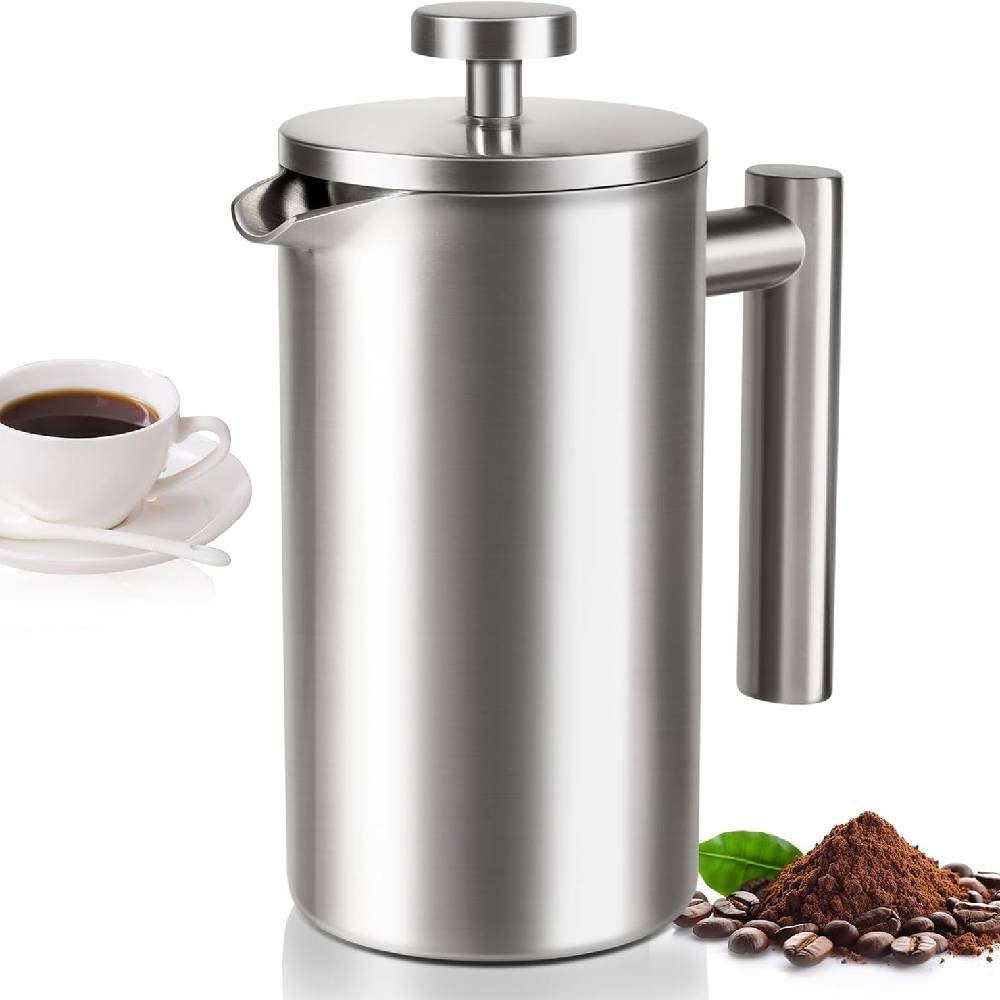
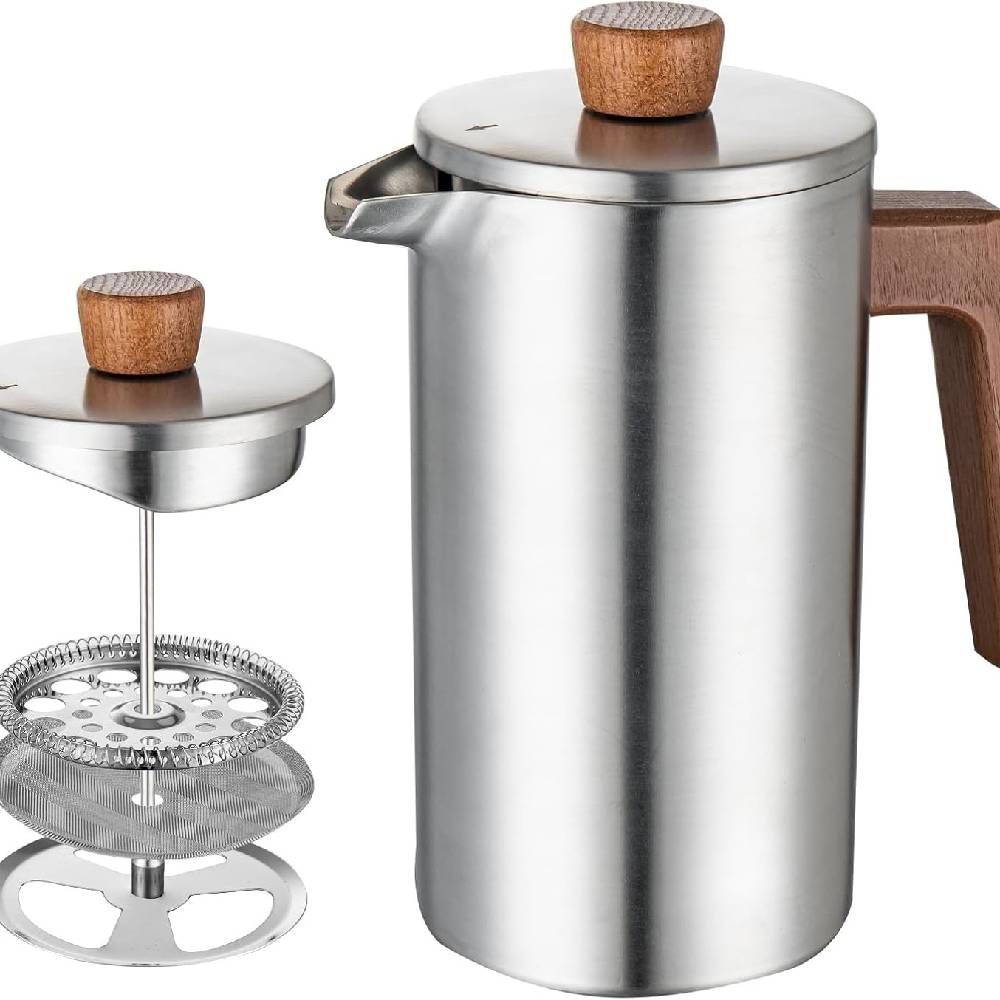
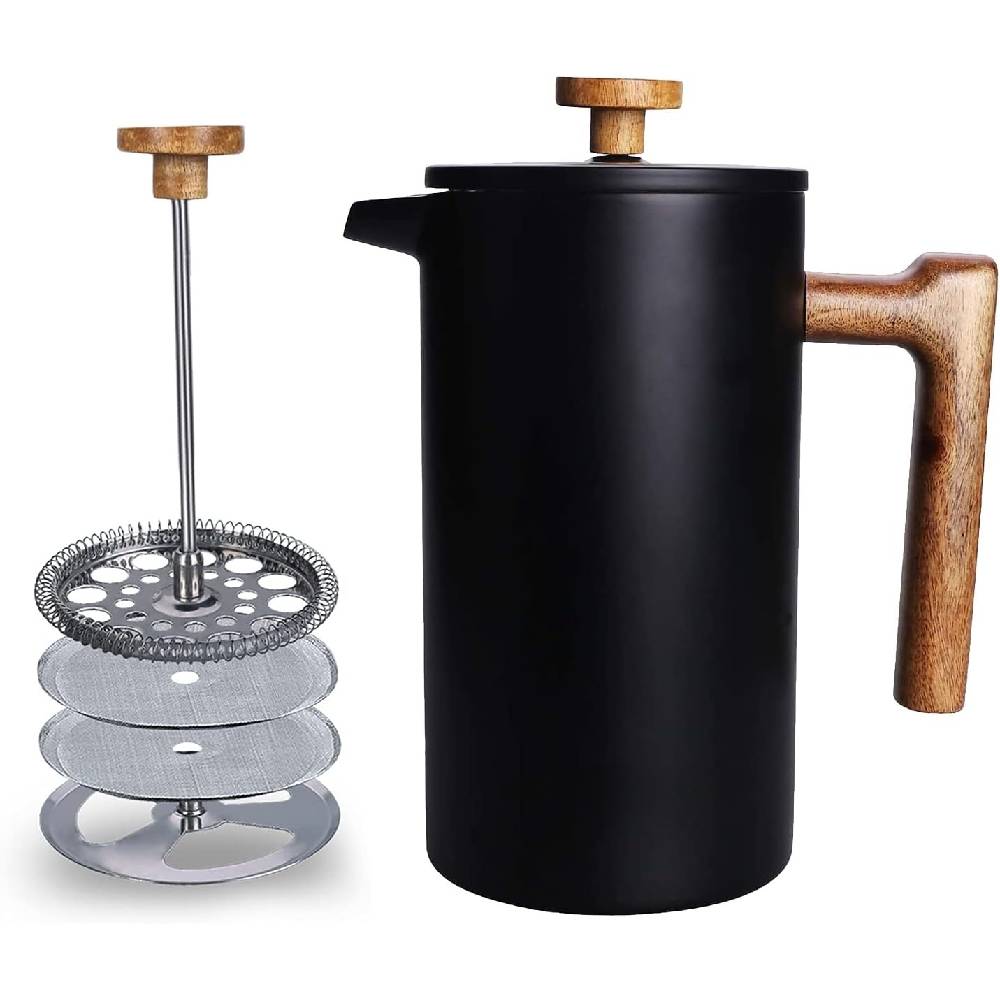
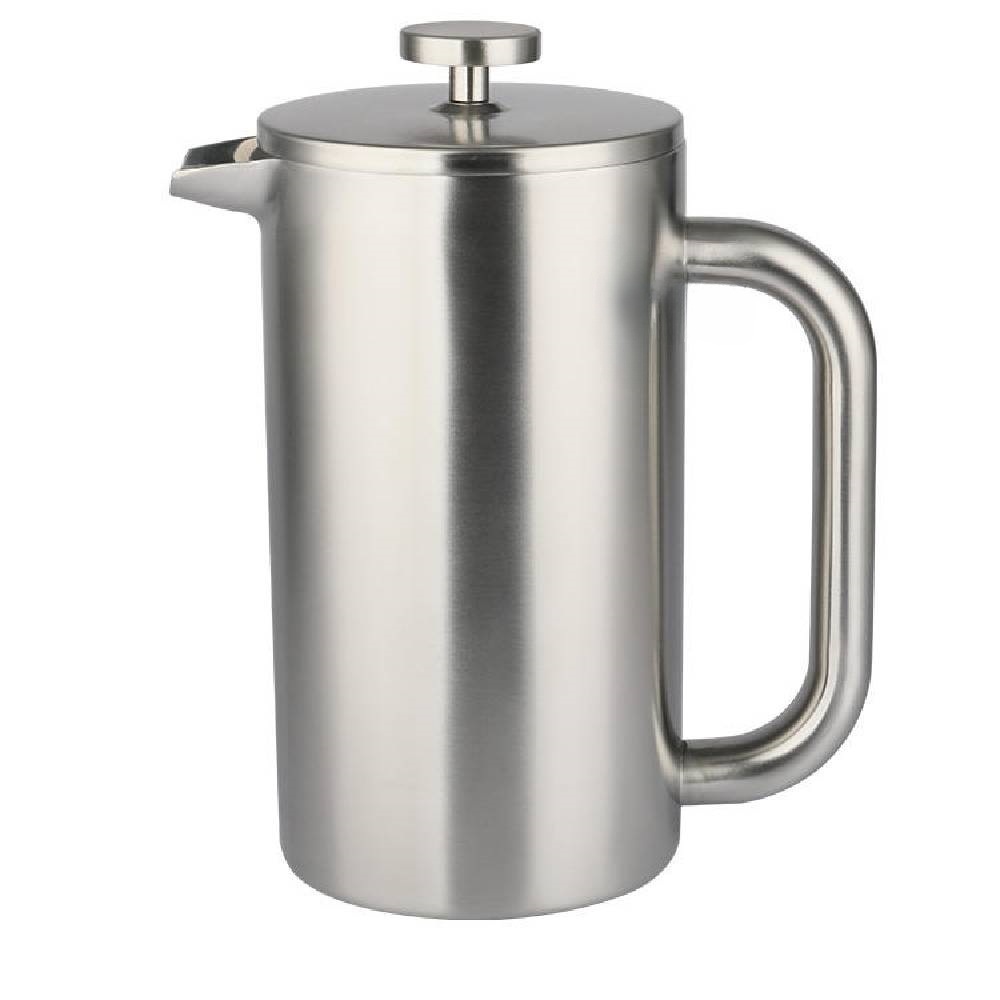
A reliable stainless steel French press Manufacturer should offer strong OEM and ODM capabilities, certified materials, strict quality control procedures, customization flexibility, and proven export experience. Our company provides complete product development support, helping global brands create competitive and customizable French press solutions.
Many suppliers can produce a French press, but only a small number can consistently support brand growth across multiple markets. The following sections explain the most important evaluation criteria buyers should examine before selecting a manufacturing partner.
Why Manufacturing Experience Matters More Than Factory Size
Large factories often attract attention because of their production capacity. However, size alone does not guarantee product quality.
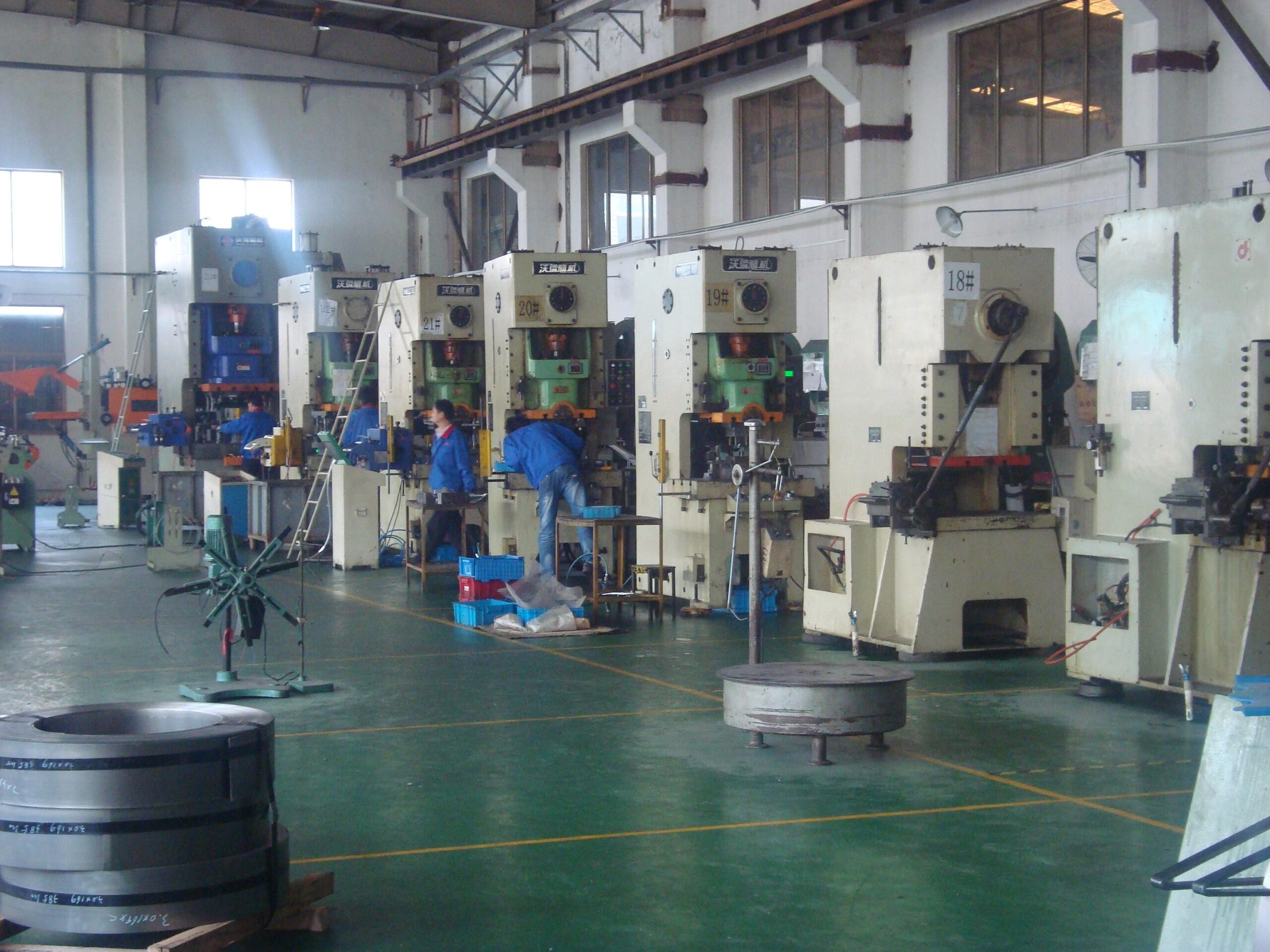
For stainless steel French press production, specialized experience is usually more valuable than factory scale. Experienced manufacturers understand the challenges associated with:
- Deep drawing stainless steel components
- Welding consistency
- Double-wall construction
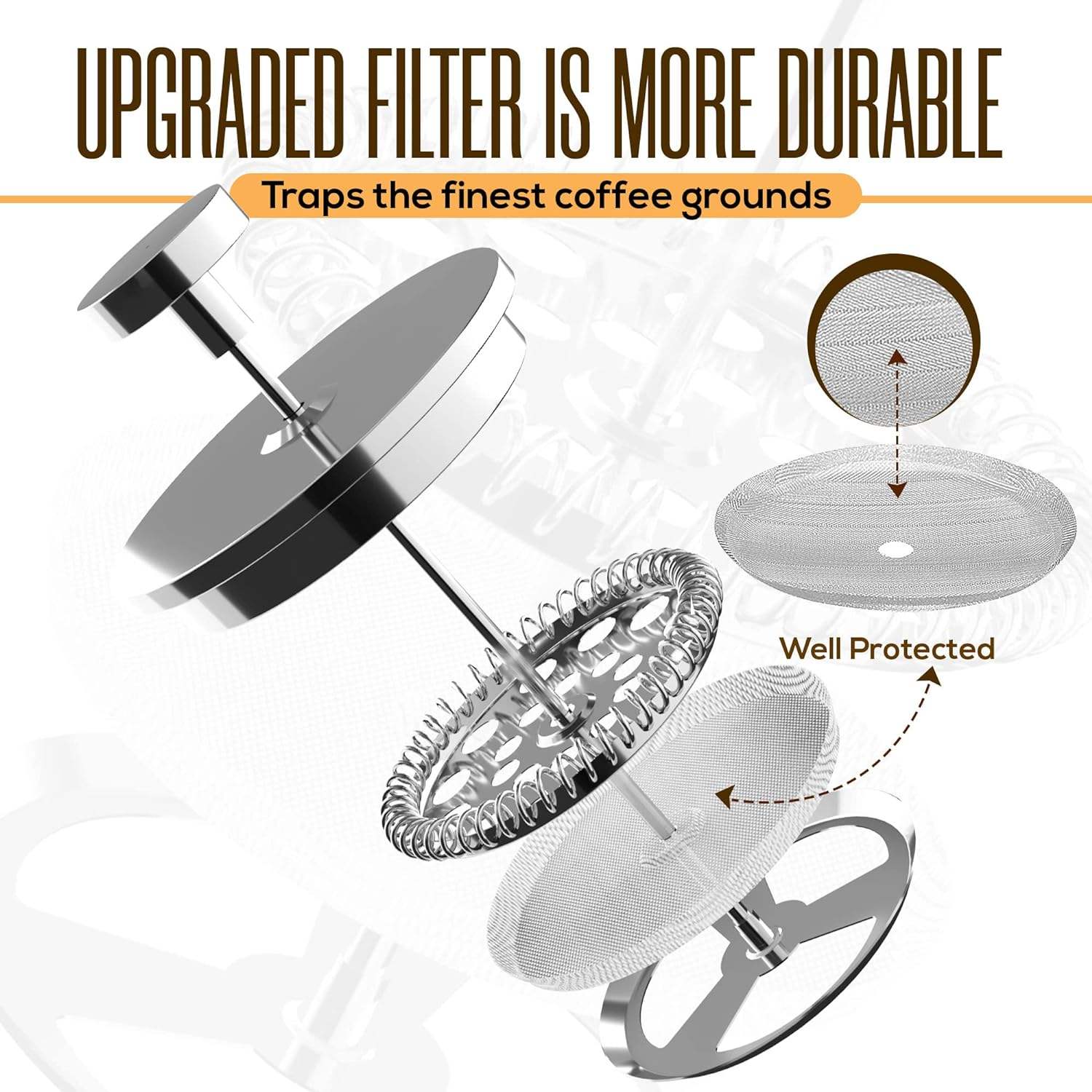
- Precision filter assembly
- Surface finishing quality
A factory with years of dedicated experience in coffeeware production can often deliver better results than a larger supplier with a broader product portfolio.
Questions Buyers Should Ask
- How many years have you manufactured French presses?
- What percentage of production is coffee-related products?
- Which export markets do you currently serve?
- Can you provide examples of private-label projects?
Why OEM and ODM Capabilities Create Competitive Advantages
Today’s retail market is crowded. Simply sourcing a standard product often results in direct price competition.
Strong OEM and ODM capabilities help brands build unique product positioning.
OEM Manufacturing Advantages
- Logo application
- Custom packaging
- Special finishes
- Color variations
- Accessory selection
ODM Development Advantages
- New product development
- Exclusive tooling
- Structural modifications
- Unique handle designs
- Custom capacity options
Brands pursuing long-term growth often choose suppliers capable of both OEM and ODM cooperation.
Why Quality Control Systems Should Be Audited Before Ordering
Quality consistency is one of the most important factors influencing customer satisfaction.
Professional manufacturers implement inspection procedures throughout production rather than relying only on final inspection.
| Inspection Stage | Purpose | Risk Prevented |
|---|---|---|
| Raw Material Inspection | Verify steel grade | Material substitution |
| Production Inspection | Monitor dimensions | Assembly issues |
| Functional Testing | Check filtration performance | User complaints |
| Final Inspection | Confirm finished quality | Shipment defects |
Why Material Traceability Is Essential for International Markets
Food-contact products face increasingly strict regulatory requirements.
Professional manufacturers should provide documentation supporting the use of certified materials.
- FDA compliance
- LFGB testing
- Food-contact declarations
- Material Test Reports (MTR)
Traceable supply chains improve buyer confidence and simplify compliance verification when entering new markets.
Why Product Development Resources Matter
Consumer preferences continue to evolve. Successful brands frequently introduce new colors, capacities, and design features.
Manufacturers with in-house engineering resources can accelerate development cycles.
- 3D design support
- Prototype development
- Tooling engineering
- Packaging design assistance
- Cost optimization recommendations
A capable Supplier becomes more than a production source. They become a product development partner.
Why Supply Chain Stability Influences Long-Term Success
Production interruptions can negatively impact inventory planning and customer relationships.
Before selecting a supplier, buyers should evaluate:
- Raw material sourcing stability
- Production capacity
- Lead time consistency
- Export logistics experience
- Quality management systems
| Evaluation Area | Basic Supplier | Professional Manufacturer |
|---|---|---|
| OEM Support | Limited | Comprehensive |
| ODM Development | Minimal | Full Project Support |
| Quality Documentation | Basic | Complete Traceability |
| Customization Options | Standard Only | Highly Customizable |
| Long-Term Partnership Potential | Moderate | High |
Conclusion
Choosing the right stainless steel French press Manufacturer requires evaluating technical expertise, quality systems, OEM and ODM capabilities, and supply chain reliability. A qualified manufacturing partner can help reduce sourcing risks, improve product consistency, and support long-term brand growth.
As an experienced Stainless Steel French Press Manufacturer and Supplier, we provide high-quality coffeeware solutions for wholesalers, distributors, retailers, and private-label brands worldwide. Whether you need standard products or fully Customizable OEM and ODM French Press projects, our team is ready to help.
If you are looking for a professional stainless steel French press supplier, visit www.jmyesheng.com to explore our manufacturing capabilities, product range, and customization solutions.