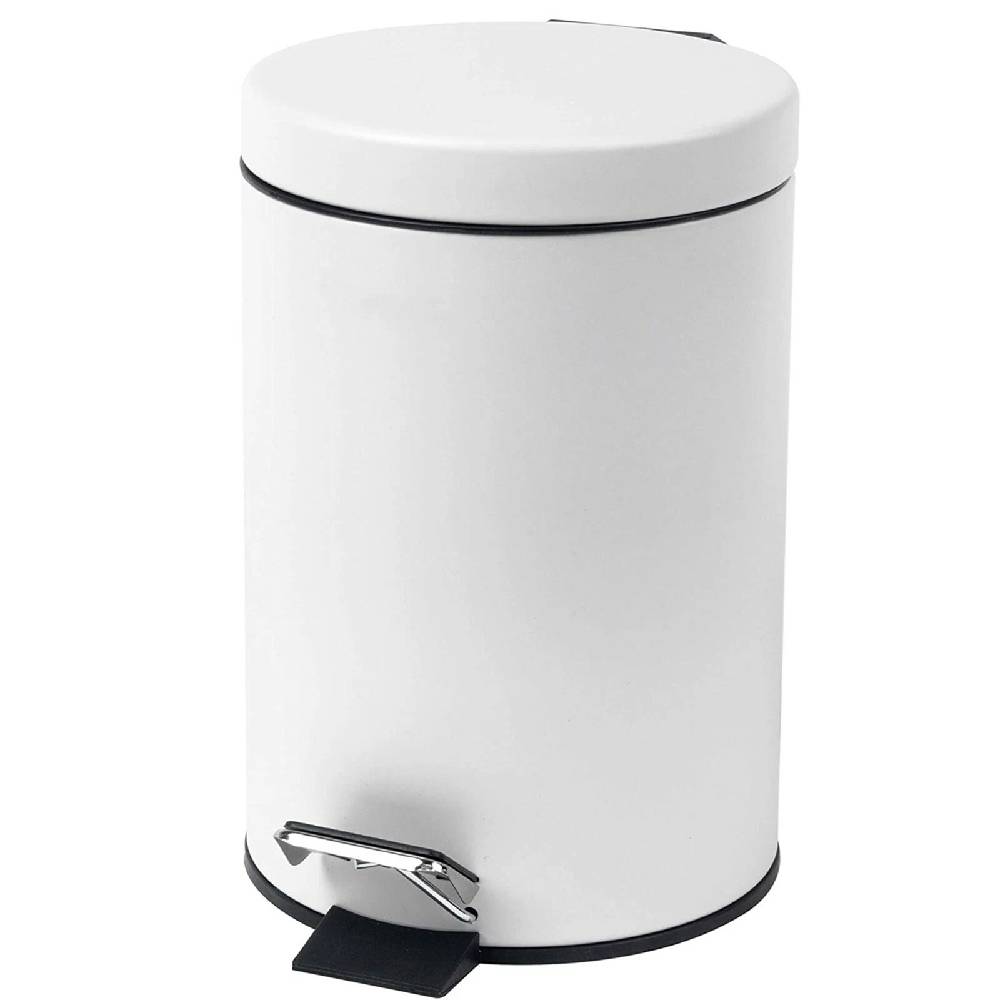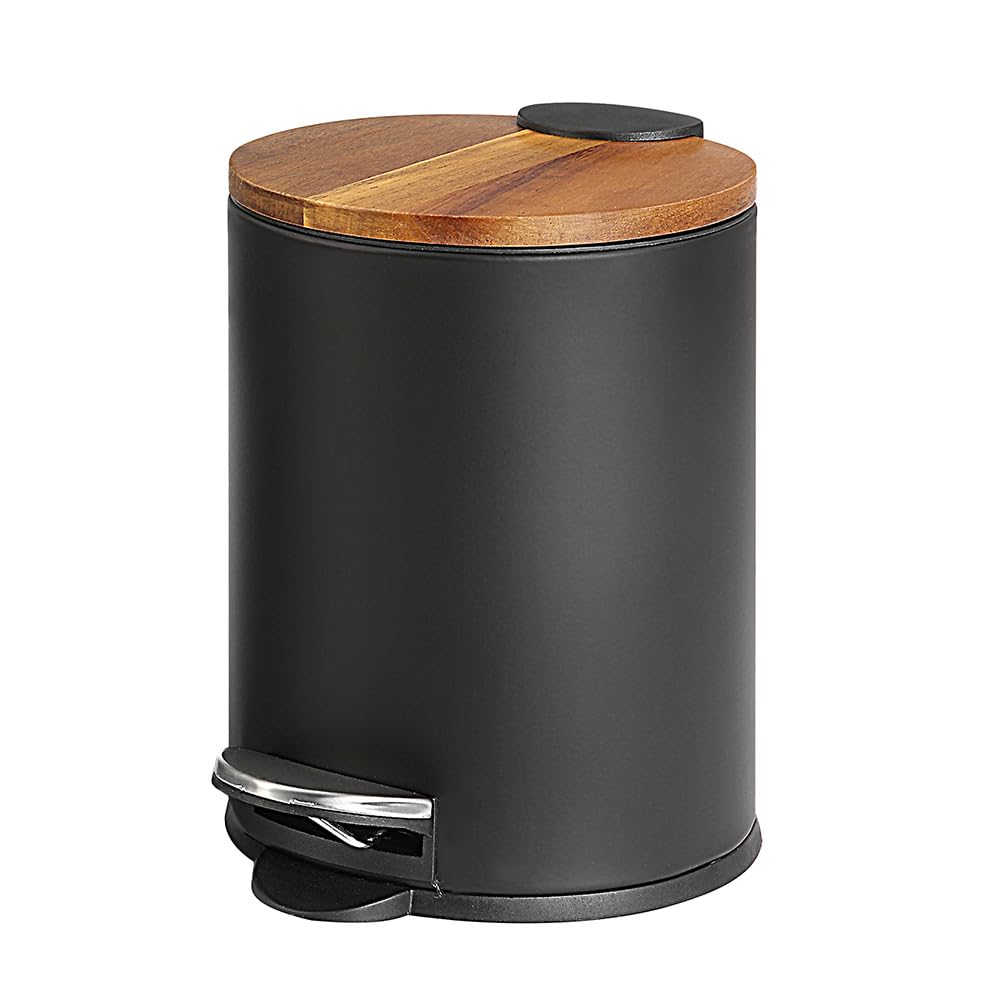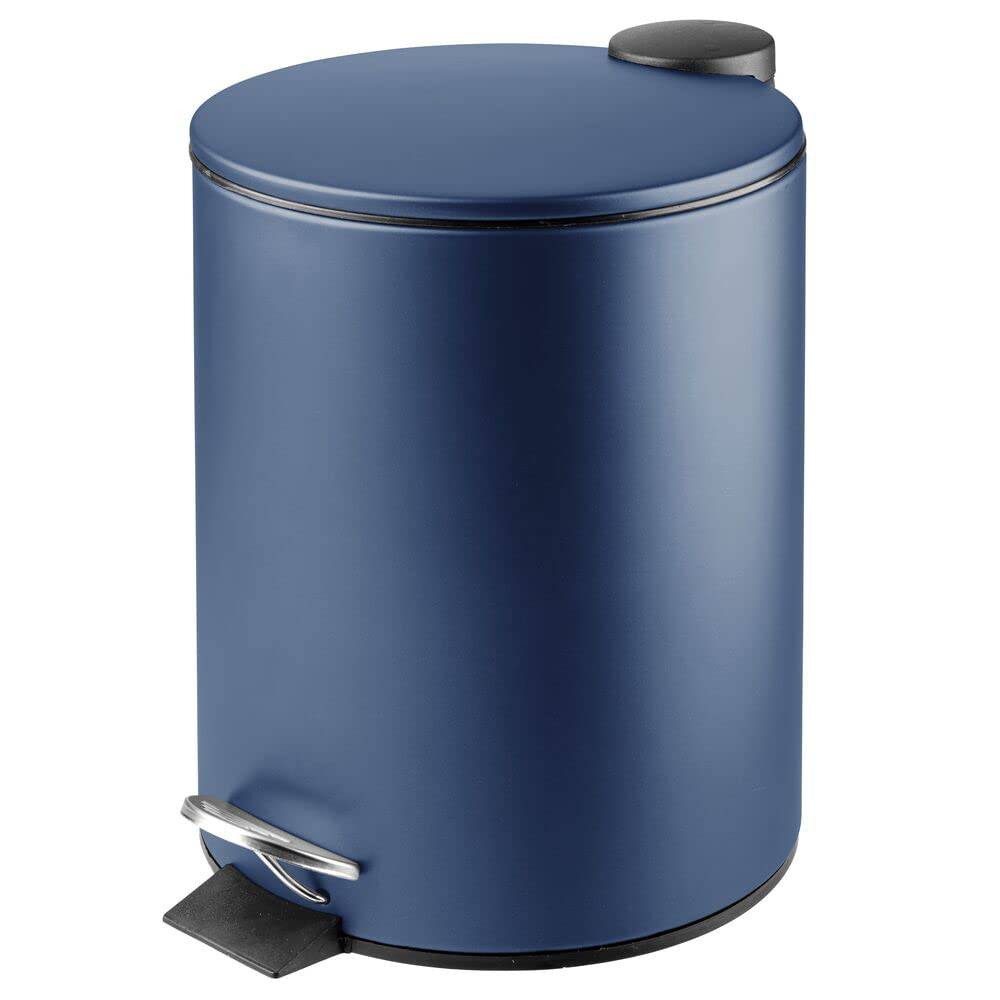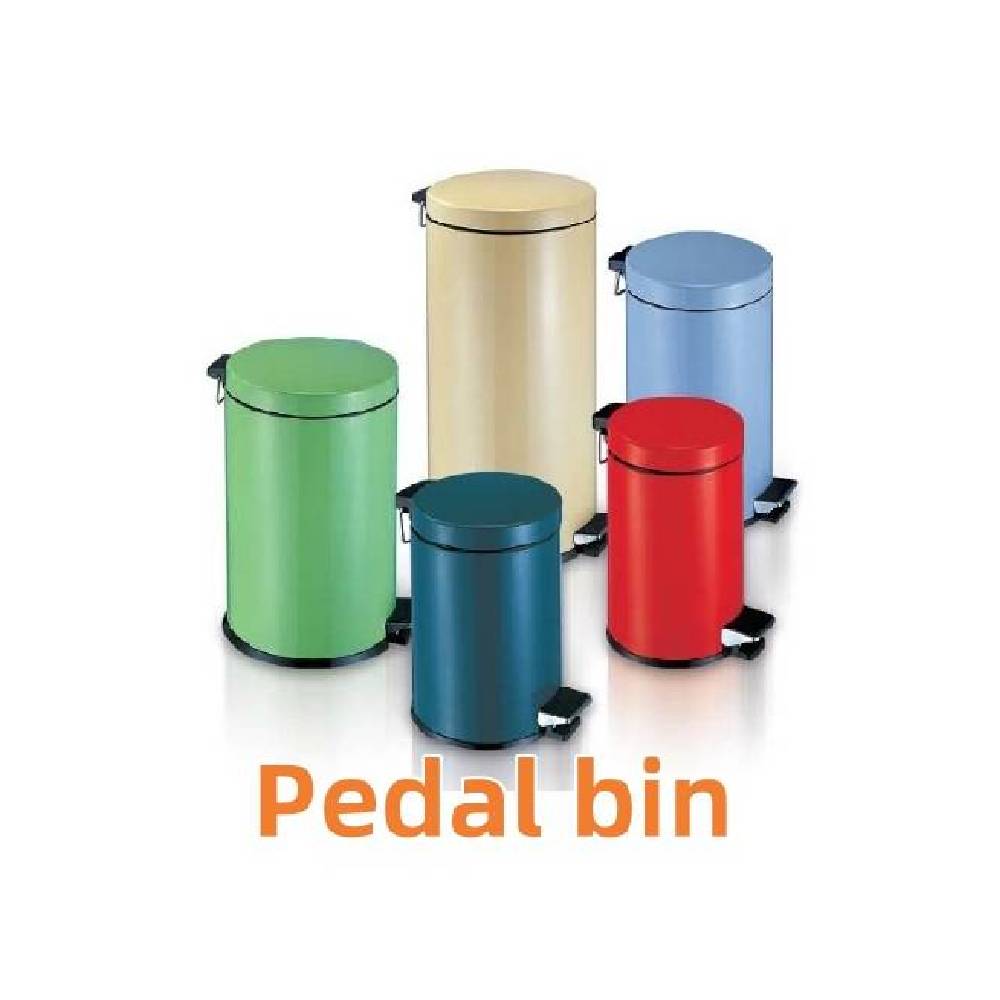
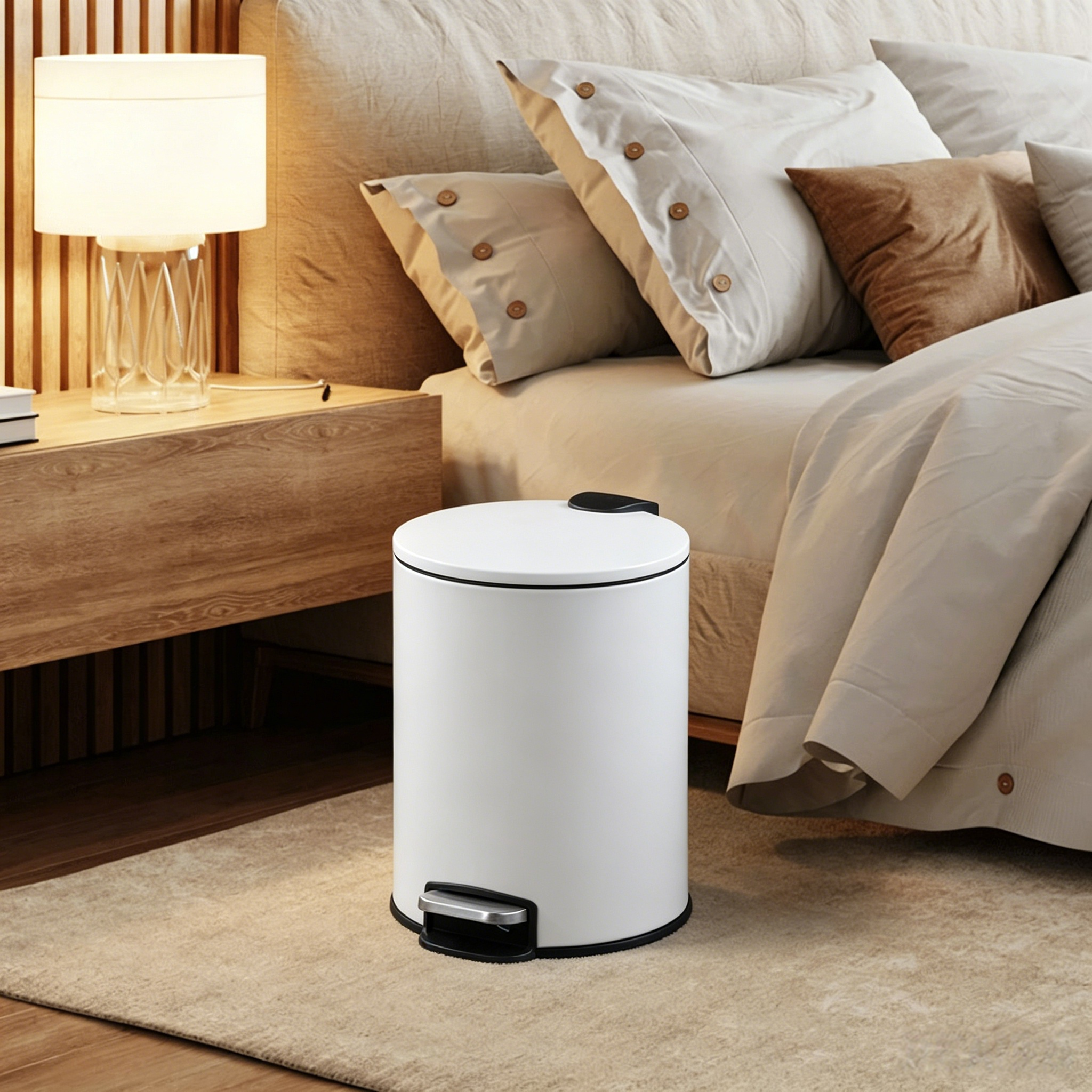
Pedal bins remain one of the most popular waste management products in retail stores, supermarkets, discount chains, online marketplaces, and household goods distribution channels. Despite the emergence of sensor-operated and smart waste bins, traditional pedal bins continue to dominate global sales due to their affordability, reliability, and ease of use.
For importers, wholesalers, and retail buyers, choosing the right pedal bin involves much more than selecting an attractive design. Factors such as material, capacity, durability, packaging, and supplier reliability all play a critical role in the success of a product program.
This guide explains how retail and wholesale buyers can select the right pedal bins for their markets while maintaining competitive pricing and stable supply.
Why Pedal Bins Remain a High-Volume Product
Pedal bins are considered an essential household item across nearly every market worldwide. They are commonly used in:
- Kitchens
- Bathrooms
- Offices
- Hotels
- Apartments
- Healthcare facilities
- Educational institutions
Unlike trend-driven products, pedal bins offer consistent year-round demand.
For retailers, pedal bins provide several advantages:
- Broad consumer appeal
- Stable sales volume
- Simple merchandising
- Low return rates
- Multiple size options for different customer segments
Because of these benefits, many importers continue to prioritize pedal bins as a core category within their homeware and storage product programs.
Understanding Your Target Market
Before selecting a pedal bin, buyers should first identify their target retail channel.
Discount Stores and Value Retailers
These customers typically focus on:
- Competitive pricing
- Functional designs
- Fast inventory turnover
Powder-coated steel pedal bins and economical stainless steel models are often the preferred options.
Supermarkets and Hypermarkets
Large retail chains usually seek products that offer:
- Attractive packaging
- Reliable quality
- Consistent dimensions
- Stable supply capacity
The most popular capacities are often 3L, 5L, 12L, and 20L.
Online Retailers
E-commerce sellers often prioritize:
- Compact packaging
- Damage-resistant construction
- Easy shipping
- Attractive product photography
Mail-order packaging performance becomes increasingly important.
Wholesalers and Distributors
Wholesale customers generally prefer suppliers that can provide:
- Multiple capacities
- Various finishes
- OEM services
- Flexible order quantities
A complete product line helps distributors serve different customer groups with a single supplier.
 Choosing the Right Capacity
Capacity is one of the most important purchasing considerations.
3L Pedal Bin
Ideal for:
- Bathrooms
- Bedrooms
- Hotel guest rooms
Advantages:
- Compact size
- Low shipping cost
- High retail turnover
5L Pedal Bin
One of the most popular sizes globally.
Suitable for:
- Bathrooms
- Home offices
- Small apartments
This size offers an excellent balance between functionality and affordability.
12L Pedal Bin
A versatile option widely used in:
- Kitchens
- Offices
- Commercial environments
Many retailers consider 12L bins a core SKU.
20L and 30L Pedal Bins
Designed for:
- Family kitchens
- Restaurants
- Commercial applications
Larger capacities often generate higher sales value per unit.
Selecting the Right Material
Material selection directly affects cost, appearance, durability, and market positioning.
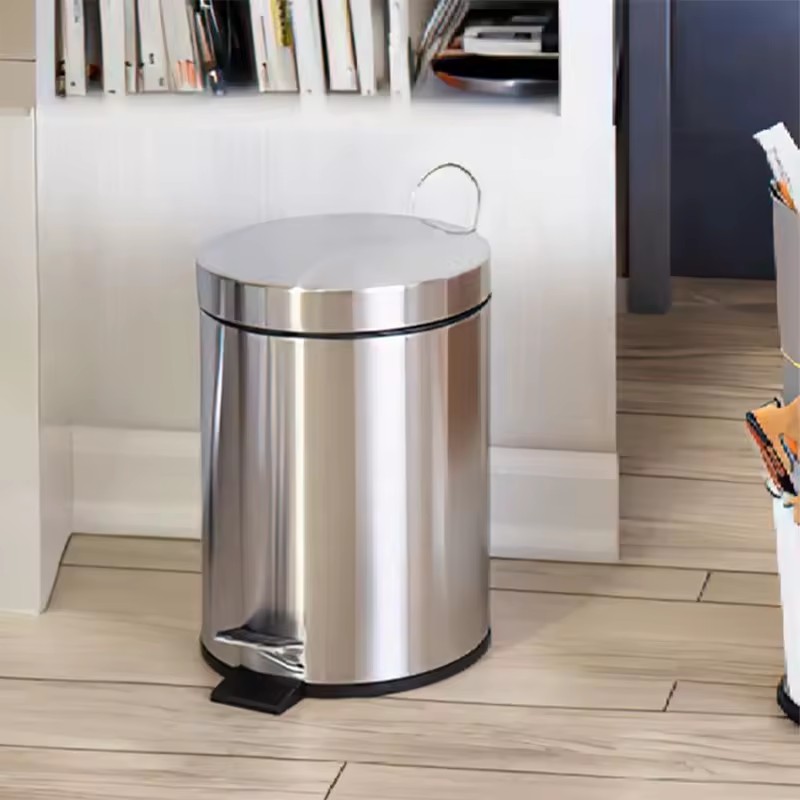
Stainless Steel Pedal Bins
Advantages:
- Modern appearance
- Corrosion resistance
- Premium market positioning
- Easy cleaning
Suitable for:
- Homeware retailers
- Kitchen specialists
- Mid-range and premium markets
Popular material grades is Stainless Steel 410
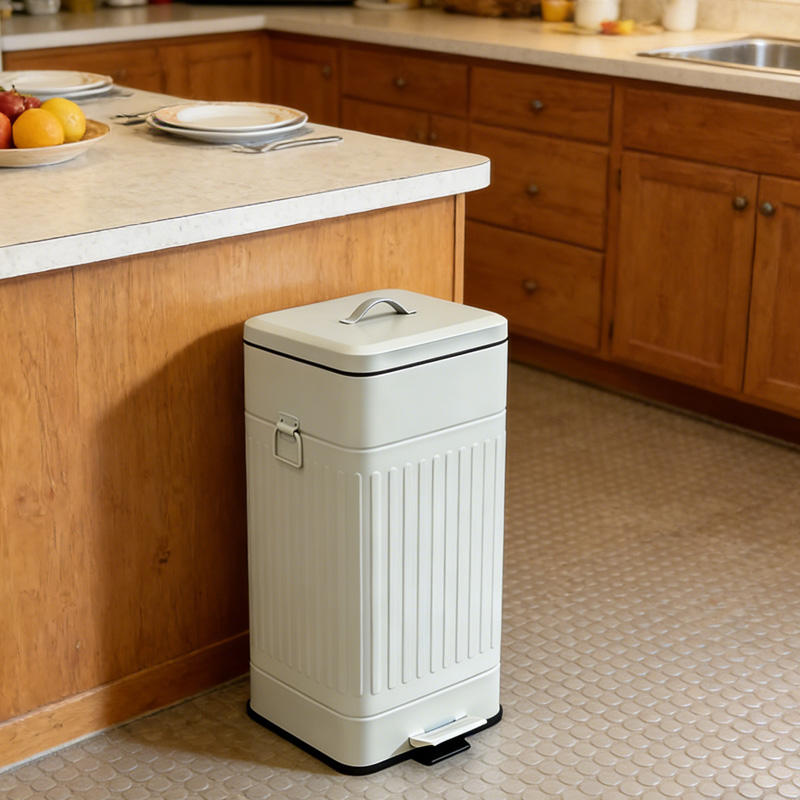
Powder-Coated Steel Pedal Bins
Advantages:
- Lower production cost
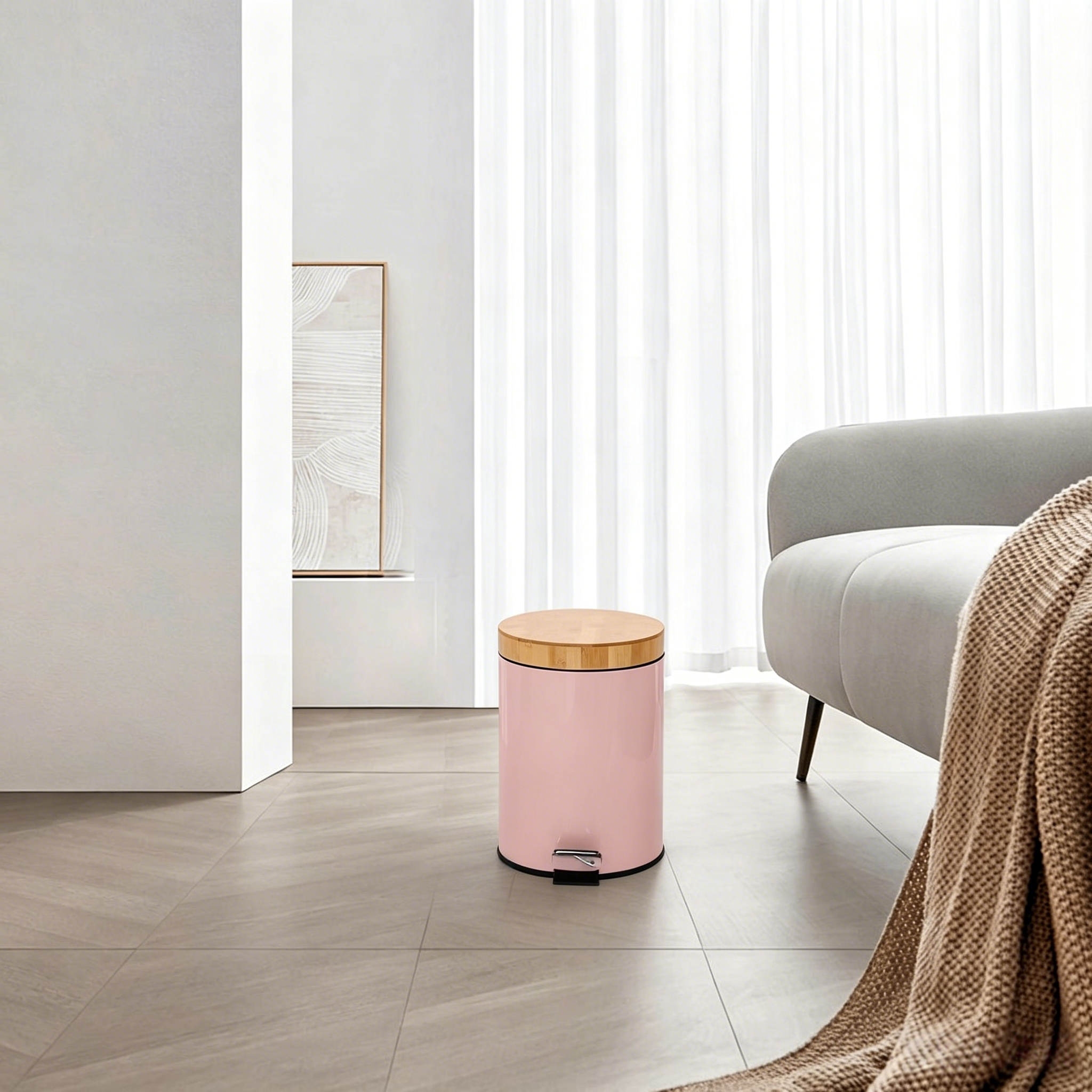
- Various color options
- Strong retail price competitiveness
Suitable for:
- Discount chains
- Promotional programs
- Value-oriented markets
For many high-volume retail programs, powder-coated steel remains one of the most cost-effective choices.
Durability Matters More Than Appearance
Many buyers focus heavily on appearance during sourcing, but long-term product performance is equally important.
Key areas to evaluate include:
Pedal Mechanism
The pedal should operate smoothly after repeated use.
A reliable mechanism improves customer satisfaction and reduces complaints.
Lid Operation
The lid should:
- Open smoothly
- Close properly
- Maintain alignment over time
Inner Bucket Design
A removable inner bucket provides:
- Easier cleaning
- Better hygiene
- Improved user convenience
Surface Finish
The finish should resist:
- Scratches
- Fingerprints
- Everyday wear
Durability is particularly important for products sold through large retail chains.
 Packaging Considerations for Retail Programs
Packaging can significantly affect logistics costs and product presentation.
Retail Packaging
Retail-ready packaging should include:
- Clear product images
- Capacity information
- Product dimensions
- Key selling points
Well-designed packaging helps increase shelf conversion rates.
Mail-Order Packaging
For e-commerce channels, packaging should protect the product during transportation.
Testing should focus on:
- Corner protection
- Compression resistance
- Drop resistance
Reducing shipping damage helps protect retailer ratings and reduce return costs.
 Container Optimization
Importers should also evaluate:
- Carton dimensions
- Container loading quantity
- Shipping efficiency
Even small packaging improvements can lead to significant freight savings.
Why Supplier Selection Is Critical
Choosing the right pedal bin manufacturer is just as important as selecting the product itself.
A reliable supplier should offer:
Stable Quality Control
Consistent quality helps maintain brand reputation and reduces after-sales issues.
Production Capacity
Retail programs often require:
- Large volume production
- Seasonal replenishment
- Flexible scheduling
Suppliers with stable manufacturing capacity are better equipped to support long-term growth.
Product Development Support
Many buyers eventually require:
- Custom colors
- Private labels
- Packaging modifications
An experienced manufacturer can support these requests efficiently.
Supply Chain Reliability
Timely delivery remains one of the most important factors for importers and retailers.
A dependable supplier helps reduce inventory risks and improves planning accuracy.
Cost Optimization Strategies for Large Retail Programs
Successful retail buyers often focus on total landed cost rather than unit price alone.
Methods for reducing overall costs include:
- Standardizing components across multiple sizes
- Optimizing packaging dimensions
- Increasing container utilization
- Consolidating purchases with one supplier
- Selecting cost-effective materials
These strategies can improve profitability without sacrificing product quality.
Future Trends in the Pedal Bin Market
While smart waste bins continue to attract attention, traditional pedal bins remain the dominant category in most retail environments.
Current market trends include:
- Matte finishes
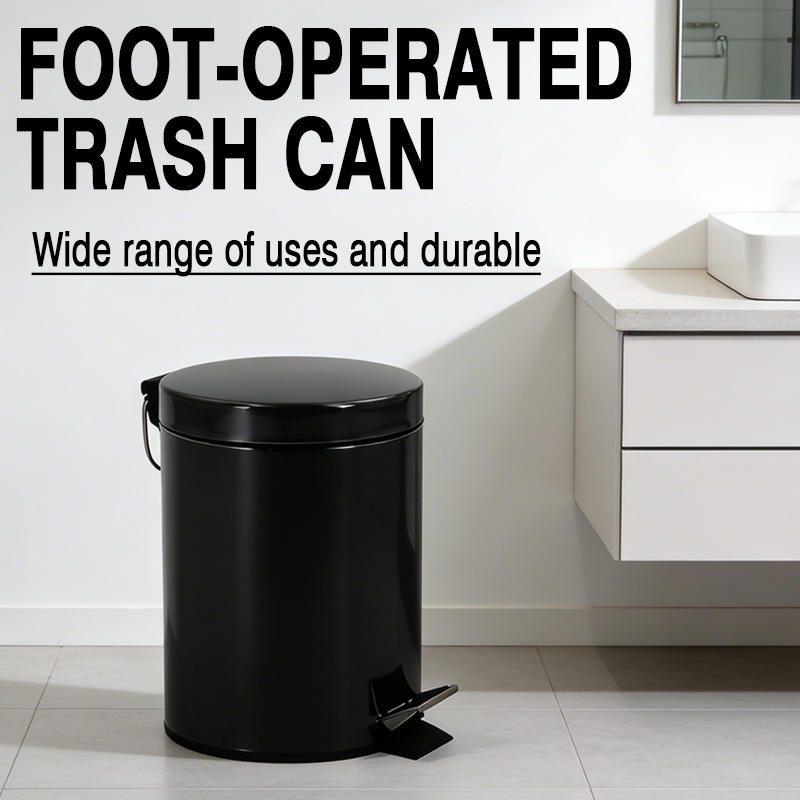
- Black powder-coated designs
- Fingerprint-resistant surfaces
- Sustainable packaging
- Space-saving shapes
Retail buyers should balance trend-driven features with proven high-volume products.
Conclusion
Choosing the right pedal bin for a retail or wholesale program requires careful consideration of capacity, material, durability, packaging, and supplier capability.
For most importers and retailers, the most successful products are not necessarily the most complex designs. Instead, they are reliable, competitively priced pedal bins that meet everyday consumer needs while supporting efficient logistics and stable supply.
By working with an experienced pedal bin manufacturer and focusing on practical product selection, buyers can build a profitable and sustainable waste bin program that performs consistently across multiple retail channels.
Sometimes, the biggest revolutions start in the most humble places. Even the trash can.